
Hollywood once dared to push boundaries in ways that would shock modern audiences. Between 1929 and 1934, studios produced films featuring unapologetic sexuality, graphic violence, and social commentary that challenged every convention. This era of pre-code Hollywood cinema gave us stories about adultery, drug use, and political corruption without the sanitizing filter that would soon follow.
Movies from this brief window feel startlingly modern. Characters spoke frankly about taboo subjects, women owned their sexuality, and filmmakers questioned authority with gleeful abandon. Then the censors arrived, and American cinema wouldn’t recover its audacity for decades.
What Made Pre-Code Hollywood Cinema So Revolutionary
Studios operated with remarkable freedom during this five-year stretch. The Motion Picture Production Code existed on paper since 1930, but enforcement was lax at best. Consequently, filmmakers pushed every imaginable boundary.
Barbara Stanwyck played a woman who sleeps her way to the top in Baby Face. Mae West delivered double entendres that left nothing to the imagination. James Cagney shoved a grapefruit into an actress’s face in The Public Enemy, and audiences ate it up.
Female characters drove these narratives with agency rarely seen in later Hollywood films. They pursued careers, sought pleasure, and made choices based on their own desires rather than societal expectations. Pre-code movies treated women as complex human beings instead of idealized objects.
The Social Context Behind the Freedom
America was reeling from the Great Depression. Audiences craved escapism, but they also wanted stories that reflected their struggles. Pre-code films delivered both.
Gangster pictures showed characters who broke the law to survive economic hardship. Musical numbers distracted from breadlines and unemployment. Meanwhile, sophisticated comedies let viewers fantasize about wealth and luxury they couldn’t afford.
Studios needed to fill seats during economically devastating times. As a result, they took creative risks that paid off at the box office. Shocking content became a selling point rather than a liability.

Censorship Changes Everything
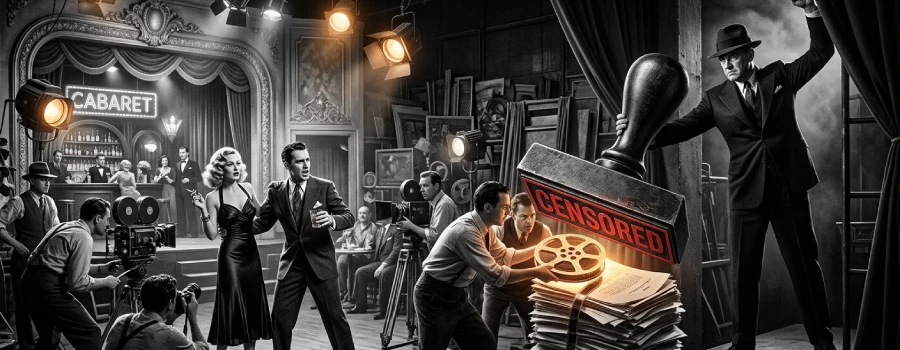
Religious groups and moral crusaders had been complaining about Hollywood content for years. In 1934, their pressure finally worked. Joseph Breen became the administrator of the Production Code Administration, and he took his job seriously.
Every script now required approval before filming. Breen and his team wielded absolute power over content. Movies could not show criminals profiting from crime, adultery going unpunished, or any suggestion of sexual perversion.
The transformation happened almost overnight. Films that had been greenlit suddenly required massive rewrites. Projects in production faced costly reshoots. Furthermore, studios knew that future films needed to conform from the earliest stages of development.
What Hollywood Lost Under the Code
Nuance became the first casualty. Complex moral questions got reduced to simplistic good-versus-evil narratives. Characters who had once existed in shades of gray now appeared in stark black and white.
Women particularly suffered under the new restrictions. Strong female characters gave way to saints and sinners with little in between. Sexual agency disappeared entirely, replaced by demure passivity or outright villainy.
Social commentary also took a hit. Films could no longer question authority figures or institutions with the same bite. Satire lost its teeth, and revolutionary ideas got watered down to bland respectability.
Standout Films from the Pre-Code Era
Pre-code Hollywood produced numerous masterpieces that remain shocking today. Red Dust featured Clark Gable and Jean Harlow in a steamy romance set on a rubber plantation. Their chemistry sizzles in ways that later censored remakes couldn’t match.
Freaks pushed boundaries in entirely different ways. Tod Browning cast actual circus performers with physical differences in a horror film that humanized characters other directors would exploit. Studios tried to bury the film after its release, and it wouldn’t receive proper recognition for decades.
Musical fans should seek out 42nd Street and Gold Diggers of 1933. Busby Berkeley’s elaborate production numbers dazzled audiences while the scripts delivered surprisingly cynical commentary about showbusiness and economic desperation.
Lesser-Known Gems Worth Discovering
Heroes for Sale follows a World War I veteran through morphine addiction, unemployment, and accusations of Communist sympathies. No studio would dare make something so politically charged just a year later.
The Sign of the Cross depicted Roman debauchery with gleeful excess. On the other hand, it also featured genuine religious sincerity, creating a bizarre tonal mix that somehow worked.
Ernst Lubitsch perfected the sophisticated comedy with Trouble in Paradise. Jewel thieves fall in love while pursuing their marks in a film that treats sexuality with adult sophistication.
The Technical Innovation of Pre-Code Movies
Hollywood was still mastering sound during this period. Early talkies often felt stagey and static, but filmmakers rapidly improved their craft. Pre-code cinema showcases this learning curve in fascinating ways.
Directors experimented with camera movement that silent films had perfected but early sound equipment made difficult. They discovered how to use dialogue naturalistically rather than as theatrical declamation. Moreover, they figured out how to integrate music and sound effects without overwhelming the story.
Editing techniques evolved rapidly during these years. Filmmakers learned when to cut and when to let scenes breathe. They developed visual language that would define Hollywood for generations.
Why Modern Audiences Should Care
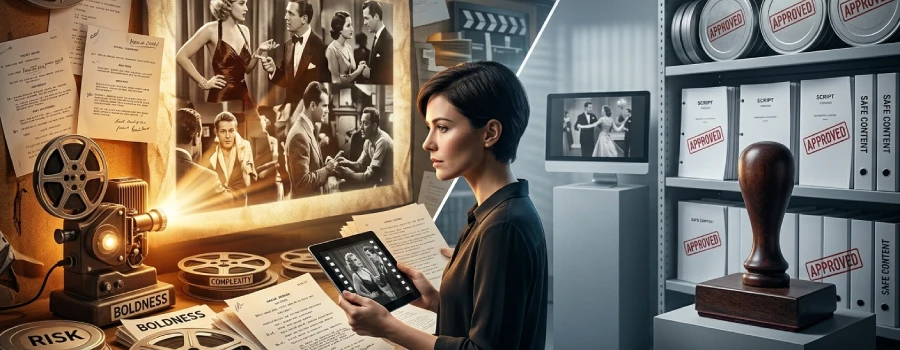
These films offer a fascinating counterpoint to assumptions about old Hollywood. Many viewers believe classic cinema was always conservative and sanitized. Pre-code movies prove otherwise.
Watching these films reveals how much Hollywood lost when censorship arrived. Stories became less complex, characters less interesting, and social commentary largely vanished. In addition, the comparison highlights how long it took for American cinema to recover its voice.
Contemporary filmmakers can learn from pre-code boldness. These movies took risks, trusted audiences with difficult subjects, and refused to talk down to viewers. They remind us that commercial cinema doesn’t require dumbing down content.
Finding These Films Today
Streaming services have made pre-code films more accessible than ever. Warner Archive and Criterion Channel regularly feature titles from this era. Physical media collectors can find excellent restorations on Blu-ray.
Some films remain difficult to locate due to rights issues or neglect. However, the situation improves yearly as more archives get digitized. Film festivals occasionally program pre-code retrospectives that offer rare big-screen opportunities.
Starting points matter less than just diving in. Pick a star you recognize or a genre you enjoy, then work backward to their pre-code output. You’ll quickly develop favorites and discover new appreciation for this revolutionary period.


Reclaiming a Radical Legacy
Pre-code Hollywood cinema deserves recognition as one of American film’s most daring periods. Studios took chances that modern corporations with billion-dollar franchises would never risk. Consequently, audiences got stories that felt alive, dangerous, and honest.
These films prove that commercial success and artistic integrity aren’t mutually exclusive. They show what happens when filmmakers trust viewers with complex ideas and mature themes. Most importantly, they remind us that Hollywood once believed audiences deserved better than sanitized fantasies.
Start exploring this forgotten era today. You’ll discover films that challenge assumptions about classic cinema while delivering entertainment that holds up remarkably well. The brilliance of pre-code Hollywood awaits anyone willing to look beyond the sanitized decades that followed.