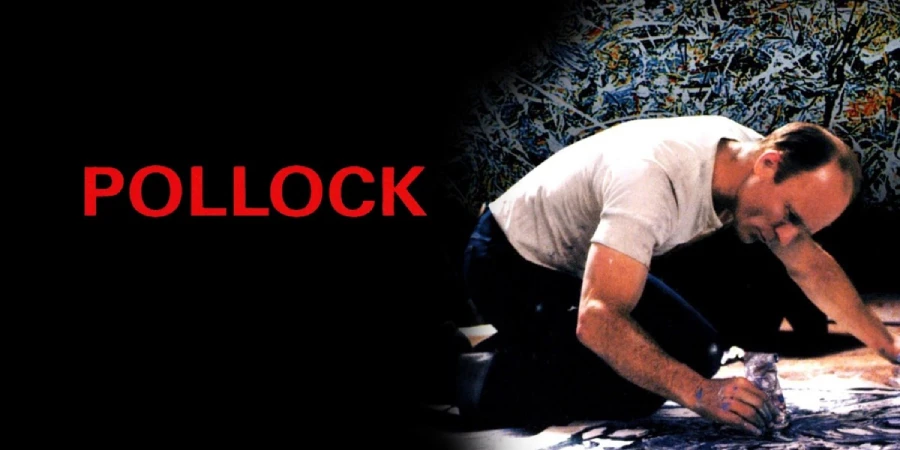

Ed Harris disappears into the manic, alcohol-soaked skin of a legendary painter who redefined modern art with a single drip. This visceral biopic captures the violent intersection of creative genius and self-destruction. Pollock pulses with a raw energy that mirrors the chaotic splatters on the canvas.
Detailed Summary
Life in the Shadows
Jackson Pollock struggles as an unknown artist in 1940s New York City. He lives with his brother in a cramped apartment while battling severe alcoholism. However, his life changes forever when he meets fellow artist Lee Krasner.
Lee recognizes his undeniable talent and dedicates her entire life to managing his career. Interestingly, she pushes her own artistic ambitions aside to ensure Jack reaches his full potential. They eventually marry and move to a quiet farmhouse in Springs, New York.
The Birth of Action Painting
Isolation in the country allows Jackson to focus on his craft without the distractions of the city. One afternoon, he accidentally drips paint onto a canvas and realizes the power of the technique. This moment births his famous drip painting style.
Wealthy patron Peggy Guggenheim takes notice of his radical new approach. Consequently, Pollock becomes a sensation in the art world and gains international fame. A famous photoshoot with Life magazine cements his status as a cultural icon.
The Downward Spiral
Fame brings immense pressure that Jackson cannot handle. He feels like a fraud and struggles to maintain his creative momentum during long periods of depression. Meanwhile, his drinking resurfaces with a terrifying intensity.
Lee tries to maintain order, but their marriage disintegrates under the weight of his infidelity and abuse. He begins a reckless affair with Ruth Kligman. Ultimately, his internal demons prove stronger than his artistic drive.
Movie Ending
Jackson spends his final days in a state of total emotional and physical collapse. He has stopped painting entirely and spends most of his time drinking at local bars. His relationship with Lee reaches a breaking point, leading her to flee to Europe for a temporary reprieve.
Ruth Kligman remains by his side, but she cannot provide the stability he desperately needs. On a dark night in 1956, a heavily intoxicated Jackson gets behind the wheel of his car with Ruth and her friend Edith Metzger. He drives with a suicidal fury that suggests he no longer cares about survival.
Pollock loses control of the vehicle and crashes into a grove of trees near his home. The impact kills him instantly and also claims the life of Edith. Ruth survives the wreck, but the world loses its most influential modern artist in an instant of senseless violence.
Are There Post-Credits Scenes?
This film does not feature any post-credits scenes. A somber silence follows the final tragic moments of the biography. Nevertheless, the credits provide important historical context regarding the legacy of the real individuals involved.
Type of Movie
This film is a biographical drama with a gritty, uncompromising tone. It avoids the polished tropes of the genre by focusing on the ugly realities of mental illness and addiction. Furthermore, the visual style mimics the frantic energy of the art it portrays.
Cast
- Ed Harris – Jackson Pollock
- Marcia Gay Harden – Lee Krasner
- Amy Madigan – Peggy Guggenheim
- Jennifer Connelly – Ruth Kligman
- Jeffrey Tambor – Clement Greenberg
- Bud Cort – Howard Putzel
- Val Kilmer – Willem de Kooning
Film Music and Composer
Jeff Beal composed the evocative score for the movie. He utilized a blend of jazz influences and orchestral arrangements to reflect the mid-century New York atmosphere. Notably, the music remains minimalist during the painting sequences to let the sounds of the studio take center stage.
Filming Locations
Production took place primarily in New York to maintain historical authenticity. The crew filmed at the actual Pollock-Krasner House in East Hampton. Because they used the real studio, the scuff marks and paint splatters on the floor belong to the actual Jackson Pollock.
Awards and Nominations
Marcia Gay Harden won the Academy Award for Best Supporting Actress for her powerful performance. Ed Harris also received a nomination for Best Actor for his portrayal of the title character.
Behind the Scenes Insights
- Ed Harris spent ten years developing this project because he felt a deep connection to the artist.
- The actor built a small studio on his property to practice the drip technique for months.
- He gained thirty pounds to accurately depict the physical decline of the painter in his final years.
- Filming lasted only 50 days due to the tight independent budget.
Inspirations and References
The screenplay draws heavily from the Pulitzer Prize-winning biography Jackson Pollock: An American Saga. Specifically, authors Steven Naifeh and Gregory White Smith provided the historical framework for the narrative. The film mirrors many of the specific anecdotes found in their extensively researched book.
Alternate Endings and Deleted Scenes
Ed Harris preferred a tight, focused narrative that stayed true to the historical record. Consequently, no significant alternate endings were filmed for the project. Some deleted footage exists showing more of Jackson’s early interactions with his brothers in the cramped New York apartment.
Book Adaptations and Differences
While the film remains remarkably faithful to the biography, it condenses certain timelines for dramatic effect. For instance, the movie portrays the meeting with Peggy Guggenheim as a more singular event than it was in reality. Despite these shifts, the emotional core of the book remains perfectly intact on screen.

Memorable Scenes and Quotes
Key Scenes
- The intense sequence where Jackson creates his first large-scale drip painting on the floor.
- A volatile Thanksgiving dinner where Jackson flips the entire table in a drunken rage.
- The quiet, haunting moment when Lee discovers Jackson has died in the car accident.
Iconic Quotes
- “You’re the one who needs the coat. You’re the one who’s cold.”
- “I am nature.”
- “He’s a goddamn genius, Lee.”
Easter Eggs and Hidden Details
- The paintings seen in the film were hand-painted by Ed Harris himself using Pollock’s methods.
- Original canvases were too expensive to rent, so the production created high-quality replicas.
- Val Kilmer makes a brief, uncredited appearance as fellow abstract expressionist Willem de Kooning.
Trivia
- Ed Harris actually learned to smoke exactly like Pollock did to enhance the realism.
- The director is the real-life husband of Amy Madigan, who plays Peggy Guggenheim.
- This movie marked the directorial debut for Ed Harris.
Why Watch?
Watch this film to witness a powerhouse performance that captures the agony of the creative process. It serves as a masterclass in acting and directing. Ultimately, the story provides an honest look at a man who changed art forever while losing himself.
Director’s Other Movies
- Appaloosa (2008)
Recommended Films for Fans
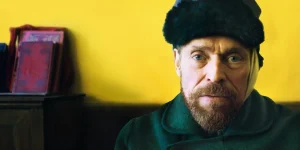
- At Eternity’s Gate (2018)
- Basquiat (1996)
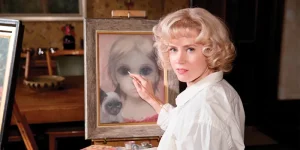
- Big Eyes (2014)
- Lust for Life (1956)
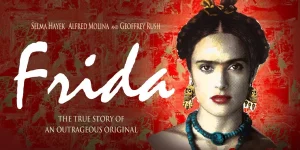
- Frida (2002)
- Mr. Turner (2014)