
Christopher Nolan doesn’t tell stories the way most directors do. He fractures time, shuffles sequences, and forces audiences to piece together narratives like a puzzle. This distinctive approach has become synonymous with his filmmaking identity. From Memento to Tenet, the Christopher Nolan style of non-linear storytelling has redefined how modern cinema handles temporal structure. His films challenge viewers to think actively rather than passively consume. Understanding how he manipulates time offers valuable insights into advanced cinematic techniques and narrative construction.
The Foundations of Nolan’s Non-Linear Storytelling Technique
Nolan’s fascination with fractured timelines stems from his early work. Following, his debut feature, already experimented with chronological disruption. Memento cemented his reputation by running two timelines simultaneously: one forward in black and white, another backward in color. This wasn’t gimmickry; the structure mirrored protagonist Leonard’s condition.
The Christopher Nolan style treats time as a narrative tool rather than a constraint. He uses temporal manipulation to enhance themes, deepen character psychology, and maintain tension. Moreover, his approach serves the story’s emotional core rather than existing purely for stylistic flourish.
Why Non-Linear Time Works for Complex Themes
Traditional linear storytelling can feel inadequate for certain concepts. Memory, guilt, and subjective experience don’t follow neat chronological paths. Consequently, Nolan’s fragmented approach mirrors how humans actually process significant events.
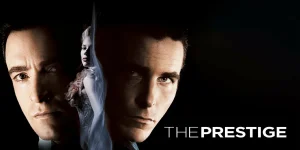
His films explore how we construct personal narratives from scattered memories. The Prestige withholds information by jumping between timeframes, creating mystery through strategic revelation. Dunkirk operates on three distinct timescales simultaneously: one week on land, one day at sea, one hour in the air.

Signature Techniques in Christopher Nolan’s Temporal Manipulation
Nolan employs specific methods to keep audiences oriented within complex structures. His craftsmanship ensures that confusion serves purpose rather than frustration. These techniques have influenced countless filmmakers attempting similar narrative experiments.
Visual and Audio Anchors
Each timeline receives distinct visual treatment. In Dunkirk, different color grading and cinematographic approaches distinguish the three temporal threads. Sound design also guides viewers through temporal shifts.
Hans Zimmer’s scores for Nolan often incorporate the Shepard tone, an auditory illusion of perpetually ascending pitch. This creates relentless tension that mirrors the films’ temporal manipulation. Furthermore, recurring musical motifs help audiences track which timeline they’re experiencing.
Strategic Information Withholding
Nolan reveals information precisely when it maximizes emotional or intellectual impact. He understands that delayed revelation creates more powerful moments than straightforward exposition. Interstellar withholds the bookcase connection until audiences have invested in both timelines.
Key techniques include:
- Repeating scenes from different perspectives to reveal new information
- Using dialogue callbacks that connect disparate timeframes
- Planting visual clues that gain significance later
- Structuring reveals to recontextualize earlier scenes
How Christopher Nolan’s Editing Style Serves Non-Linear Narratives
Editor Lee Smith has collaborated with Nolan on multiple films, perfecting transitions between timeframes. Their partnership demonstrates how editing transforms potentially confusing structures into coherent experiences. Smooth temporal shifts require meticulous planning in both shooting and post-production.
Nolan shoots with editing in mind. He provides clear entry and exit points for temporal transitions. Interestingly, he often uses action or movement to bridge different timeframes, maintaining visual momentum across the cut.
Cross-Cutting Between Timelines
Parallel editing between different time periods creates thematic connections. Inception famously cuts between dream layers operating at different speeds. The technique builds tension as audiences track multiple simultaneous countdowns.
Cross-cutting also reveals causality across time. Actions in one period directly impact another, even when shown non-sequentially. This approach rewards attentive viewers while maintaining accessibility for broader audiences.
Character Psychology Through Fractured Time
Non-linear structure becomes a window into character consciousness. Leonard in Memento experiences life in fragments due to his condition. The film’s structure puts audiences inside his subjective reality. Similarly, The Prestige reflects how obsession distorts memory and perception.
Nolan’s temporal manipulation often explores:
- How memory shapes identity and decision-making
- The unreliability of personal recollection
- Guilt’s ability to warp temporal perception
- How characters construct self-serving narratives from past events
This psychological depth elevates his films beyond technical exercises. The form serves character development in meaningful ways.
The Influence of Christopher Nolan’s Time Manipulation on Modern Cinema
Contemporary filmmakers have adopted similar techniques with varying success. Arrival uses non-linear time to explore language and perception. Westworld built entire seasons around temporal misdirection clearly inspired by Nolan’s approach.
However, imitators often miss what makes the Christopher Nolan style effective. His temporal structures always serve thematic purpose. Complexity emerges from necessity rather than desire to appear clever. In contrast, films that adopt non-linear storytelling purely for style often feel hollow.
Common Pitfalls in Copying Nolan’s Approach
Many films confuse audiences without payoff. Effective non-linear storytelling requires careful calibration. Viewers need enough information to stay engaged without being given everything immediately.
Successful temporal manipulation demands:
- Clear thematic justification for the non-linear structure
- Consistent internal logic governing temporal rules
- Visual or auditory cues helping audiences track timeframes
- Emotional payoff that justifies the complexity
Beyond Mere Technique: Philosophy and Time
Nolan’s obsession with time reflects deeper philosophical questions. His films examine determinism, free will, and whether we can escape our pasts. Tenet pushes these ideas to extremes with actual temporal inversion.
The Nolan filmmaking technique suggests that understanding ourselves requires examining events from multiple temporal perspectives. Linear causality provides incomplete pictures of complex situations. As a result, his narratives argue for embracing complexity rather than oversimplifying.



What Aspiring Filmmakers Can Learn From This Approach
You don’t need blockbuster budgets to experiment with temporal structure. Memento cost under $5 million yet revolutionized narrative technique. The key lies in understanding why you’re manipulating time rather than doing it for novelty.
Start by asking whether linear storytelling best serves your narrative. If themes involve memory, mystery, or subjective experience, non-linear approaches might enhance them. Test different structures to find what maximizes emotional impact.
Practical steps include mapping your timeline on paper before shooting. Identify clear visual or auditory markers distinguishing different periods. Most importantly, ensure every temporal shift serves character or theme rather than existing purely for cleverness.
The Lasting Impact on Cinematic Language
Nolan hasn’t just created memorable films. He’s expanded cinema’s vocabulary for handling time. Audiences now accept complex temporal structures that would have confused viewers decades ago. This evolution allows filmmakers greater freedom in narrative construction.
His influence extends beyond Hollywood into international cinema and streaming series. The Christopher Nolan style has become part of the cultural lexicon, referenced and studied in film schools worldwide. Future directors will continue building on the foundation he’s established.
Next time you watch a Nolan film, pay attention to how he signals temporal shifts. Notice the careful construction beneath apparent complexity. Understanding these techniques will deepen your appreciation for his craftsmanship and improve your own critical viewing skills across all cinema.