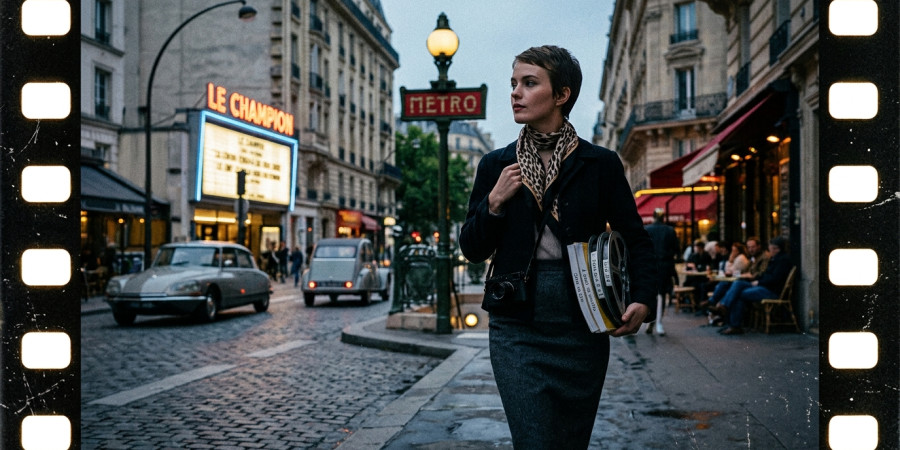

French cinema changed forever between 1958 and 1964. A group of young critics turned filmmakers rewrote the rules of moviemaking, creating what we now call the French New Wave. Their rebellious approach to narrative, visual style, and production methods influenced generations of directors worldwide. These films challenged Hollywood conventions and proved that personal vision mattered more than big budgets.
If you’re ready to understand this revolutionary movement, these ten essential films will guide you through the creative explosion that redefined cinema.
What Made the French New Wave Revolutionary
The Nouvelle Vague emerged from a specific cultural moment. Young critics writing for Cahiers du Cinéma believed that directors should be authors of their films. They rejected the polished studio productions dominating French cinema at the time.
Instead, these filmmakers embraced location shooting, natural lighting, and handheld cameras. Jump cuts, direct address to camera, and improvised dialogue became their signatures. Moreover, they drew inspiration from American B-movies, Italian neorealism, and literary modernism.
The Essential Films That Defined a Movement
The 400 Blows (1959)
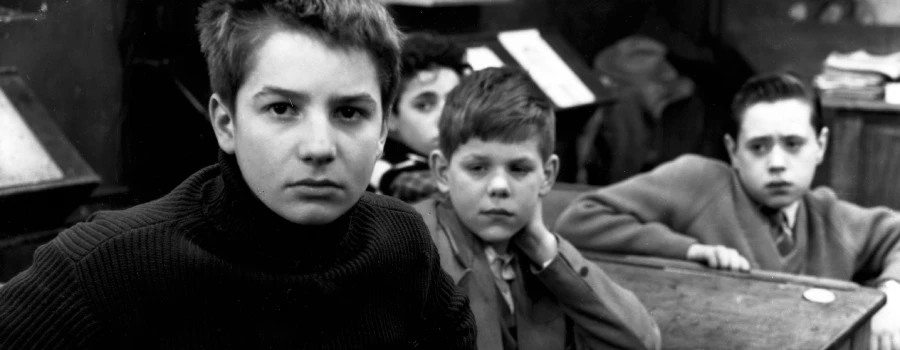
François Truffaut’s semi-autobiographical debut introduced audiences to Antoine Doinel, a troubled Parisian schoolboy. The film captured childhood with unprecedented honesty and emotional depth. Truffaut’s compassionate lens transformed a simple coming-of-age story into something profound.
Cinematographer Henri Decaë shot extensively on Paris streets, giving the film an immediate, documentary feel. That famous final freeze frame became one of cinema’s most iconic images.
Breathless (1960)
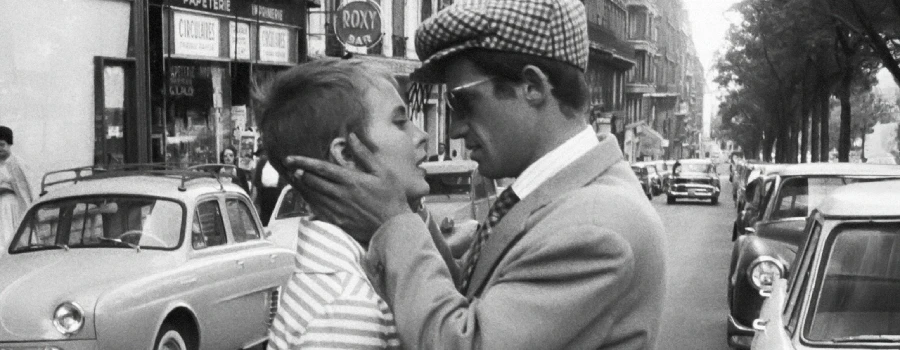
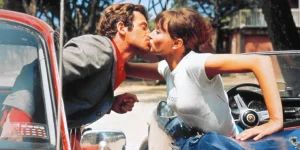
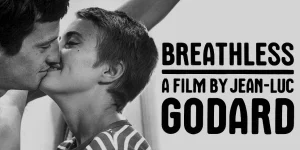
Jean-Luc Godard’s À bout de souffle remains perhaps the most influential French New Wave film ever made. Jean-Paul Belmondo plays a small-time criminal modeling himself after Humphrey Bogart. Jean Seberg portrays an American student caught in his chaotic world.
Godard’s revolutionary editing techniques shattered conventional continuity. Jump cuts propelled the narrative forward with kinetic energy that felt completely fresh. The handheld camerawork and natural light photography set a new standard for independent cinema.
Cleo from 5 to 7 (1962)
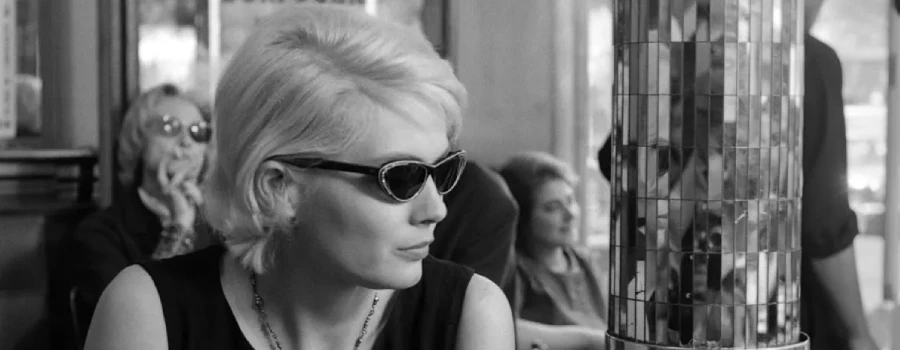
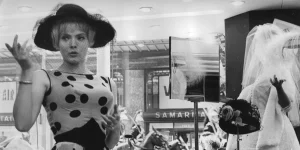
Agnès Varda’s masterpiece unfolds in real time across two hours in a woman’s life. Cléo awaits medical test results that might confirm a cancer diagnosis. Varda transforms this simple premise into a meditation on mortality, vanity, and connection.
The film’s structure divides into chapters, each exploring different emotional states. Consequently, we experience Cléo’s transformation from a shallow pop singer to someone confronting genuine existential questions.
Jules and Jim (1962)
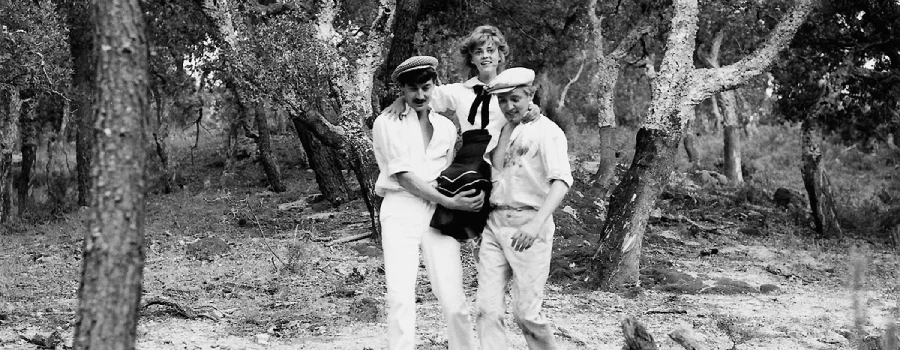
Truffaut returned with this bittersweet love triangle spanning decades. Two friends fall for the same free-spirited woman, creating an unconventional relationship that defies social norms. Jeanne Moreau delivers an unforgettable performance as Catherine.
Truffaut employed techniques that became New Wave cinema hallmarks:
- Freeze frames punctuating emotional moments
- Voice-over narration providing literary context
- Rapid pacing through elliptical editing
- Seamless transitions across years
Hiroshima Mon Amour (1959)
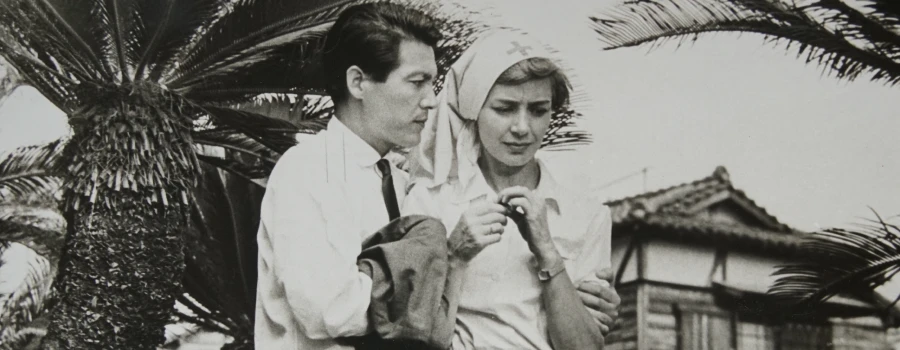
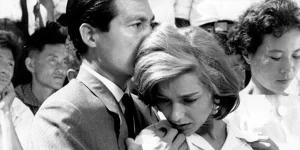
Alain Resnais collaborated with novelist Marguerite Duras on this meditation about memory and trauma. A French actress and Japanese architect conduct an affair in Hiroshima. Their personal histories intertwine with collective historical memory of World War II.
Resnais pioneered non-linear narrative structures that influenced art cinema globally. His editing creates complex temporal layers, moving fluidly between past and present.
Shoot the Piano Player (1960)
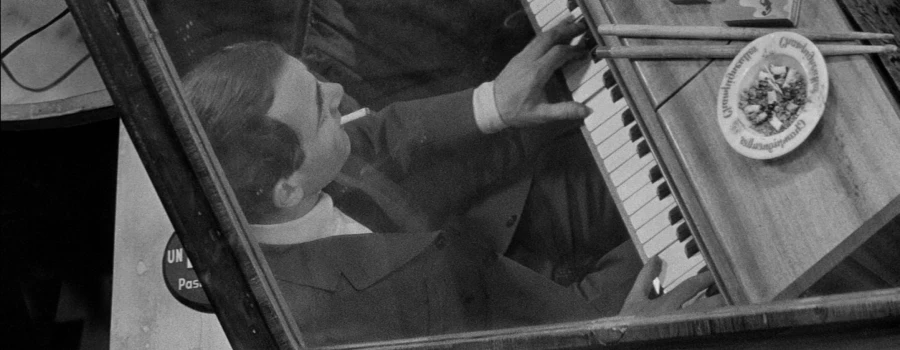
Truffaut adapted an American pulp novel into something uniquely French. Charles Aznavour plays a former concert pianist now working in a dive bar. The film genre-hops between noir, comedy, romance, and tragedy.
Truffaut deliberately mixed tones that traditional filmmaking kept separate. This playful approach to genre conventions became a French New Wave trademark.
Contempt (1963)
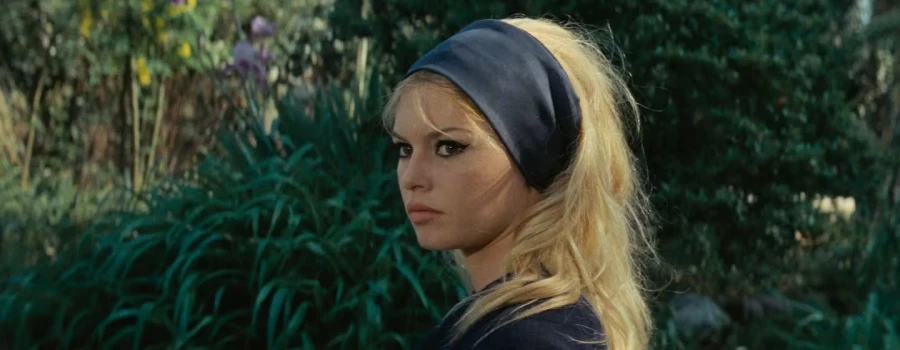
Godard’s most visually sumptuous film explores the collapse of a marriage against the backdrop of a troubled film production. Brigitte Bardot and Michel Piccoli play the couple. Fritz Lang appears as himself, directing an adaptation of The Odyssey.
The film functions as both relationship drama and metacinematic commentary. Godard examines how commercial pressures compromise artistic integrity, a theme that resonated with the movement’s ideals.
The Umbrellas of Cherbourg (1964)
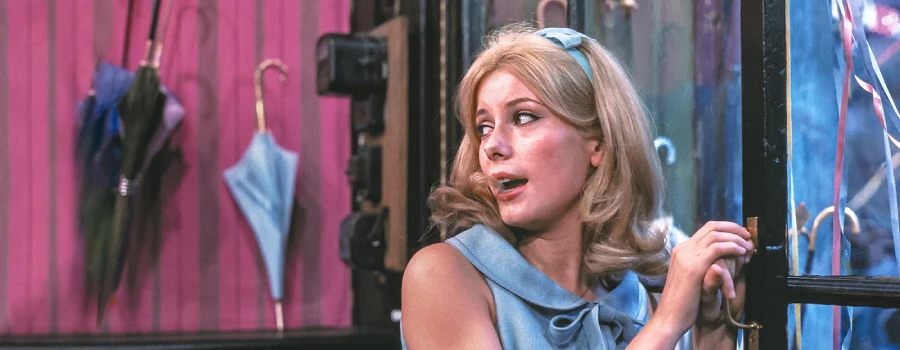
Jacques Demy created something unprecedented: a musical where every line is sung. Catherine Deneuve stars as a young woman whose romance faces separation when her lover goes to war. Michel Legrand’s score became instantly iconic.
Demy’s use of bold color and artificial sets contrasted with the naturalistic approach of his contemporaries. However, his emotional honesty and rejection of Hollywood musical conventions aligned perfectly with New Wave aesthetics.
Pierrot le Fou (1965)
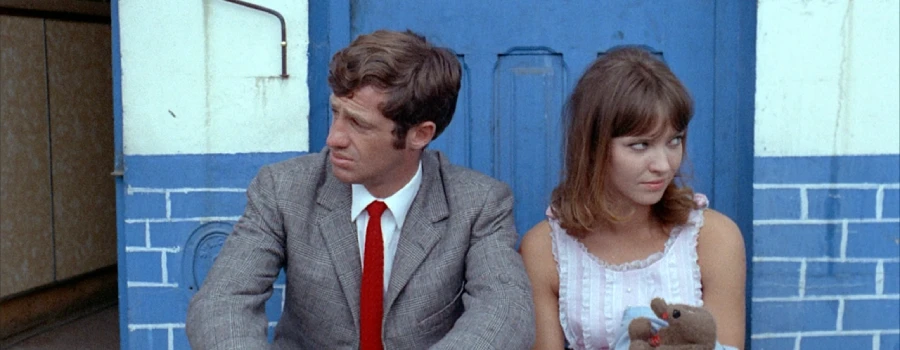
Godard pushed his experimentation further with this anarchic road movie. Jean-Paul Belmondo plays a man who abandons his bourgeois life for a doomed romance. Anna Karina co-stars in their final collaboration.
The film breaks every rule imaginable:
- Characters address the camera directly
- Primary colors dominate the visual palette
- Narrative coherence takes a backseat to emotional moments
- Literary and artistic references pepper the dialogue
Last Year at Marienbad (1961)
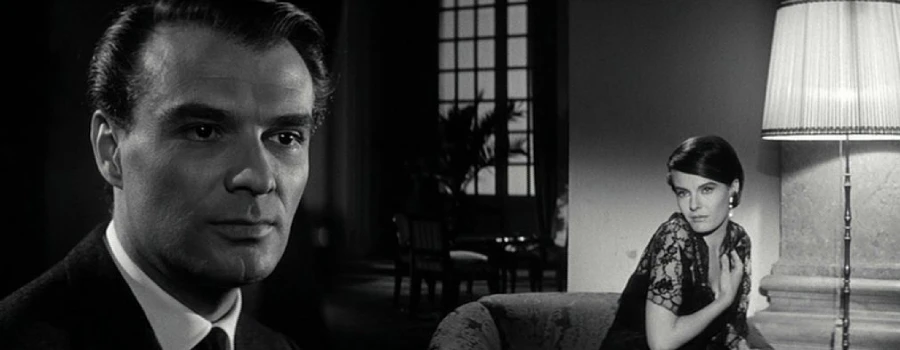
Resnais and novelist Alain Robbe-Grillet created cinema’s most enigmatic puzzle. Three characters interact at a baroque resort, but their relationships remain deliberately ambiguous. Did they meet the previous year, or is the narrator inventing everything?
The film abandons conventional plot entirely. Instead, it offers a hypnotic exploration of memory, desire, and persuasion through stunning black-and-white cinematography.
The Lasting Impact on Cinema
These French New Wave directors proved that personal filmmaking could succeed artistically and commercially. Their influence extends far beyond France. American directors like Martin Scorsese, Brian De Palma, and Quentin Tarantino acknowledge this debt openly.
Independent cinema worldwide adopted their production methods. Low budgets and small crews became assets rather than limitations. The auteur theory they championed still shapes how we discuss and evaluate films today.
Start Your New Wave Journey Today
These ten films represent entry points into a rich cinematic tradition. Each one offers something unique while embodying the movement’s revolutionary spirit. You don’t need to watch them chronologically; let your curiosity guide you.
Start with Breathless or The 400 Blows if you’re new to the French New Wave. Both films remain accessible while showcasing the movement’s innovations. From there, explore based on which themes or directors resonate most strongly.
These films changed cinema forever. They’ll change how you watch movies too. Pick one tonight and discover why the Nouvelle Vague still matters decades later.