
Close your eyes and imagine Jaws without those two iconic notes. Picture Star Wars stripped of its triumphant brass fanfare. Suddenly, those films feel hollow. Film score composers are the invisible architects behind cinema’s most powerful emotional moments, yet they rarely get the spotlight they deserve. This post changes that. We are diving into what makes these musical visionaries tick, spotlighting the legends who shaped the craft, and giving you a deeper appreciation for the scores you already love. Whether you are a casual moviegoer or a dedicated cinephile, understanding the work of movie score composers will transform how you experience film forever.
Why Film Score Composers Are the Unsung Heroes of Cinema
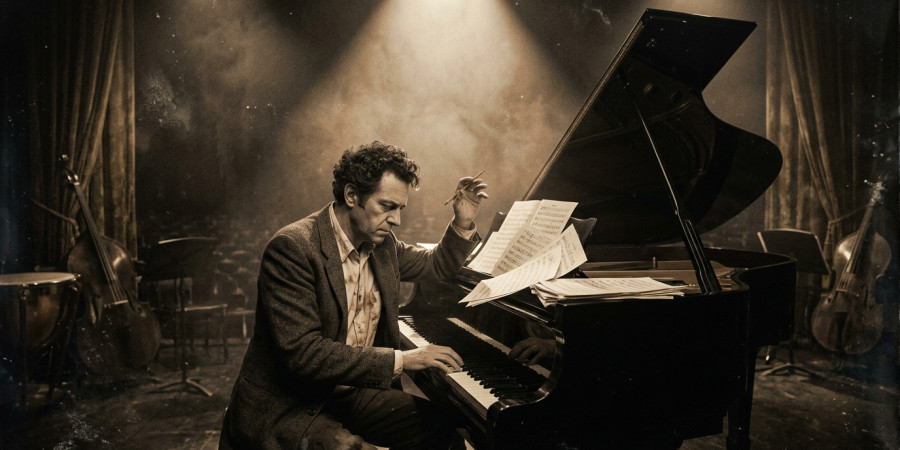
Most viewers leave a theater humming a melody they cannot name. That melody was crafted deliberately, sometimes over months, to guide exactly what they felt during the film. Film score composers operate at the intersection of psychology and artistry.
A great score does not just accompany a scene; it reframes it entirely. Composers manipulate tempo, instrumentation, and harmony to tell audiences how to feel before a single word of dialogue lands. In contrast, a weak or mismatched score can undermine even the strongest performances on screen.
The Emotional Architecture of a Film Score
Composing for film is fundamentally different from writing concert music. Every cue must serve the story first, and the composer’s ego must come second. Moreover, composers often work against brutal deadlines, sometimes receiving a locked cut of a film just weeks before release.
Key emotional tools that cinematic composers rely on include:
- Leitmotifs: recurring musical themes tied to specific characters or ideas
- Dynamic contrast: shifting from silence to full orchestral swells to maximize impact
- Instrumentation choices: selecting unusual instruments to evoke specific cultural or emotional tones
- Tempo manipulation: speeding up or slowing down rhythm to mirror on-screen tension
- Silence: knowing when not to play a single note, which can be just as powerful

Legendary Film Score Composers Who Defined the Art Form
Certain names appear again and again when cinephiles discuss the greatest film music composers in history. Their work does not just support films; it defines entire eras of cinema.
John Williams: The Master of the Orchestral Score
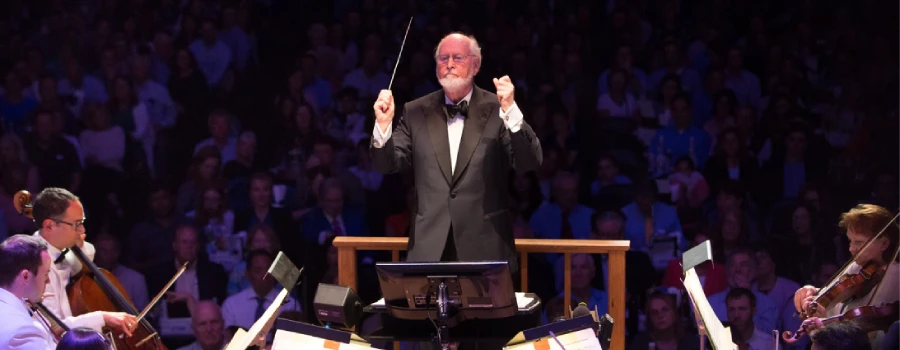
John Williams is arguably the most recognizable name in film scoring. His collaborations with Steven Spielberg and George Lucas produced some of the most beloved orchestral scores ever written. Furthermore, his thematic approach, building entire films around memorable leitmotifs, set a gold standard that younger composers still study today.
His fingerprints are on an extraordinary range of cinema:
- Jaws
- Star Wars
- Schindler’s List
- E.T. the Extra-Terrestrial
- Indiana Jones and the Raiders of the Lost Ark
Ennio Morricone: Poetry in Sound
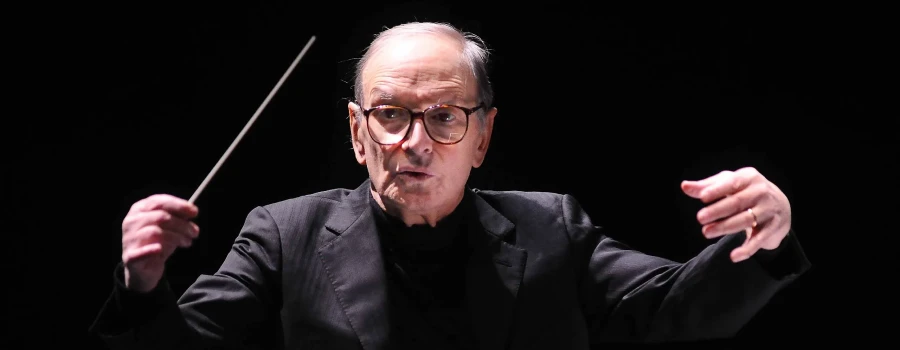
Ennio Morricone brought an experimental fearlessness to film score composition that few have matched. He blended orchestral writing with whistling, choral vocals, and unconventional sound design to create scores that felt like standalone works of art. Consequently, his music for Sergio Leone’s Spaghetti Westerns became as iconic as the films themselves.
His legacy stretches across decades and genres, cementing him as one of the most versatile composers for film who ever lived.
Bernard Herrmann: The Architect of Tension
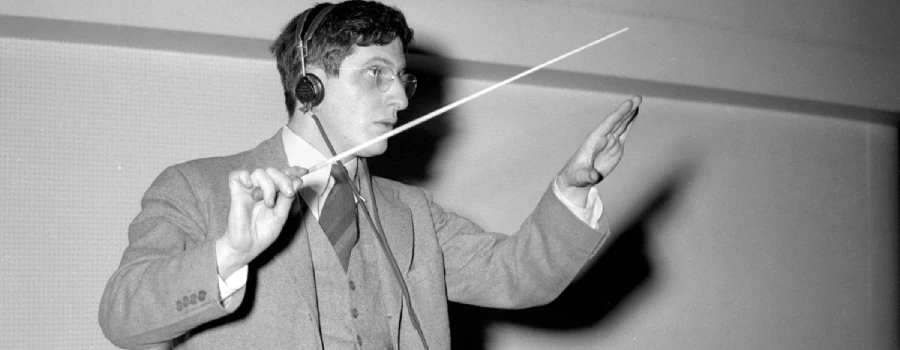
Bernard Herrmann understood suspense better than almost anyone in Hollywood history. His collaboration with Alfred Hitchcock produced some of cinema’s most psychologically gripping scores. Notably, the shrieking strings in Psycho remain a masterclass in how music can manufacture pure dread.
Hans Zimmer: The Modern Innovator
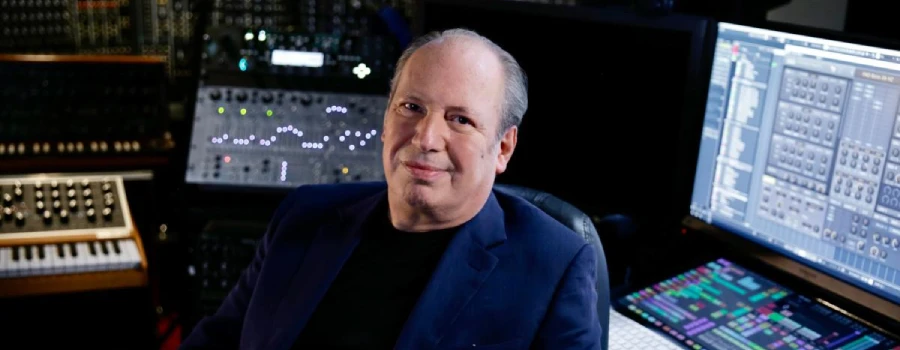
Hans Zimmer redefined what a contemporary film score could sound like. He merged electronic textures with orchestral writing in ways that felt genuinely new. His work on films like Inception, Interstellar, and Gladiator pushed the boundaries of modern film scoring into bold, immersive territory.
How Great Film Score Composers Approach Their Craft
Understanding the creative process behind award-winning film scores gives you a richer lens for appreciating what you hear. Most composers follow a recognizable workflow, even if their individual styles vary wildly.
A typical process looks something like this:
- Spotting sessions: the composer and director watch the film together and identify where music is needed
- Temp tracks: directors often use placeholder music, which composers must match in mood while creating something original
- Theme development: building core musical ideas that will repeat and evolve across the film
- Orchestration: deciding which instruments carry each moment and how they interact
- Recording and mixing: capturing live performances or programming digital instruments, then blending them into the final cut
One challenge that shapes film scoring careers is the temp track problem. Directors grow attached to placeholder music, which can push composers toward imitation rather than innovation. However, the best composers use spotting sessions to argue passionately for their original ideas.
The Rising Generation of Film Score Composers
A new wave of film score composers is expanding what cinematic music can be. Artists like Jonny Greenwood, Mica Levi, and Nicholas Britell bring backgrounds in experimental and indie music that produce scores unlike anything classical Hollywood training ever generated. As a result, today’s film scores feel more diverse and sonically adventurous than ever before.
These composers tend to prioritize:
- Unconventional timbres and textures over traditional orchestral warmth
- Collaboration with directors who treat music as a narrative tool, not a decoration
- Genre-blending, mixing classical, electronic, jazz, and world music elements
Tips for Listening to Film Scores Like a Cinephile
You can train yourself to hear film music composition more actively. It genuinely changes the way you watch movies. Here are some practical starting points:
- Watch a scene twice: once normally, once with your eyes closed focusing only on the score
- Listen to a film soundtrack album away from the movie to hear the music as its own entity
- Identify leitmotifs by noting which melodies return and what they accompany on screen
- Compare the temp track (when available in director commentaries) with the finished score
- Read interviews with film score composers to understand the creative decisions behind specific cues
Similarly, following music-focused film criticism helps you build a vocabulary for discussing scores. Publications and podcasts dedicated to cinematic music can sharpen your ear faster than almost anything else.
Hear the Architecture: Your Next Steps as a Film Music Fan
Great film score composers pour their whole craft into every cue, shaping your emotions with tools you rarely notice consciously. From Williams and Herrmann to Zimmer and Greenwood, these artists deserve recognition as true co-authors of the films we love. Understanding their process, their techniques, and their history makes every viewing richer.
Start with a composer whose work already moves you. Pull up their discography, read about their methods, and revisit the films with fresh ears. Your next favorite film might be one you have already seen, just waiting to be heard properly.