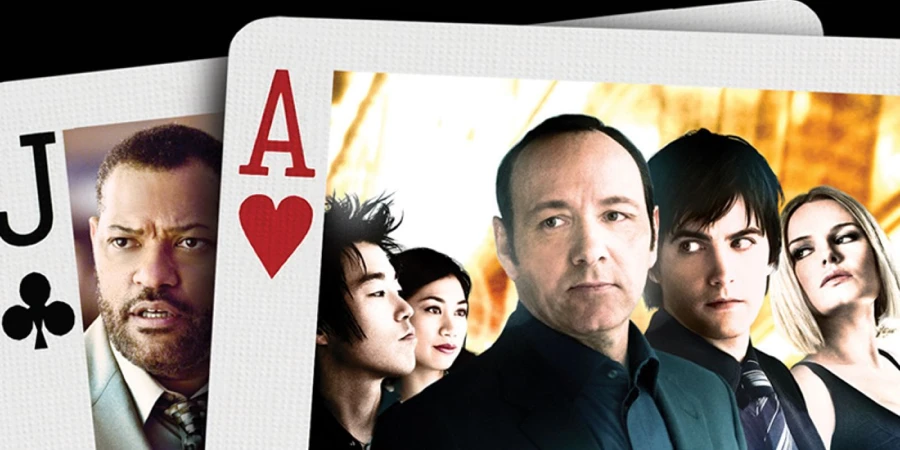

21 (2008) is a based-on-a-true-story gambling drama that dives into the high-risk, high-reward world of card counting in Las Vegas. Directed by Robert Luketic, the film blends mathematics, ambition, moral conflict, and casino glamour into a fast-paced mainstream thriller.
Detailed Summary
A Brilliant Student with Big Dreams
Ben Campbell is a shy but exceptionally gifted MIT student who dreams of attending Harvard Medical School. His problem is painfully simple: money. Despite top grades, his financial situation makes his future uncertain. This early part of the film clearly establishes the emotional hook — talent alone is not enough in a system driven by money.
The Invitation to an Illegal Advantage
Ben catches the attention of Professor Micky Rosa, who secretly runs a group of elite students trained in blackjack card counting. Micky invites Ben to join the team, promising fast money and a chance to pay for his education. At first, Ben refuses, fearing the risks, but desperation eventually pushes him to accept.
Training the MIT Blackjack Team
The team undergoes intense training, learning how to track cards, signal each other, and avoid detection. Each member adopts a casino persona — rich foreigner, reckless gambler, or quiet observer — showing how much psychology matters in gambling. The film emphasizes that card counting is not illegal, but casinos will do anything to stop it.
Las Vegas: Money, Ego, and Addiction
Once the team starts winning big in Las Vegas, the tone shifts. Ben, initially cautious, becomes addicted to the lifestyle — luxury hotels, designer clothes, and the thrill of winning. His academic priorities fade, and greed slowly replaces necessity. Meanwhile, the casino enforcer Cole Williams begins tracking their movements, adding a constant sense of danger.
Cracks Within the Team
As Ben grows more confident (and arrogant), tension builds between him and Micky. Ben starts breaking rules, hiding winnings, and making solo decisions. Trust erodes, and the once-disciplined team begins to unravel. This section highlights one of the film’s core themes: intelligence without discipline leads to self-destruction.

Movie Ending
In the final act, everything collapses. Ben returns to Las Vegas for one last attempt to secure enough money for his future. However, Micky betrays him by tipping off casino security, hoping to save himself. Ben is beaten, robbed of his winnings, and left humiliated — seemingly losing everything.
But the twist comes afterward.
Ben reveals that he anticipated Micky’s betrayal. He had secretly switched the team’s real winnings with casino chips, meaning the money was never lost. Ben later exposes Micky’s illegal operation to MIT authorities, leading to Micky’s dismissal.
The film ends with Ben successfully attending Harvard Medical School, using a personal essay about his blackjack experience to secure admission. The conclusion reinforces the idea that true victory isn’t money — it’s knowing when to walk away and reclaim control.
Are There Post-Credits Scenes?
No. 21 does not include any post-credits or mid-credits scenes. Once the story ends, it ends cleanly, with no sequel setup.
Type of Movie
21 is a crime drama and thriller with strong elements of psychological tension and biographical storytelling, blending real-life inspiration with Hollywood-style pacing.
Cast
- Jim Sturgess as Ben Campbell
- Kevin Spacey as Professor Micky Rosa
- Kate Bosworth as Jill Taylor
- Laurence Fishburne as Cole Williams
- Aaron Yoo as Choi
- Liza Lapira as Kianna
- Jacob Pitts as Fisher
Film Music and Composer
The score was composed by David Sardy, mixing electronic beats with orchestral tension. The soundtrack also includes contemporary rock and electronic tracks that emphasize the fast-paced, seductive nature of Las Vegas life.


Filming Locations
Although set primarily in Las Vegas and Boston, much of the movie was filmed in Atlantic City and various locations in Massachusetts. Atlantic City stood in for Las Vegas due to filming restrictions and costs. This choice works effectively, as the casinos still deliver the required visual scale and atmosphere of excess.
Awards and Nominations
The film did not receive major award recognition but performed strongly at the box office. It gained attention for its commercial success rather than critical acclaim, especially among younger audiences and fans of gambling-themed movies.
Behind the Scenes Insights
- The real MIT Blackjack Team publicly criticized the film for exaggerating drama and inaccuracies.
- Kevin Spacey also served as a producer on the film.
- Jim Sturgess trained with real blackjack players to learn authentic table behavior.
- The movie simplifies card counting to make it more accessible to general audiences.
- The real-life Ben Mezrich (author of the book) approved the film’s dramatic liberties.
Inspirations and References
The film is based on the book “Bringing Down the House” by Ben Mezrich, which itself is inspired by true events involving MIT students who beat casinos using card counting techniques.
Alternate Endings and Deleted Scenes
Some deleted scenes reportedly explored Ben’s academic struggles in more depth and showed harsher consequences for certain team members. No alternate ending was officially filmed, but early drafts had a darker conclusion where Ben permanently loses his moral compass.
Book Adaptations and Differences
The book is far more detailed and less romanticized. Key differences include:
- Characters in the book are more morally ambiguous.
- The real team was more diverse and operated over many years.
- The film simplifies timelines and combines multiple real people into single characters.
These changes were made to create a tighter, more emotionally engaging narrative.



Memorable Scenes and Quotes
Key Scenes
- Ben’s first successful high-stakes blackjack hand
- The team’s synchronized signals at the table
- Ben being identified and attacked by casino security
- The final reveal of Ben’s hidden winnings
Iconic Quotes
- “The only way to beat the casino is not to play the game the way they expect.”
- “You don’t count cards because you want to. You count cards because you have to.”
Easter Eggs and Hidden Details
- MIT classroom numbers subtly reference famous mathematical constants.
- Blackjack table layouts reflect real casino anti-counting strategies.
- The team’s hand signals are adapted from real-life systems.
- Casino surveillance scenes mirror real procedures used in Vegas.
Trivia
- Card counting shown in the film is legal, but casinos can ban players at will.
- The real MIT team inspired multiple books and documentaries.
- Laurence Fishburne’s character is fictional but represents a real casino role.
- The film helped popularize card counting among casual audiences.
Why Watch?
If you enjoy intelligent thrillers, stories about ambition, and films that explore how success can corrupt, 21 is a compelling watch. It’s accessible, fast-paced, and raises interesting questions about ethics, pressure, and the price of winning.
Director’s Other Works (Movies)
- Legally Blonde (2001)
- Monster-in-Law (2005)
- The Ugly Truth (2009)
- Killers (2010)