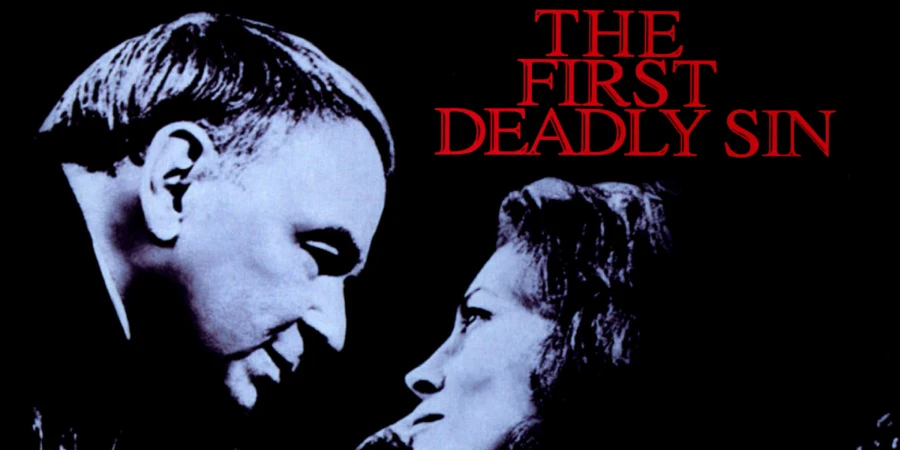

The First Deadly Sin (1980) is a dark, slow-burning crime thriller that marked the final film appearance of one of Hollywood’s most iconic actors, Frank Sinatra. Directed by Brian G. Hutton and based on the novel by Lawrence Sanders, the film blends police procedural storytelling with a deeply personal drama about aging, mortality, and obsession.
Although it didn’t become a major hit upon release, the film has developed a reputation as an atmospheric late-70s detective story with a haunting tone and a melancholic performance from Sinatra.
Detailed Summary
A Brutal Murder Shocks New York
The film opens in New York City with the discovery of a horrifying murder. A woman has been killed with a strange, homemade weapon designed to crush her skull with a powerful bolt-like impact. The method is unusual, brutal, and extremely precise.
Veteran NYPD detective Edward X. Delaney (Frank Sinatra) is assigned to investigate the case. Delaney is an experienced homicide detective nearing retirement, known for his persistence and methodical approach.
At the same time, Delaney’s wife Barbara is gravely ill and hospitalized, creating emotional strain as he divides his time between the hospital and the investigation.
The Killer Strikes Again
Soon after the first murder, another woman is killed using the same bizarre weapon. The murders appear random, which makes the case even more frustrating.
Delaney studies the crime scenes obsessively. The killer leaves almost no evidence, no fingerprints, and no clear motive. The weapon itself is strange enough to become the key clue.
As Delaney interviews suspects and studies patterns, the investigation moves through various parts of New York’s social landscape—from bars and apartments to laboratories and hospitals.
Meanwhile, the audience learns the identity of the killer early in the film: Daniel Blank, played by Bruce Dern. Blank is a lonely, quiet man who works in a laboratory environment. He carefully constructs a mechanical murder weapon designed to deliver a deadly blow to the head.
The tension of the film doesn’t come from discovering who the killer is, but from whether Delaney can prove it.
Delaney’s Obsession with the Case
Delaney becomes increasingly obsessed with solving the murders. His colleagues notice that the case is consuming him.
At the same time, his wife’s condition worsens. Delaney visits her at the hospital whenever he can, but he feels helpless watching her slowly decline. These scenes give the film a heavy emotional weight.
The investigation eventually points Delaney toward Blank after he identifies the unusual metal and mechanical components used in the murder weapon. Blank has the knowledge and access needed to construct it.
Closing in on the Killer
Delaney begins quietly surveilling Blank, studying his routines and behavior. However, the detective lacks enough evidence to arrest him.
Blank grows paranoid, sensing he may have attracted police attention. Yet he also seems compelled to continue killing.
Eventually Delaney gets the break he needs when he finds enough evidence tying Blank to the murder weapon and crime scenes.
Movie Ending
The final act brings the investigation to its inevitable confrontation.
Delaney finally gathers enough evidence to arrest Daniel Blank for the murders. The killer is taken into custody, and the case that consumed the detective for so long is officially solved.
However, the emotional resolution of the film lies elsewhere.
Throughout the investigation, Delaney had been visiting his wife Barbara in the hospital as she struggled with a serious illness. Her health steadily declines during the course of the movie.
After the arrest, Delaney returns to the hospital and discovers that his wife has died.
This moment lands with quiet devastation. The case that had absorbed his entire focus is over, but the personal loss he had been trying to emotionally postpone now fully hits him.
In the final scenes, Delaney walks alone through the hospital and then into the city. The film ends on a somber note, emphasizing the idea that solving crimes cannot protect detectives from the tragedies of their own lives.
The ending highlights the central theme of the story: the relentless nature of death and the emotional toll of a life spent chasing violence.
Are There Post-Credits Scenes?
No. The First Deadly Sin does not include any post-credits or mid-credits scenes. Once the film ends, the story is complete.
Type of Movie
The First Deadly Sin is a crime thriller and police procedural with strong dramatic elements. The film focuses less on action and more on investigation, psychology, and the emotional toll of detective work.
Cast
- Frank Sinatra — Detective Edward X. Delaney
- Bruce Dern — Daniel Blank
- Faye Dunaway — Barbara Delaney
- James Whitmore — Captain Broughton
- Martin Gabel — Dr. Saxon
Film Music and Composer
The film’s score was composed by Gordon Willis and collaborator Gordon Jenkins.
The music complements the film’s slow, tense atmosphere. Rather than using loud thriller cues, the score relies on subtle orchestration that reinforces the film’s melancholic and reflective tone.


Filming Locations
The film was shot primarily in New York City, which plays a crucial role in its realism.
Key filming locations include:
- Manhattan streets and neighborhoods
- Bellevue Hospital–style hospital settings
- Various apartment interiors and police precinct sets
New York is presented in a grounded, almost gritty way. The city feels lived-in and authentic, which enhances the procedural realism of Delaney’s investigation.
Awards and Nominations
The First Deadly Sin did not receive major awards or nominations upon release. Critics were mixed, though many later praised Sinatra’s restrained performance and the film’s atmosphere.
Today, the movie is often remembered more for its place in film history than for awards recognition.
Behind the Scenes Insights
- This was Frank Sinatra’s final theatrical film performance before his retirement from acting.
- Sinatra reportedly connected strongly with the character of Delaney, seeing parallels with aging and loss.
- Production was temporarily delayed when Sinatra underwent surgery during filming.
- Bruce Dern built his character by studying real criminal case histories.
- The film tried to replicate the tone of gritty 1970s detective films like Dirty Harry and Serpico, but with a more reflective pace.
Inspirations and References
The film is based on the 1973 novel The First Deadly Sin by Lawrence Sanders.
The novel is the first in a series of detective stories following Edward X. Delaney, each themed around one of the Seven Deadly Sins.
The story draws heavily from real police investigative techniques and the psychological profiling that was becoming more common in the 1970s.
Alternate Endings and Deleted Scenes
There are no widely documented alternate endings.
However, several scenes were trimmed during editing:
- A longer introduction to Daniel Blank’s daily life
- Additional hospital scenes involving Barbara Delaney
- Extended investigative conversations between Delaney and forensic experts
These cuts were made mainly to tighten the pacing.
Book Adaptations and Differences
While the film stays relatively faithful to the novel, there are some differences.
- The novel provides deeper psychological insight into both Delaney and the killer.
- Several secondary suspects appear in the book but were removed from the film.
- The investigation in the novel is more complex and involves more procedural detail.
- The emotional storyline involving Delaney’s wife is shorter in the book but expanded in the film to increase dramatic impact.
Memorable Scenes and Quotes
Key Scenes
- The discovery of the first victim and the unusual weapon.
- Delaney examining the mechanical murder device and realizing its deadly design.
- The quiet hospital visits between Delaney and his wife.
- The tense surveillance of Daniel Blank before the arrest.
- The heartbreaking hospital scene near the end of the film.
Iconic Quotes
- “Everybody dies. The trick is not to forget you’re alive while you’re waiting.”
- “Some men kill because they hate. Some kill because they have nothing else left.”
Easter Eggs and Hidden Details
- The unusual murder weapon was designed specifically for the film and became one of its most memorable props.
- The film subtly references the concept of the Seven Deadly Sins, though the theme is more explicit in the book series.
- Delaney’s badge number reportedly references a real NYPD officer consulted during production.
- Some background actors in police station scenes were actual off-duty officers.
Trivia
- This was Frank Sinatra’s last starring role in a theatrical film.
- Sinatra had not appeared in a major film for nearly a decade before this project.
- The movie’s dark tone contrasted sharply with Sinatra’s earlier charismatic screen roles.
- Bruce Dern later said playing Daniel Blank was one of the most disturbing characters he had portrayed.
- The film was part of a wave of darker detective movies that defined late-1970s American cinema.
Why Watch?
The First Deadly Sin is worth watching for several reasons.
First, it offers a quiet, introspective detective story rather than a flashy thriller. The pacing may feel deliberate, but it creates a sense of realism and emotional depth.
Second, the film serves as a fascinating final screen performance from Frank Sinatra. His portrayal of Delaney feels restrained, weary, and deeply human.
Finally, the movie captures a specific era of filmmaking when crime films focused on character, mood, and psychological tension rather than spectacle.
Director’s Other Works (Movies)
Films directed by Brian G. Hutton:
- Where Eagles Dare (1968)
- Kelly’s Heroes (1970)
- Night Watch (1973)
Recommended Films for Fans
If you enjoyed the tone and style of this movie, you might also like: