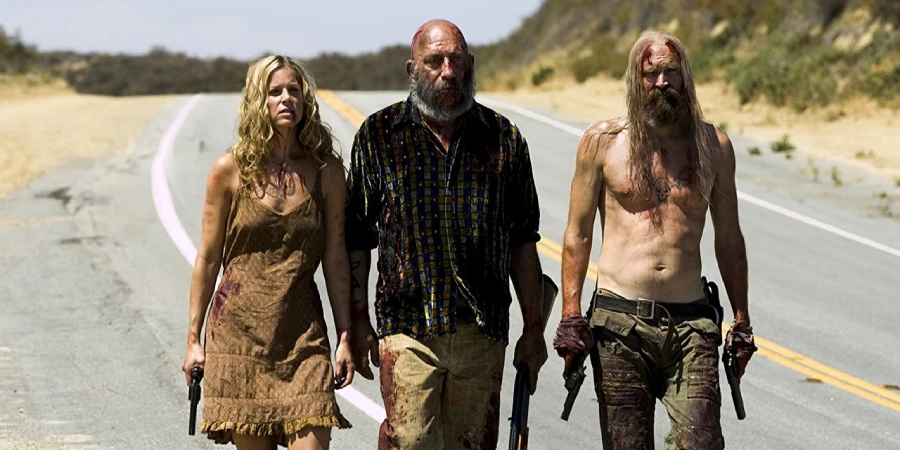

Rob Zombie made a film where the murderers are the protagonists, and he made you root for them anyway. The Devil’s Rejects opens with a SWAT team laying siege to the Firefly farmhouse and somehow, within minutes, you are grimly hoping the killers get away. That tonal trick is the whole film in miniature. Zombie shoots it like a 1970s grindhouse western, bleached and sweaty, scored to Lynyrd Skynyrd, and completely uninterested in your moral comfort.
Table of Contents
Detailed Summary
The Siege of the Firefly House
Sheriff John Quincy Wydell leads a heavily armed assault on the Firefly compound at dawn. Mother Firefly (Gloria Cargill/Leslie Easterbrook) holds down the fort while her son Otis Driftwood and daughter Baby escape through the back. Wydell captures Mother Firefly, but the two siblings vanish into the Texas landscape.
Wydell is not a clean hero. His brother was killed by Captain Spaulding in the first film, House of 1000 Corpses, and vengeance drives him as much as any badge. That personal obsession quietly poisons everything he does from this point forward.
Otis and Baby Take the Unhappy Campers
Otis and Baby hole up in a roadside motel and encounter a traveling country band, the Banjo and Sullivan group, along with their family members. What follows is a prolonged, genuinely horrifying hostage sequence. Otis controls the room through sheer physical menace, pacing, pressing his face close to the victims, using their own fear as a weapon.
He murders band member Adam and forces the rest to comply through terror. Baby wears the face of one of the women like a mask, a direct callback to the influence of The Texas Chain Saw Massacre. George Wydell, the sheriff’s contact, tips Spaulding off about the heat closing in.
Captain Spaulding Enters the Picture
Captain Spaulding, the fried-chicken-and-murder clown played by Sid Haig, has been laying low. He gets word that Otis and Baby need an extraction and drives out to meet them at a prearranged location. Their reunion crackles with a specific family warmth that is deeply unsettling precisely because it feels genuine.
Spaulding functions as a de facto father figure here, gruff and foul-mouthed but clearly invested in keeping his people alive. Sid Haig plays every scene like a man who finds the whole world faintly ridiculous. That comic register keeps the film from collapsing under its own brutality.
Charlie Altamont and the Brothel
Spaulding contacts his old associate Charlie Altamont, a pimp and criminal played by Ken Foree, who runs a roadside brothel out in the desert. Charlie reluctantly agrees to shelter the trio. Inside the brothel, the Firefly clan unwinds, drinks, and temporarily relaxes.
Zombie stages this section almost like a hangout film. You watch the three killers joke, bicker, and behave like a dysfunctional family on a road trip. It is the most nakedly manipulative stretch of the movie, and it works beautifully because the actors commit without any winking at the camera.
Wydell Closes In
Sheriff Wydell is coming apart. He interviews a survivor from the motel and pieces together the trio’s movements. His investigation grows increasingly unhinged as personal grief overrides professional conduct. He hires two bounty hunters, known as the Unholy Two, to help him track down the Fireflys.
Wydell also visits Mother Firefly in custody and, in a cold and terrible scene, kills her. He frames it as justice, but it reads plainly as murder. William Forsythe plays this slow disintegration with total conviction, and by the midpoint of the film you are watching two sets of monsters move toward each other.
Betrayal at the Brothel
Charlie Altamont, fearing Wydell’s reach, betrays the Firefly trio. Wydell and his team raid the brothel, kill Charlie, and capture Spaulding, Otis, and Baby. It is a brutal and efficient sequence, and the shift in power is jarring after spending so much time with the killers as your de facto leads.
Wydell takes the three captives to a remote location. What follows is an extended torture sequence in which he nails Otis and Baby to wooden posts, beats them, and monologues about righteous vengeance. He has become exactly what he hates. Zombie does not underline the irony; he just lets Forsythe perform it.
Movie Ending
Wydell’s torture session at the remote farmhouse is where his transformation into a full villain completes itself. He pours gasoline around the building and prepares to burn the three alive, speaking scripture and calling it God’s work. A friend of the Firefly family, Tiny, arrives and kills Wydell, freeing Spaulding, Otis, and Baby before disappearing back into the dark.
The three climb into a car, battered and bleeding. They drive down a long empty road. Otis loads guns. Baby grins. Spaulding grips the wheel. A police roadblock appears ahead.
Rather than stop, they accelerate. They fire from the windows. Slow motion swallows the sequence as “Free Bird” by Lynyrd Skynyrd kicks in on the soundtrack. Bullets tear into the car. The trio keeps firing even as they are clearly dying. It ends in a freeze frame, the car still moving, the outcome technically unresolved but thematically conclusive.
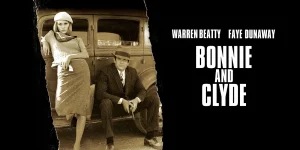
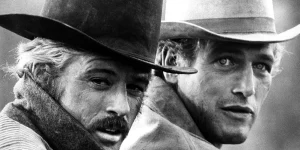
Zombie frames their death run as a western finale, three outlaws choosing to die on their own terms rather than surrender. He borrows from Bonnie and Clyde and Butch Cassidy and the Sundance Kid without apology. The genius of it, uncomfortable as that word is here, is that by this point in the film you have been so thoroughly positioned inside their perspective that the slow-motion carnage hits like a tragedy.
Do they die? Almost certainly. The film does not show corpses, but the number of rounds entering that car leaves no realistic ambiguity. Zombie opts for the freeze frame because the exact moment of death matters less than the image of three people choosing defiance over surrender. It is the logical endpoint of a film that has spent ninety minutes asking you to hold two contradictory responses at once.
Are There Post-Credits Scenes?
The Devil’s Rejects has no post-credits scene. Once the freeze frame lands and “Free Bird” plays out, the film is finished. You can leave when the credits roll.
Type of Movie
The Devil’s Rejects is a horror thriller with heavy road movie and southern gothic western elements. Its tone sits closer to 1970s exploitation cinema than to contemporary horror. It is brutal, funny in deeply wrong ways, and morally destabilizing in a manner that feels entirely intentional.
Zombie shoots on grainy, sun-scorched film stock that makes every frame feel like a document from a worse decade. This is not a film that wants you comfortable. It wants you implicated.
Cast
- Sid Haig – Captain Spaulding
- Bill Moseley – Otis Driftwood
- Sheri Moon Zombie – Baby Firefly
- William Forsythe – Sheriff John Quincy Wydell
- Ken Foree – Charlie Altamont
- Matthew McGrory – Tiny Firefly
- Leslie Easterbrook – Mother Firefly
- Geoffrey Lewis – Roy Sullivan
- Priscilla Barnes – Gloria Sullivan
- Dave Sheridan – Deputy Ray Dobson
- Kate Norby – Candy
- EG Daily – Charly
Film Music and Composer
The Devil’s Rejects relies heavily on licensed rock music rather than a traditional orchestral score. Tyler Bates composed the original score, delivering low, grinding instrumental passages that press the tension without announcing themselves. His work here is more atmospheric texture than traditional movie music.
What most people remember is the song selection. “Free Bird” scoring the finale is one of the most audacious needle drops in horror history. Zombie also uses “Midnight Rider” by the Allman Brothers Band and various other southern rock and outlaw country tracks to build the film’s specific sense of sweaty, doomed Americana.
Bates later worked extensively with Zack Snyder, but his work on this film is frankly his most interesting because restraint suits the material far better than bombast would have.
Filming Locations
Principal photography took place in California, primarily in the desert regions that could pass for a remote, lawless stretch of the American South. The arid, bleached landscape does enormous work for the film’s atmosphere. Heat becomes a visual character; everything looks baked and slightly unreal.
The motel sequences were shot on location at functional roadside properties, which gives the hostage scenes their suffocating, specific texture. A real room with real stains and real bad lighting is more frightening than any set build. Zombie understood that instinctively.
The final road sequence was shot on a straight California highway, which gives the freeze-frame ending its mythic, open-plain quality. That emptiness reads as inevitability.
Awards and Nominations
The Devil’s Rejects was not a major awards circuit presence. It received recognition from genre-focused bodies, including nominations at the Saturn Awards, and earned strong critical reappraisal over time, but it was not a mainstream awards contender.
Behind the Scenes Insights
- Rob Zombie deliberately shot the film to look like a 1970s exploitation picture, choosing warmer, grainier film aesthetics over the polished look of contemporary horror.
- William Forsythe prepared for the role by researching grief and obsession rather than playing Wydell as a straightforward villain from the start.
- Sheri Moon Zombie has said that Baby’s arc in this film required her to play genuine fear, not just aggression, which she found more demanding than her work in House of 1000 Corpses.
- Sid Haig improvised a significant portion of Spaulding’s dialogue, particularly in the reunion scenes with Otis and Baby.
- Matthew McGrory, who played Tiny, passed away in 2005 shortly after filming completed. Zombie has spoken publicly about the loss and dedicated work on the film to his memory.
- Ken Foree was cast in part as a nod to his history in horror, specifically Dawn of the Dead, giving genre fans an immediate point of recognition.
- Zombie screened 1970s road films and exploitation westerns for his cast and crew as reference material before shooting began.
Inspirations and References
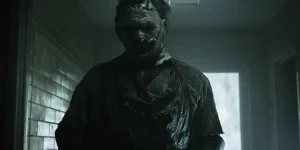
The Texas Chain Saw Massacre is the most direct visual and tonal ancestor. Baby wearing a victim’s face as a mask is not subtle about this debt. Zombie has consistently cited Tobe Hooper’s film as a foundational influence.
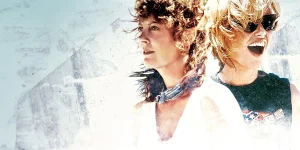
Bonnie and Clyde and Butch Cassidy and the Sundance Kid shaped the film’s structure and its finale specifically. Both films end with outlaw protagonists charging into certain death, and Zombie reproduces that rhythm almost beat for beat.
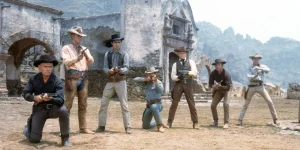
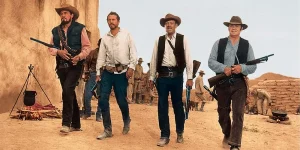
Sam Peckinpah’s work, particularly The Wild Bunch, informed the slow-motion violence and the elegiac quality Zombie pushes in the final act. The idea that violence can be simultaneously disgusting and beautiful runs through all of Peckinpah’s best work and Zombie absorbs it here.
Real-life serial killer cases, including the Manson Family’s road-trip criminality and the general atmosphere of 1970s American outlawry, provide a cultural backdrop rather than specific plot points.
Alternate Endings and Deleted Scenes
Zombie has discussed that earlier cuts of the film included additional scenes developing the relationship between Wydell and the bounty hunters. These were trimmed in editing because they slowed the film’s momentum in the second act.
Several scenes extending the motel sequence were cut. Zombie felt the theatrical version already pushed the audience to its limit with that material, and longer versions risked tipping from disturbing into numbing.
No significantly different alternate ending has been released. Zombie has indicated the “Free Bird” finale was always his intended conclusion and was never seriously reconsidered during post-production.
Book Adaptations and Differences
The Devil’s Rejects is not based on a book. Rob Zombie wrote the original screenplay. No source novel or short story exists to compare it against.
Memorable Scenes and Quotes
Key Scenes
- The dawn siege on the Firefly farmhouse, with muzzle flashes in the pre-sunrise dark and Mother Firefly screaming defiance from inside.
- Otis pressing a pistol barrel against a terrified hostage’s forehead in the motel room while speaking in a soft, almost gentle voice.
- Baby wearing the face of a murdered woman outside the motel, laughing, while a surviving hostage watches in speechless horror.
- Spaulding, Otis, and Baby reuniting on a dusty road, embracing with the easy comfort of people who have survived together before.
- Wydell nailing Otis and Baby to wooden beams, quoting scripture, completely certain of his own righteousness.
- Tiny emerging from darkness to kill Wydell, a wordless act of loyalty that carries more emotional weight than most dialogue scenes in the film.
- The final drive into the police roadblock in slow motion, “Free Bird” building, all three of them firing and bleeding and grinning.
Iconic Quotes
- “I am the devil, and I am here to do the devil’s work.” (Otis, to his motel hostages)
- “Boy, the next word that comes out of your mouth better be some brilliant fuckin’ Mark Twain shit. Cause it’s definitely getting chiseled on your tombstone.” (Spaulding)
- “Why do you wanna go and do a thing like that?” (Baby, with complete sincerity, after an act of violence)
- “Hell, I like to see a good fight.” (Spaulding)
Easter Eggs and Hidden Details
- Ken Foree’s casting directly echoes his role as a survivor in Dawn of the Dead; his presence is a quiet salute to 1970s horror fandom.
- Several of the film posters and decorations visible in the Firefly house reference real exploitation films from the 1960s and 1970s.
- Sheriff Wydell’s first name, John Quincy, references a U.S. president known for a strong moral code, a joke about the character’s self-image versus his actions.
- The Banjo and Sullivan band uses names that echo classic country music figures, grounding the victims in a specific American cultural identity Zombie clearly respects even as he destroys them.
- Captain Spaulding’s name is a reference to Groucho Marx’s character Captain Spaulding in Animal Crackers, a dark joke about a foul murderer sharing a name with a beloved comic character.
- Tiny’s silent presence throughout functions as a visual echo of Leatherface, the mute, physically enormous killer from The Texas Chain Saw Massacre.
Trivia
- Rob Zombie chose “Free Bird” for the finale after realizing the song’s cultural weight in southern American identity made it simultaneously ironic and genuinely moving in context.
- The film was originally rated NC-17 and required cuts to secure an R rating for theatrical release.
- Zombie has described this as his most personal film because it forced him to fully commit to a perspective he found morally uncomfortable.
- Bill Moseley based elements of Otis’s physicality on real photographs of violent criminals he studied during preparation.
- A third film in the series, 3 From Hell, was released in 2019 and required Zombie to devise a way to resurrect characters who appear to die here.
- The film earned significantly more positive critical responses than House of 1000 Corpses, with several critics noting it was a major step forward in craft and confidence.
- Sheri Moon Zombie wore minimal makeup for much of the film, a deliberate contrast to her heavily styled appearance in the first film, to make Baby feel more physically real and present.
Why Watch?
William Forsythe’s performance is the reason to sit with this film. His Sheriff Wydell starts as a grieving man and ends as something worse than anyone he is hunting, and Forsythe maps every step of that collapse with frightening precision. Zombie builds a film around moral inversion and actually earns it, which almost nobody manages to do.
Director’s Other Movies
- House of 1000 Corpses (2003)
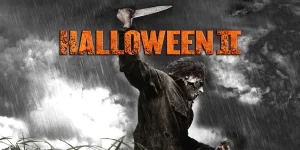
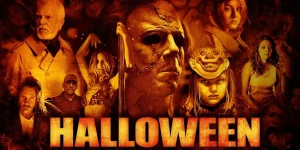
- Halloween (2007)
- Halloween II (2009)
- The Lords of Salem (2012)
- 31 (2016)
- 3 From Hell (2019)
- The Munsters (2022)
Recommended Films for Fans
- The Texas Chain Saw Massacre (1974)
- Badlands (1973)
- Bonnie and Clyde (1967)
- Natural Born Killers (1994)
- The Wild Bunch (1969)
- House of 1000 Corpses (2003)
- Blood Simple (1984)
- Near Dark (1987)