

Five sisters, one crumbling house, and a society determined to erase them: Mustang delivers one of the most urgent and beautifully rendered stories about female freedom in recent cinema. Director Deniz Gamze Erguven crafts a film that feels like a trapped breath slowly turning into a scream. Set in rural Turkey, it follows girls whose innocent play on a beach triggers a chain of consequences that will define, and nearly destroy, their lives. Few debut features arrive with this much fury and grace.
Detailed Summary
A Day at the Beach Changes Everything
The film opens in a small village in northern Turkey, near the Black Sea. Five orphaned sisters, Sonay, Selma, Ece, Nur, and the youngest, Lale, celebrate the last day of school by splashing in the sea with male classmates.
A neighbor spots them and reports the scene to their grandmother and uncle. To the adults, innocent horseback play in the water reads as sexual provocation. This misreading sets the entire tragedy in motion.
The House Becomes a Prison
Their uncle Erol and grandmother respond by confining the girls at home. Windows gain bars. High walls go up around the property. Phones and computers disappear, and the girls begin compulsory domestic training, essentially grooming for marriage.
Lale, who narrates the story, describes their home turning into a “wife factory.” The sisters resist in small, creative ways. They sneak out to attend a football match, hiding in the back of a truck, and their joy at the game is one of the film’s most electric sequences.
The Marriages Begin
One by one, the older sisters face arranged marriages. Sonay, however, manages to negotiate: she convinces her family to let her marry a boy she actually loves, Ekin. It is a small but meaningful act of self-determination within a system that allows almost none.
Selma’s situation contrasts sharply. Her wedding night inspires a humiliating virginity examination after her sheets show no blood. Selma later confides to her sisters that she simply is not a virgin, and the family’s panic over honor is exposed as both cruel and absurd.
Ece’s Tragedy
Ece, the third sister, faces a marriage she cannot bear. She has been living with the secret that uncle Erol has sexually abused her, and she refuses to let that abuse define the rest of her existence. Shortly after her wedding, Ece takes her own life.
Her death lands on the film like a stone dropped into still water. It radicalizes Lale’s resolve. Consequently, what had been a story of collective resistance now sharpens into one girl’s singular mission to escape.
Lale Takes Control
Nur is next in line for an arranged marriage. Lale, meanwhile, secretly befriends a truck driver named Yakin and begins stockpiling money for their escape. She also steals back the family car keys, learning to drive by practicing in secret.
Lale is small, determined, and furious. She watches, plans, and waits with a patience that feels almost unbearable given what surrounds her.
Nur’s Wedding and the Final Push
Nur’s wedding arrives. Lale interrupts it and convinces Nur to leave with her. The two sisters flee during the night in the family car, with Lale driving despite being a child.
Erol pursues them. However, Lale and Nur reach Yakin’s truck in time. He drives them to Istanbul, where their older sister Sonay, now married and living there, can take them in and offer safety.



Movie Ending
Lale and Nur arrive in Istanbul, exhausted but alive. Sonay welcomes them. For the first time in the film, the two youngest sisters exist in a space where no one owns them, no one is arranging their futures, and the city stretches out ahead with genuine possibility.
Lale’s voiceover closes the film on a note that is hopeful but not naive. She speaks directly to her dead sisters, to Ece especially, as though reporting back that the escape succeeded. In addition, she describes the city and its noise as something that finally feels like freedom rather than chaos.
What makes the ending land so hard is precisely what it does not resolve. Erol faces no justice. The grandmother remains complicit and unchanged. Three sisters made it out; two did not, one to marriage she did not choose, one to death. Erguven refuses a clean triumph, and that refusal is what gives the ending its moral weight.
Lale is perhaps twelve or thirteen years old and has just driven through the night to save herself and her sister. It is an act of almost mythic courage dressed in ordinary clothes. The final image of the city, wide and indifferent and full of noise, feels earned.
Are There Post-Credits Scenes?
Mustang contains no post-credits scenes. Erguven ends the film on her own terms, and the credits roll without any additional footage or sequences.
Type of Movie
Mustang is a coming-of-age drama with strong elements of social realism and feminist cinema. Its tone blends warmth and dread in a way that feels almost suffocating at times.
In contrast to films that aestheticize suffering, Erguven keeps the camera close to the sisters in a way that feels protective rather than voyeuristic. Moments of genuine laughter and sisterly joy exist alongside genuine horror, and the film earns both registers.
Cast
- Gunes Sensoy – Lale
- Doga Zeynep Doguslu – Nur
- Tugba Sunguroglu – Selma
- Elit Iscan – Ece
- Ilayda Akdogan – Sonay
- Nihal Koldas – Grandmother
- Ayberk Pekcan – Uncle Erol
Film Music and Composer
Warren Ellis, the Australian musician and longtime collaborator with Nick Cave, composed the score. His work here is spare and atmospheric, using strings and ambient textures that feel like unease given physical form.
Ellis avoids melodrama. His score amplifies the film’s tension without telegraphing emotion, trusting the performances and Erguven’s direction to carry the weight. Notably, the music during the football sequence swells with rare, uncomplicated joy, making it one of the film’s most memorable stretches.


Filming Locations
Erguven shot Mustang primarily in the Inebolu district of the Kastamonu province in northern Turkey, along the Black Sea coast. The landscape is lush, green, and visually gorgeous, which creates a deliberate and unsettling tension with the story’s confinement.
The house itself functions almost as a character. Its walls, gates, and barred windows become visual shorthand for everything the sisters cannot have. Erguven used the location’s natural beauty as a kind of ironic frame, surrounding captivity with open sky and sea.
Awards and Nominations
Mustang earned an Academy Award nomination for Best Foreign Language Film in 2016, representing France. It also won the Prix Fipresci at the Cannes Film Festival in the Directors’ Fortnight section and received multiple César Award nominations, including Best Film and Best Director.
Erguven won the César Award for Best First Film. For a debut feature, its awards traction was remarkable and reflected the film’s widespread critical impact.
Behind the Scenes Insights
- Erguven co-wrote the screenplay with Alice Winocour, and the two developed it over several years before production began.
- None of the five lead actresses had significant prior acting experience, which contributes enormously to the film’s feeling of raw authenticity.
- Erguven held extensive workshops and rehearsals with the young cast to build genuine chemistry and trust between the sisters before filming started.
- The film was a French-Turkish co-production, which is part of why it represented France rather than Turkey at the Academy Awards.
- Ayberk Pekcan, who plays the abusive uncle Erol, has spoken about the challenge of portraying such a character with specificity rather than cartoonish villainy.
- Erguven has cited her own experiences growing up between Turkey and France as foundational to the story’s emotional urgency.
Inspirations and References
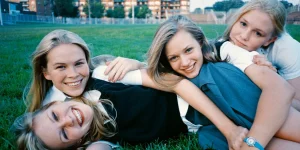
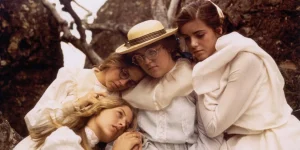
Erguven has cited The Virgin Suicides by Jeffrey Eugenides as a reference point, and the parallels are clear: multiple sisters, a suffocating domestic environment, and a youngest sibling whose perspective anchors the narrative. However, Mustang grounds its story in specifically Turkish social realities rather than American suburban mystique.
Real events and documented practices around forced marriage and honor culture in rural Turkey directly informed the script. Erguven has been careful to note that the film does not represent all of Turkey, but it does engage seriously with conditions that affect real women and girls.
Alternate Endings and Deleted Scenes
No officially documented alternate endings or significant deleted scenes have been made publicly available for Mustang. Erguven has not discussed major structural changes to the ending in widely available interviews.
Book Adaptations and Differences
Mustang is an original screenplay, not based on any book or previously existing source material. Erguven and Winocour wrote it directly for the screen.

Memorable Scenes and Quotes
Key Scenes
- The opening beach sequence, where the sisters play freely with their male classmates, establishes everything the film is about to take away from them.
- The football match sequence, where the girls sneak out and experience pure collective joy, stands as the film’s emotional high point before the darkness fully closes in.
- Selma’s virginity test aftermath, where the sisters laugh together at the absurdity of the situation, captures the film’s complex mixture of solidarity and grief.
- Ece’s death, which happens off-screen but lands with devastating force through Lale’s reaction and the silence that follows.
- Lale’s nighttime drive to freedom, small hands on the steering wheel, city lights ahead, functions as the film’s most visually powerful image of agency.
Iconic Quotes
- “Our house had become a wife factory.” (Lale, in voiceover, describing the transformation of their home)
- “I didn’t want them to have a hold over me.” (Ece, explaining her refusal to submit to a life defined by others’ control)
Easter Eggs and Hidden Details
- Lale’s ongoing observation of the car and its keys early in the film quietly foreshadows the climactic escape, rewarding attentive viewers on a second watch.
- The color of the sisters’ dresses shifts subtly as the film progresses, moving from brighter tones toward more muted, institutional colors as their confinement deepens.
- Erguven frames the sisters repeatedly in windows and behind bars, using architectural geometry to visualize their shrinking world without relying on explicit dialogue.
- The football match scene uses a real all-female crowd at a Turkish football stadium, grounding the sequence in an actual cultural phenomenon rather than a fabricated one.
Trivia
- Mustang was Deniz Gamze Erguven’s feature directorial debut.
- France selected the film as its submission for the Academy Award for Best Foreign Language Film, which generated some discussion given the film’s Turkish setting and predominantly Turkish cast and crew.
- Gunes Sensoy, who plays Lale, was approximately eleven years old during filming, making her performance all the more remarkable.
- The film’s title refers to the wild horse, a symbol of untamed freedom, which maps directly onto the sisters’ spirit and the forces trying to break it.
- Warren Ellis composed the score in close collaboration with Erguven, who had a clear sonic vision for the film from early in development.
Why Watch?
Mustang is urgent, beautiful, and furious in equal measure. It transforms a story of systemic oppression into something viscerally personal through five extraordinary performances and a director who never loses sight of her characters’ humanity. For anyone who cares about cinema that matters, this film is essential.
Director’s Other Movies
- Kings (2017)
Recommended Films for Fans
- The Virgin Suicides (1999)
- Wadjda (2012)
- Girlhood (2014)
- A Separation (2011)
- Capernaum (2018)
- Water (2005)