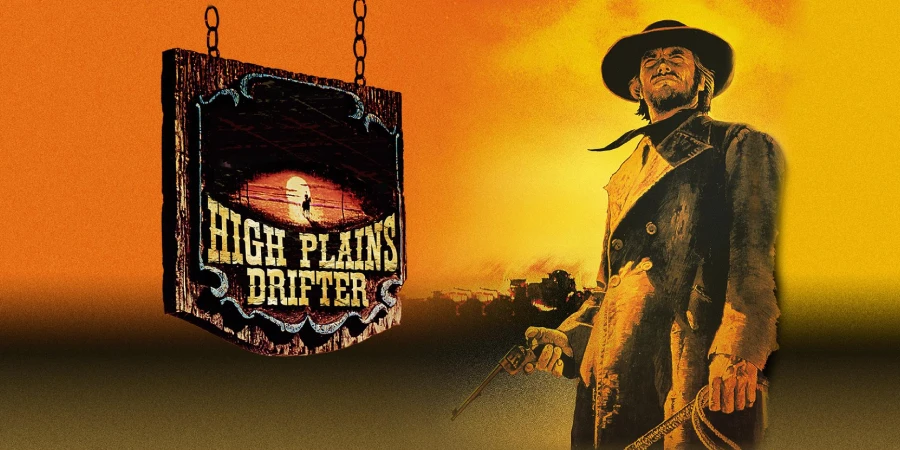

High Plains Drifter (1973), directed by and starring Clint Eastwood, is a surreal, morally ambiguous Western that merges revenge drama with elements of supernatural mystery.
Detailed Summary
The Stranger Rides Into Lago
The film begins with a nameless Stranger (Clint Eastwood) emerging from a shimmering desert mirage and riding into the small mining town of Lago. From his very first steps, locals react with a mix of awe, fear, and suspicion. The Stranger kills three hired gunmen within hours of arriving, establishing himself as a mysterious and unpredictable force.
A Town With a Dark Secret
The residents of Lago beg the Stranger to protect them from three outlaws who are about to be released from prison. Slowly, with sharp observations and pointed comments, the Stranger exposes what really happened: the townspeople once watched as Marshal Jim Duncan was brutally whipped to death by the same outlaws—an act the townsfolk allowed, encouraged, or actively participated in.
This is the film’s central mystery: Who is the Stranger, and why does he seem to know everything about Duncan’s murder?
Turning Lago Into a Living Nightmare
The Stranger’s demands grow stranger: he takes what he wants, forces townspeople to obey him, installs a little person (Mordecai) as mayor and sheriff, and orders the entire town painted bright red with a sign that reads “Welcome to Hell.”
The Stranger is not just preparing for a gunfight—he is delivering punishment. The town is forced to confront its collective guilt, corruption, and cowardice.
The Outlaws Arrive
The three outlaws—Stacey Bridges and the Carlin brothers—finally reach Lago seeking revenge. But by the time they arrive, the Stranger has transformed the town into a psychological trap. The climax begins as the villagers attempt (and fail) to defend themselves, eventually turning on each other.
The Stranger reveals himself during the chaos, taking on a ghostly, avenging presence as he hunts down the outlaws one by one.
Movie Ending
In the final confrontation, the Stranger ignites the town, creating a hellish backdrop that mirrors Lago’s moral decay.
Stacey Bridges, the most brutal of the outlaws, begs to know the Stranger’s identity. The Stranger simply replies, “You know,” before killing him. This is an important moment: the film confirms the Stranger is not just a man but a supernatural manifestation of vengeance, possibly the spirit of Marshal Jim Duncan—or a ghostly avenger sent on Duncan’s behalf.
As the Stranger rides out of town, Mordecai is engraving Duncan’s tombstone. He looks up and says, “I never did know your name.”
The Stranger replies:
“Yes, you do.”
He then disappears into the shimmering desert heat, just as mysteriously as he arrived. This ending strongly reinforces the idea that the Stranger is either:
- the resurrected Marshal Duncan
- his vengeful spirit
- or a supernatural agent of retribution
The film intentionally leaves the answer open, making the ending both haunting and memorable.
Are There Post-Credits Scenes?
No. High Plains Drifter does not have a post-credits scene. Once the Stranger rides into the haze, the story is complete.
Type of Movie
This is a psychological, supernatural-tinged Western that blends revenge drama with eerie moral allegory. It is not a typical frontier adventure—it’s darker, weirder, and intentionally unsettling.
Cast
- Clint Eastwood – The Stranger
- Verna Bloom – Sarah Belding
- Marianna Hill – Callie Travers
- Mitchell Ryan – Stacey Bridges
- Jack Ging – Morgan Allen
- Ted Hartley – Lewis Belding
- Billy Curtis – Mordecai
Film Music and Composer
The film’s atmospheric, minimalist score was composed by Dee Barton, whose moody and haunting musical style enhances the film’s surreal, ghost-town atmosphere. The music is intentionally sparse, highlighting tension and unease rather than heroic Western themes.

Filming Locations
- Mono Lake, California – The eerie landscape enhances the film’s otherworldly tone.
- Universal Studios backlot – Used for interiors and controlled sequences.
The town of Lago itself was a full set built on the shore of Mono Lake. The desolate terrain and strange rock formations help underline the film’s dreamlike, supernatural quality.
Awards and Nominations
The film was not a major awards contender on release, but over time it has become critically respected and is now seen as an influential, genre-bending Western classic.
Behind the Scenes Insights
- The entire town of Lago was built solely for the film and demolished afterward.
- Clint Eastwood directed the film just one year after making his directorial debut.
- The eerie red color scheme was Eastwood’s idea to enhance the Hell-on-earth metaphor.
- Some actors reported difficulty filming in the harsh heat near Mono Lake.
- The supernatural ambiguity was intentional; Eastwood insisted on leaving the Stranger’s identity mysterious.
- The Whipping Scene was so intense that filming it reportedly “quieted the set” more than any other sequence.
Inspirations and References
- Inspired partly by the Sergio Leone Spaghetti Western style, especially Eastwood’s Man With No Name persona.
- Referenced Nathaniel Hawthorne’s moral allegories—guilt, collective sin, and retribution.
- Influenced by the 1950s film The Gunfighter and the 1960s Western Django, which included themes of vengeance and societal corruption.
Alternate Endings and Deleted Scenes
Though no major alternate ending was filmed, early script drafts included:
- A more explicit reveal that the Stranger was Marshal Duncan resurrected.
- An extended flashback sequence showing Duncan’s death in more detail.
These were removed to preserve the film’s mystical ambiguity, which is now seen as one of its greatest strengths.
Book Adaptations and Differences
The movie is not based on a book, but a novelization was released afterward. The novel leaned more literally into the supernatural angle, openly suggesting the Stranger was Duncan’s ghost—a detail the film leaves implied but never confirmed.

Memorable Scenes and Quotes
Key Scenes
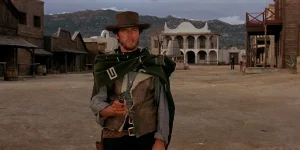
- The Stranger’s arrival through the heat haze.
- The shocking barbershop confrontation.
- The town painted red and renamed “Hell.”
- The brutal flashback of Marshal Duncan’s death.
- The fiery climax as the Stranger kills Bridges.
- The haunting final scene at Duncan’s grave.
Iconic Quotes
- “You know.”
- “Well, you’re the mayor.”
- “Welcome to Hell.”
- “Yes, you do.” (final line)
Easter Eggs and Hidden Details
- The town’s name Lago means “lake”—a nod to Mono Lake where it was filmed.
- The Stranger never gives his name, echoing Eastwood’s Man With No Name roles.
- The film’s color palette (reds, browns, blacks) intentionally references inferno symbolism.
- The Stranger’s saddle gear matches the description of Duncan’s equipment from the flashback.
Trivia
- This was Clint Eastwood’s third film as a director.
- The town set was built in 18 days.
- Universal initially wanted a less supernatural approach. Eastwood refused.
- John Wayne hated the movie, believing it was “anti-Western.”
- The smoke and haze effects were real and often irritated the cast.
Why Watch?
Because High Plains Drifter is not just a Western—it’s a morally bold, visually haunting, and psychologically rich meditation on guilt, revenge, and collective responsibility. It offers a unique blend of mysticism and frontier justice you won’t find in any other Western of its era.
Director’s Other Movies
- Play Misty for Me (1971)
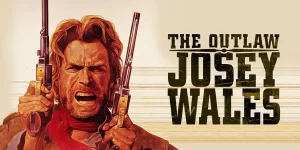
- The Outlaw Josey Wales (1976)
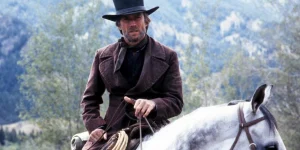
- Pale Rider (1985)
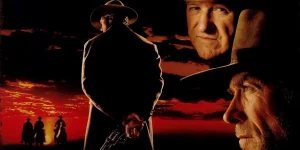
- Unforgiven (1992)
- Million Dollar Baby (2004)
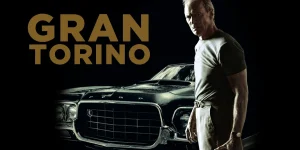
- Gran Torino (2008)