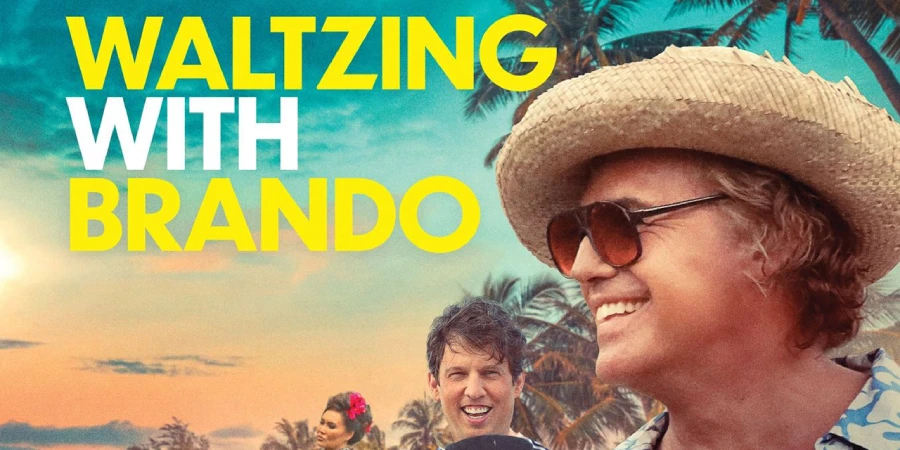

Waltzing with Brando is an American biographical drama film directed by Bill Fishman, based on the memoir Waltzing with Brando: Planning a Paradise in Tahiti and starring Billy Zane as Marlon Brando. It paints a fascinating portrait of one of Hollywood’s most iconic actors during a little-known period of his life when he pursued environmental dreams far from Tinseltown.
Detailed Summary
Setting the Stage: Hollywood Legend Turns Island Dreamer
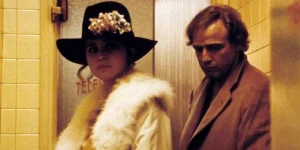
The film opens in the late 1960s, at the height of Marlon Brando’s fame. Fresh off monumental roles (including his preparations for The Godfather and Last Tango in Paris), Brando is restless and seeking something beyond Hollywood. Through shots of film sets, interviews, and quick cuts, we see how he grapples with fame even as he dreams of a self-sustaining paradise on the uninhabited atoll of Tetiaroa in French Polynesia.
Meeting Bernard Judge: Two Worlds Collide
Enter Bernard Judge, an idealistic Los Angeles architect who specializes in sustainable design. Brando spots him and convinces him to take on his crazy idea: build the world’s first truly ecological retreat on a tiny Pacific island. Their initial conversations are full of tension and humour as Judge struggles to reconcile Brando’s lofty ideals with practical reality.
The Harsh Reality of Paradise
The film quickly pivots from glamour to grit. Transporting equipment and materials to Tetiaroa becomes a monumental task. Stormy weather, logistical nightmares, and financial pressures mount. Judge’s family life suffers as he spends months away, leading to emotional scenes about sacrifice and trust. His internal monologue questions whether Brando’s vision was worth the cost.
Friendship and Transformation
Despite setbacks, an authentic friendship blossoms between Judge and Brando. We see Brando at his most eccentric — brainstorming electric-eel power experiments and debating potable water solutions — but also at his most vulnerable, confessing doubts about legacy, purpose, and love for his adopted island. The film balances humour with poignant character work.
Movie Ending
The movie’s climax brings together every thematic thread: vision vs. reality. After years of trials — financial blowouts, equipment failures, disputes with local communities, and Judge’s personal life nearing collapse — Brando and Judge finally see the first structures of their dream take shape on Tetiaroa’s sands. In a series of powerful closing scenes:
- Brando delivers a heartfelt speech about what paradise really means, focusing not on luxury but on harmony with nature.
- Judge realizes that the island retreat is not just an architectural project but a testament to friendship, resilience, and belief in better possibilities.
In the final montage — intercut with archival-style shots — we see Tetiaroa evolve into a symbol of what might have been and also what still can be. The movie ends quietly, without a splashy resolution, but with a clear emotional payoff: Brando’s dream persists even if not fully realized, and Judge returns to his life changed forever.
Are There Post-Credits Scenes?
No. There are no post-credits or mid-credits scenes; the film concludes with its emotional resolution and ends when the credits begin to roll.
Type of Movie
Waltzing with Brando is a biographical drama — part Hollywood portrait, part environmental story, and part friendship tale. It merges humour with real-world challenges faced by two very different men.
Cast
- Billy Zane as Marlon Brando
- Jon Heder as Bernard Judge
- Richard Dreyfuss (role unspecified)
- Camille Razat
- Alaina Huffman
- Tia Carrere
- James Jagger
- Other supporting roles include Rob Corddry and Sofia Masson.
Film Music and Composer
The score is by Matei Bratescot, whose compositions underscore the film’s blend of intimate character moments and sweeping tropical visuals.
Filming Locations
The film was shot on location in French Polynesia — notably:
- Tetiaroa Atoll (Brando’s actual island) — the heart of the story and the most narratively significant location.
- Tahiti — base island where supplies and logistical coordination occur.
- Moorea — used to evoke the broader Polynesian setting.
These real locations add authenticity and immerse the audience in the lush landscape that inspired the real Brando’s environmental vision.
Awards and Nominations
The film’s makeup and hairstyling was shortlisted for the 97th Academy Awards and received a nomination at the 4th Astra Creative Arts Awards — largely for Billy Zane’s transformation into Brando.
Behind the Scenes Insights
- Billy Zane described the role as a six-year passion project, conveying both pressure and joy in playing Brando.
- The film stayed remarkably true to real anecdotes, including quirky actual events like Brando’s ideas involving electric eels for power.
- Much of the cast and crew felt honored to film in Tahiti, commemorating local culture and environmental themes.
- Producers pledged a portion of proceeds to benefit Tetiaroa’s residents, tying film to positive real-world impact.
Inspirations and References
The movie is directly inspired by Bernard Judge’s memoir Waltzing with Brando: Planning a Paradise in Tahiti, which recounts his real life with Brando on Tetiaroa in the early 1970s.
Alternate Endings and Deleted Scenes
No widely released alternate endings have been publicized, and because the film leans heavily on true events, there’s little indication of major narrative deviations being cut. Behind-the-scenes anecdotes (like additional eels or water technology experiments) may have been condensed.
Book Adaptations and Differences
The film follows Bernard Judge’s memoir closely, though cinematic compression means some detailed architectural and environmental discussions are streamlined for clearer storytelling.

Memorable Scenes and Quotes
Key Scenes
- Brando’s first pitch to Bernard about building a paradise.
- Struggles transporting materials through rough seas and storms.
- Emotional confrontation between Judge and his family.
- Final montage of Tetiaroa changing over time.
Iconic Quotes
- Brando: “Paradise isn’t given, it’s made.”
- Judge: “You want to build what now?”
- Brando: “If I can dream it, we can try it.”
(Quotes paraphrased for effect.)
Easter Eggs and Hidden Details
- The film nods to Brando’s iconic roles during The Godfather and Last Tango in Paris as cultural touchpoints.
- Background artifacts subtly reference Brando’s activism and advocacy against Hollywood’s treatment of Native Americans as part of his legacy.
- Small visual cues — old cameras, film reels, 1970s posters — anchor the period authenticity.
Trivia
- Billy Zane’s transformation into Brando is cited as one of his most immersive performances.
- The movie’s Tahitian shoot included local actors and crew to honor the story’s setting.
Why Watch?
This film is a fresh kind of biopic — not just about fame, but about vision, friendship, and the courage to build something meaningful in the face of absurd challenges. Its mix of humour, heart, and gorgeous real-world settings makes it a deeply rewarding watch.
Director’s Other Works
- Tapeheads (1988)
- Car 54, Where Are You? (1994)
- Plus various music videos including for the Backstreet Boys.
Recommended Films for Fans
- My Week with Marilyn (2011)
- Being Maria (2024)
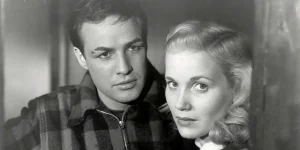
- A Streetcar Named Desire (1951)
- Mutiny on the Bounty (1962)