The Green Knight is a slow-burning, atmospheric, and deliberately ambiguous retelling of a classic Arthurian legend. Directed by David Lowery, the film is less interested in heroic glory and more focused on identity, mortality, honor, and fear. It’s a movie that asks questions instead of giving comfortable answers—and then dares you to sit with them.
Detailed Summary
The World of Camelot and an Unready Knight
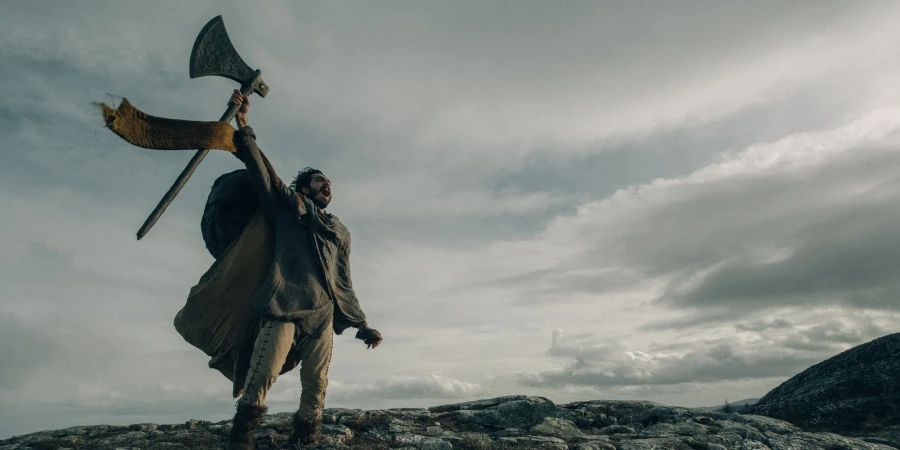
The film centers on Sir Gawain, nephew of King Arthur. Unlike the legendary knights around him, Gawain is not a hero yet. He drinks, avoids responsibility, and lives in the shadow of greatness. On Christmas Day, King Arthur asks Gawain to share a story of his own deeds—and he has none. This moment quietly establishes the film’s central conflict: what does it mean to earn honor rather than inherit it?
The Green Knight’s Challenge
During the Christmas feast, a mysterious supernatural figure known as the Green Knight arrives. He proposes a game: any knight may strike him once, but must accept a return blow one year later at the Green Chapel. Gawain accepts the challenge and beheads the Green Knight—only for the creature to calmly pick up his head and remind Gawain to meet him in a year.
This moment reframes heroism as something terrifying rather than glorious.
The Journey Begins
As the year passes, Gawain reluctantly sets out to fulfill his promise. His journey is episodic and symbolic, filled with strange encounters:
- Thieves rob him and leave him humiliated.
- A ghost asks him to retrieve her severed head.
- He meets giants walking silently across the land.
- He stays with a mysterious lord and lady who test his honesty, desire, and fear of death.
Each encounter strips away Gawain’s romantic ideas of knighthood and replaces them with doubt.
The Green Girdle
Gawain receives a magical green girdle said to protect him from death. He hides it, breaking a promise he made to be truthful. This small lie becomes the emotional and moral core of the film: is survival more important than honor?
Movie Ending
At the Green Chapel, Gawain finally meets the Green Knight. As he kneels, terrified, the Knight raises his axe—but pauses. This happens repeatedly, each time exposing Gawain’s fear and lack of readiness.
Then the film shifts into a vision of the future.
We see what happens if Gawain chooses cowardice and returns home:
- He becomes king, but a hollow one.
- He marries without love.
- His son dies in war.
- His kingdom falls.
- He dies alone, unloved, and remembered as dishonorable.
This imagined future is crucial. It shows that avoiding death leads to a spiritual failure far worse than dying honorably.
Gawain returns to the present moment and makes his choice. He removes the green girdle, accepts his fate, and finally speaks honestly. The Green Knight smiles and says, “Well done, my brave knight.”
The film cuts to black before the axe falls.
This ending is intentionally ambiguous, but the meaning is clear: Gawain has already succeeded. Whether he lives or dies no longer matters—he has become worthy.
Are There Post-Credits Scenes?
No. The Green Knight does not include any post-credits or mid-credits scenes. The story ends exactly where it needs to, and the silence afterward is part of the experience.
Type of Movie
The Green Knight is a fantasy drama with strong elements of arthouse cinema and psychological exploration. It prioritizes mood, symbolism, and moral inquiry over action or traditional storytelling.
Cast
- Dev Patel as Sir Gawain
- Alicia Vikander as Essel / The Lady
- Joel Edgerton as The Lord
- Sean Harris as King Arthur
- Kate Dickie as Queen Guinevere
- Ralph Ineson as The Green Knight
- Sarita Choudhury as Morgan le Fay
Film Music and Composer
The score is composed by Daniel Hart, whose music blends medieval tones with unsettling, modern textures. The soundtrack reinforces the film’s themes of dread, destiny, and inevitability, often letting silence do as much work as sound.
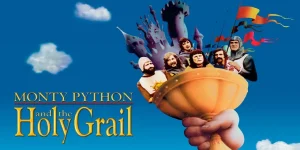
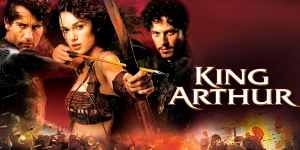
Filming Locations
The film was shot primarily in Ireland, using natural landscapes to create an ancient, mythic atmosphere. Forests, cliffs, and open plains are not just backgrounds—they reflect Gawain’s internal journey, emphasizing isolation, vulnerability, and insignificance in the face of nature and fate.
Awards and Nominations
- Nominated for Best Film at the Independent Spirit Awards
- Nominated for Best Cinematography and Best Score at various critics’ associations
- Frequently appeared on critics’ lists for Best Films of 2021
While it didn’t dominate major award shows, it earned strong critical respect.
Behind the Scenes Insights
- David Lowery based much of the dialogue directly on the original medieval poem.
- Dev Patel described the role as physically and emotionally exhausting due to long takes and minimal dialogue.
- Many scenes relied on natural lighting to enhance realism and discomfort.
- The Green Knight’s voice and movement were designed to feel ancient rather than monstrous.
Inspirations and References
- Based on the 14th-century poem “Sir Gawain and the Green Knight”
- Influenced by Ingmar Bergman’s The Seventh Seal (1957) in its treatment of death
- Draws from medieval religious symbolism and existential philosophy
Alternate Endings and Deleted Scenes
No fully alternate ending has been released, but interviews confirm that:
- Some dream sequences were shortened or removed
- The final moment was intentionally left unresolved to avoid a conventional payoff
Lowery has stated that certainty would weaken the story.
Book Adaptations and Differences
The original poem presents Gawain as more confident and traditionally heroic. The film reimagines him as deeply flawed and insecure. The movie emphasizes internal struggle far more than the source material, transforming a chivalric tale into a meditation on fear and self-worth.
Memorable Scenes and Quotes
Key Scenes
- The Green Knight entering Camelot
- Gawain’s imagined future as king
- The final kneeling at the Green Chapel
Iconic Quotes
- “Is this all there is?”
- “What else ought there be?”
- “Well done, my brave knight.”
Easter Eggs and Hidden Details
- The color green subtly dominates scenes involving temptation and survival
- The giants mirror illustrations from medieval manuscripts
- Morgan le Fay’s spells suggest she orchestrated the entire journey
Trivia
- Dev Patel was also a producer on the film
- The Green Knight’s costume weighed over 40 pounds
- The poem’s original language influenced the film’s rhythm and pacing
Why Watch?
Watch The Green Knight if you want:
- A thought-provoking fantasy rather than a heroic power fantasy
- A film that rewards patience and interpretation
- A story about becoming worthy, not being chosen
This is not a movie about winning—it’s about understanding what truly matters.
Director’s Other Works
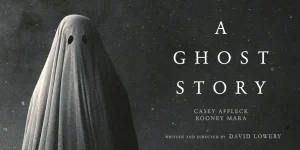
- A Ghost Story (2017)
- Pete’s Dragon (2016)
- Ain’t Them Bodies Saints (2013)
- The Old Man & the Gun (2018)