
Directors obsess over long take shots for good reason. These continuous, unbroken sequences create an immersive viewing experience that draws audiences deeper into the story. When a camera glides through a scene without cutting, viewers feel present in the moment rather than observing from a distance.
Single-shot sequences demand technical precision and creative vision. They showcase a filmmaker’s ability to choreograph actors, camera movement, and lighting in perfect harmony. As streaming platforms and theatrical releases compete for attention, these ambitious sequences have become signature moments that audiences remember long after the credits roll.
What Makes Long Take Shots So Captivating
Long take cinematography transforms passive watching into active engagement. Without edits to hide imperfections, viewers witness the raw talent of performers and crew working in synchronized motion. This authenticity creates emotional connections that rapid cuts cannot replicate.
Continuous shots also manipulate time and space in unique ways. A single unbroken sequence can compress hours into minutes or stretch seconds into intense, suspenseful experiences. Directors use this temporal flexibility to control pacing and build tension organically.
Moreover, these extended sequences establish spatial geography that helps audiences understand physical relationships between characters and environments. When the camera moves through doorways, down hallways, or across streets without interruption, viewers mentally map the location naturally.

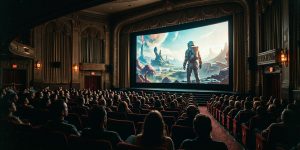
Technical Challenges Behind Unbroken Camera Sequences
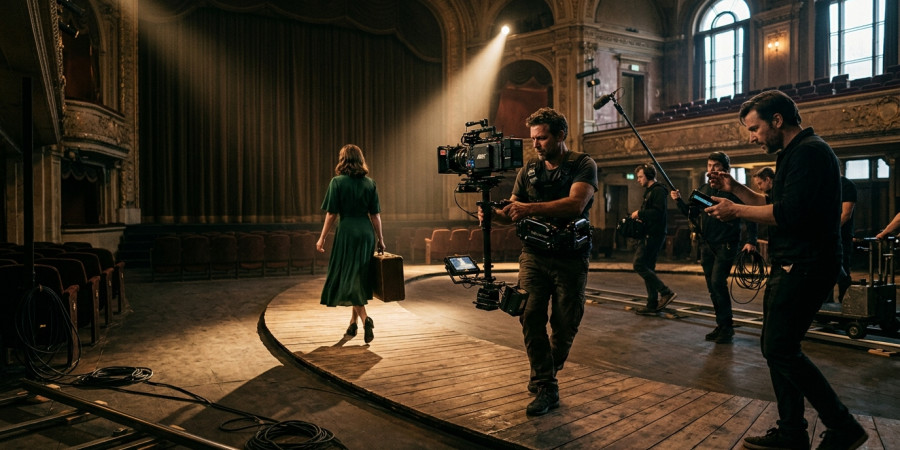
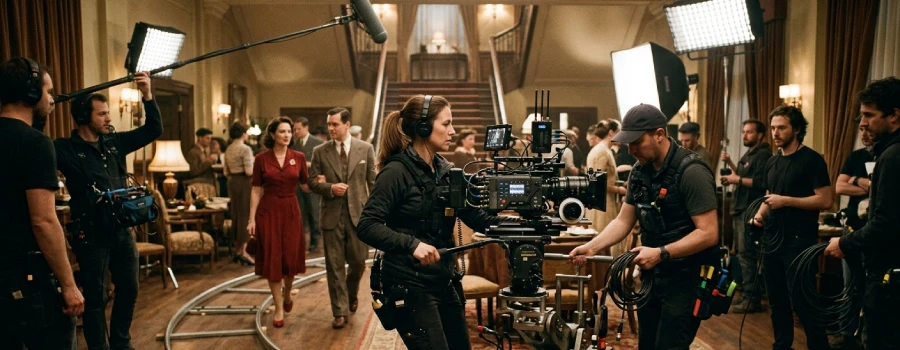
Creating seamless long takes requires meticulous planning and rehearsal. Every department must coordinate perfectly because a single mistake forces the entire sequence to restart. Actors memorize extensive blocking and dialogue while crew members execute complex camera movements simultaneously.
Cinematographers face unique obstacles with continuous shot filmmaking. They must design lighting that works from every angle as the camera travels through the scene. Sound teams hide microphones strategically since traditional boom placement becomes impossible during certain movements.
Essential Elements for Successful Extended Takes
Directors rely on specific techniques to pull off these ambitious sequences:
- Precise camera choreography using dollies, Steadicams, or drone technology
- Exhaustive rehearsals with all departments working together
- Strategic blocking that guides viewer attention without obvious manipulation
- Digital stitching techniques that hide invisible cuts in seemingly unbroken shots
- Backup plans for different take lengths when full sequences prove too difficult
Iconic Examples That Changed Cinema
Several films have pushed the boundaries of what single-shot cinematography can achieve. These groundbreaking examples inspired countless filmmakers to experiment with extended sequences in their own work.
Alfred Hitchcock’s Rope pioneered the concept by disguising cuts within continuous action. While not truly unbroken, the film’s ambition laid groundwork for future innovations. Decades later, directors would use digital technology to eliminate even these hidden transitions.
Modern Masterpieces of Long Form Cinematography
Contemporary filmmakers have elevated the long take to new artistic heights:
- 1917 designed its entire narrative around the appearance of two continuous shots
- Birdman created the illusion of one unbroken sequence throughout the film
- Children of Men featured multiple extended action sequences that redefined intensity
- True Detective season one delivered a six-minute tracking shot that became legendary
Why Directors Choose Extended Shot Techniques
Filmmakers embrace one-shot sequences for both artistic and practical reasons. These techniques serve storytelling purposes that traditional editing cannot accomplish as effectively.
Extended takes eliminate editorial manipulation, forcing viewers to experience events in real time. This approach creates authenticity that resonates with audiences tired of over-edited spectacles. Characters feel more genuine when their performances unfold without interruption.
Additionally, long take shots demonstrate directorial confidence and crew competence. Studios and critics recognize the difficulty involved, lending prestige to projects featuring ambitious continuous sequences. Film festivals and awards ceremonies frequently celebrate these technical achievements.
Storytelling Benefits of Uninterrupted Action
Beyond technical showmanship, continuous camera work enhances narrative in specific ways. Suspense builds naturally when viewers cannot rely on cuts to provide relief or misdirection. Action sequences gain clarity because spatial relationships remain consistent throughout.
Character development also benefits from unbroken observation. Subtle emotional shifts become visible when cameras linger on performances without cutting away. Consequently, audiences develop stronger connections with protagonists experiencing uninterrupted journeys.
Digital Technology and Hidden Cuts
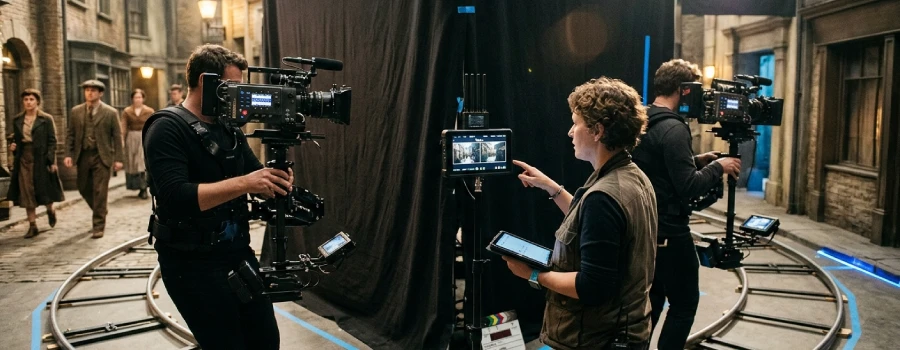
Modern filmmaking tools have revolutionized what appears possible in single-shot sequences. Visual effects artists can stitch multiple takes together seamlessly, creating the illusion of impossibly long continuous shots.
Digital compositing allows directors to hide transitions during camera movements or when obscuring objects pass through the frame. Audiences remain unaware of these invisible edits, believing they’ve witnessed truly unbroken action. This hybrid approach provides safety nets while maintaining the aesthetic impact of legitimate long takes.
However, purists debate whether digitally stitched sequences deserve the same recognition as authentic continuous shots. Some argue the technical achievement matters less than the final viewing experience. Others maintain that genuine long takes require greater skill and merit special acknowledgment.
Planning and Rehearsal Requirements
Successful extended sequences demand extensive preparation before cameras roll. Production teams spend days or weeks perfecting choreography that must execute flawlessly in a single take.
Directors create detailed shot lists and floor plans mapping every movement. Cast members rehearse until blocking becomes second nature, freeing them to focus on emotional performance. Meanwhile, camera operators practice movements repeatedly to ensure smooth execution.
Common Obstacles During Production
Despite careful planning, challenges inevitably arise:
- Timing discrepancies between actor performance and camera movement
- Lighting inconsistencies as scenes progress through different spaces
- Background extras breaking character or missing marks
- Equipment malfunctions during otherwise perfect takes
- Weather changes affecting outdoor sequences

The Future of Continuous Shot Cinema
Virtual production and emerging technologies promise to expand possibilities for long take filmmaking. LED volume stages allow complex camera movements through digitally created environments without limitations of physical sets. Remote-controlled camera systems enable shots that would endanger human operators.
Artificial intelligence may soon assist with planning by simulating sequences digitally before physical production begins. Directors could test different choreography options virtually, saving time and money during actual filming. Nevertheless, the human artistry behind these sequences will remain irreplaceable.
Streaming platforms continue investing in prestige projects featuring ambitious cinematography. This financial support encourages directors to experiment with extended sequences that might seem too risky for traditional theatrical releases.
Why These Sequences Will Endure
Long take shots represent cinema at its most powerful and immediate. They remind us that filmmaking combines technical mastery with artistic vision in ways few other mediums can match. As technology evolves, directors will discover new methods to create these mesmerizing sequences.
For cinephiles, watching a perfectly executed continuous shot provides unmatched satisfaction. These moments showcase why we love movies: the magic of seeing impossible coordination unfold seamlessly before our eyes.
Start paying attention to extended sequences in your next viewing session. Notice how they manipulate your emotions differently than traditional editing. You’ll develop a deeper appreciation for the craft and artistry behind every frame.