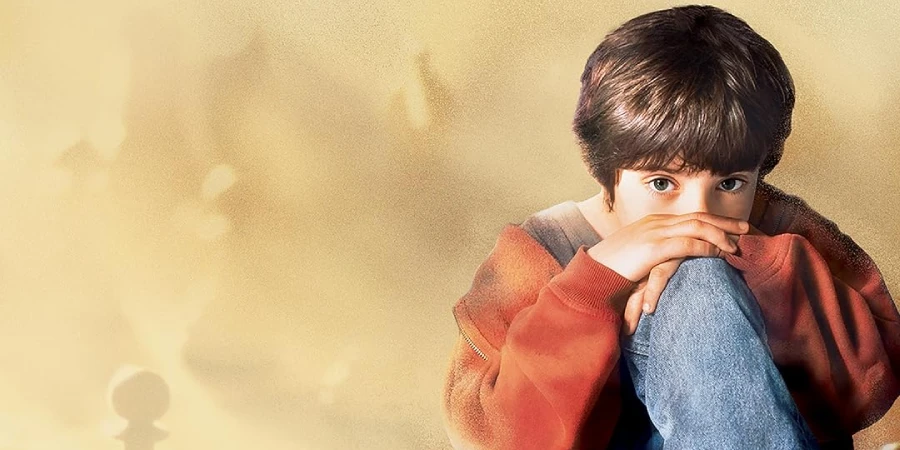

Searching for Bobby Fischer (1993), directed by Steven Zaillian, is one of the most emotionally intelligent sports dramas ever made—quiet, thoughtful, and surprisingly tense for a film about chess.
Detailed Summary
Josh Waitzkin’s Gift Reveals Itself
Young Josh Waitzkin, living in New York with his parents, unexpectedly displays a natural talent for chess after watching speed chess players in Washington Square Park. His parents initially treat it as a hobby, but his skill quickly proves to be far beyond ordinary.
The film sets up a central conflict early on: how do you nurture a prodigy without destroying the child inside the prodigy?
Enter Bruce Pandolfini – The Mentor with a Shadow
Josh begins lessons with chess instructor Bruce Pandolfini (Ben Kingsley). Bruce is brilliant but haunted by the legacy of Bobby Fischer, and he fears Josh will repeat Fischer’s psychological downfall if not trained with discipline and emotional detachment.
Bruce pushes Josh to be ruthless, controlled, and unemotional—values that contrast sharply with Josh’s natural warmth and compassion.
Street Chess vs. Classical Chess – The Identity Struggle
Josh is caught between two worlds:
- Vinnie (Laurence Fishburne), a charismatic speed-chess hustler in the park, teaches Josh improvisation and joy.
- Bruce, who trains him with discipline, theory, and structure.
Josh, torn between these philosophies, struggles with pressure, fear of losing, and the weight of adult expectations.
The Tournament Pressure Cooker
As Josh enters increasingly competitive tournaments, his father—initially enthusiastic—begins pushing too hard. Josh becomes anxious, even refusing to play at times.
The movie masterfully explores the idea that winning becomes dangerous when the joy of the game disappears.

Movie Ending
The film’s climax occurs during the national championship match between Josh and his strongest rival, Jonathan Poe, a highly disciplined prodigy who embodies the cold, machine-like version of greatness Bruce fears for Josh.
During the match, Josh begins by playing aggressively, matching Poe’s intensity. But as the tension escalates, he has an important realization: he can win without sacrificing compassion, joy, or his identity.
Late in the match, Josh finds a brilliant combination that guarantees victory several moves ahead. Instead of crushing Poe mercilessly, Josh does something unusual for competitive chess:
He offers Poe a draw, sparing him the humiliation of defeat. Poe rejects it out of pride, so Josh executes the combination flawlessly and wins the championship.
The emotional resolution is multilayered:
- Josh proves he can be great without becoming Fischer, which has been the core fear of both Bruce and his parents.
- Bruce recognizes Josh’s balance of heart and mastery—something Fischer never achieved.
- Josh’s family learns that loving support matters more than trophies.
- Josh reaffirms that chess is something he loves, not something that controls him.
The film ends with Josh returning to the park to play chess with Vinnie, no longer burdened by pressure, showing that he has found equilibrium between competition and joy.
Are There Post-Credits Scenes?
No. Searching for Bobby Fischer does not have mid-credits or post-credits scenes.
Type of Movie
The film is a thoughtful biographical sports drama that blends real-life events with emotional storytelling. It’s not really about chess—it’s about childhood, pressure, talent, and the cost of ambition.
Cast
- Max Pomeranc as Josh Waitzkin
- Ben Kingsley as Bruce Pandolfini
- Joe Mantegna as Fred Waitzkin
- Joan Allen as Bonnie Waitzkin
- Laurence Fishburne as Vinnie
- William H. Macy as Jonathan Poe’s father
- David Paymer as Tournament Director
Film Music and Composer
The evocative score is composed by James Horner, known for his emotional and melodic orchestral work. The music subtly enhances key moments—especially Josh’s psychological struggles—without overwhelming the film’s quiet tone.

Filming Locations
- New York City, USA – Nearly the entire film is shot in NYC.
- Washington Square Park represents the freedom and creativity of street chess culture.
- Interior sets in Manhattan reflect Josh’s home life, structured and supportive but full of pressure.
The city itself mirrors the contrast between discipline and chaos—perfect for Josh’s internal conflict.
Awards and Nominations
While not a blockbuster, the movie received critical acclaim and several nominations, including:
- Academy Award nomination for Best Cinematography
- Young Artist Award wins
- Multiple critic association nominations for screenplay and performances
Behind the Scenes Insights
- Max Pomeranc, who plays Josh, was actually a nationally ranked chess player when cast.
- Ben Kingsley studied real chess pedagogy to portray Bruce authentically.
- The real Josh Waitzkin visited the set and advised on chess realism.
- Steven Zaillian insisted on natural lighting and restrained camera work to maintain intimacy and authenticity.
- Laurence Fishburne improvised several of Vinnie’s lines, adding humor and spontaneity.
Inspirations and References
- Based on Fred Waitzkin’s book Searching for Bobby Fischer: The Father of a Prodigy Observes the World of Chess.
- The story parallels the real chess world of the 1980s and 1990s, including the mythos around Bobby Fischer’s genius and psychological breakdown.
- Themes draw from broader sports psychology literature concerning childhood pressure and burnout.
Alternate Endings and Deleted Scenes
There are no publicly known alternate endings. However:
- Several tournament sequences were shortened for pacing.
- A longer conversation between Bruce and Josh about Fischer was filmed but cut.
- Extended scenes of Josh playing in the park with Vinnie existed but were trimmed to keep focus on the family dynamic.
Book Adaptation and Differences
Key differences:
- The book is more reflective and philosophical; the film adds dramatic tension and rivalry for narrative weight.
- Jonathan Poe, Josh’s fictional rival, is a composite character created for the movie.
- The book focuses more on Fred Waitzkin’s internal struggle as a father, whereas the film shifts the emotional center onto Josh.

Memorable Scenes and Quotes
Key Scenes
- Josh first watching the speed chess hustlers and mimicking their moves.
- Vinnie teaching Josh unconventional, playful strategies.
- Bruce demanding Josh cut ties with Vinnie, igniting major emotional conflict.
- Josh losing intentionally to avoid pressure—showing the weight of expectation.
- The final championship match where Josh offers Poe a draw despite knowing he can win.
Iconic Quotes
- “He’s better at this than I’ve ever been at anything in my life.” – Fred
- “Don’t move until you see it.” – Bruce
- “You have to have contempt for your opponent.” – Bruce
- “But I don’t.” – Josh
- “It’s not about winning. It’s about playing.” – Vinnie
Easter Eggs and Hidden Details
- Many extras in the chess tournaments are real chess players.
- Josh’s real-life father has a cameo as one of the spectators.
- The speed-chess clock sounds were recorded directly from Washington Square Park to maintain authenticity.
- The film subtly mirrors Bobby Fischer’s biography through lighting, framing, and dialogue references.
Trivia
- Max Pomeranc did most of the chess sequences without a double.
- Steven Zaillian made his directorial debut with this film.
- The park chess scenes were shot during real speed-chess activity, requiring careful coordination.
- Several professional chess consultants ensured that every board position in the film is legal—a rarity in cinema.
Why Watch?
Because it’s one of the few films that treats childhood genius with empathy instead of exploitation, exploring the pressures that come with talent. It’s also one of the most emotionally resonant and realistic sports dramas, even if you know nothing about chess. The performances—especially from the child actors—remain understated and deeply human.
Director’s Other Works
- A Civil Action (1998)
- Moneyball (2011) – screenplay
- The Irishman (2019) – screenplay
Recommended Films for Fans
- Queen of Katwe (2016)
- The Pursuit of Happyness (2006)
- Finding Forrester (2000)
- Little Man Tate (1991)