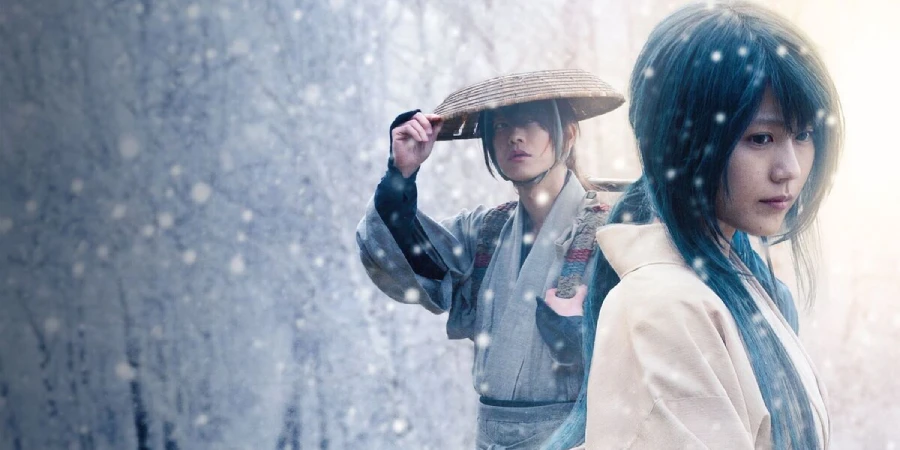

Rurouni Kenshin: The Beginning is a dramatic, tragic, and deeply human samurai film that rewinds the clock to tell the origin story of Himura Kenshin. Unlike the more action-driven entries in the franchise, this chapter is slower, darker, and emotionally heavier. It is less about flashy sword fights and more about how a man becomes a legend—and what it costs him.
This film is best experienced knowing it fully embraces spoilers, so let’s not hold back.
Detailed Summary
Kenshin as Battōsai the Manslayer
The film opens during the final years of the Tokugawa shogunate. Kenshin is introduced not as a wandering pacifist, but as Battōsai, the feared assassin of the revolution. He is efficient, emotionless, and haunted even at this early stage. Each kill pushes Japan closer to a new era, but pulls Kenshin further away from his humanity.
The Fateful Meeting with Tomoe
After a mission goes wrong, Kenshin collapses from his injuries and is rescued by Yukishiro Tomoe, a quiet and mysterious woman. She nurses him back to health at an isolated countryside inn. Their relationship begins cautiously, built more on silence than words, but slowly evolves into something tender and sincere.
What Kenshin does not know is that Tomoe is connected to a man he killed in the past, and her presence in his life is not entirely accidental.
Love, Guilt, and the Illusion of Peace
Kenshin and Tomoe marry and attempt to live a peaceful life. These domestic scenes are intentionally slow and grounded, emphasizing what Kenshin could have been if not shaped by war. This portion of the film contrasts sharply with the bloodshed, making the eventual tragedy even more painful.
Tomoe, meanwhile, struggles with her own inner conflict: vengeance versus love.
The Trap and the Cross-Shaped Scar
Eventually, the truth comes out. Tomoe’s family was destroyed by the revolution, and Kenshin was the one who killed her fiancé. Though she initially sought revenge, she ultimately falls in love with Kenshin and cannot bring herself to betray him fully.
During a deadly ambush by anti-revolutionary forces, Tomoe sacrifices herself to save Kenshin. In the chaos, her blade accidentally cuts Kenshin’s face, forming the second half of his iconic cross-shaped scar. This moment is the emotional core of the entire franchise.
Birth of a Vow
Tomoe dies in Kenshin’s arms, forgiving him and freeing him from her hatred. The weight of her death breaks Kenshin completely. He abandons his role as an assassin and vows never to kill again, choosing instead to protect life as atonement for his sins.
This vow directly leads into the Kenshin we know from the earlier films.
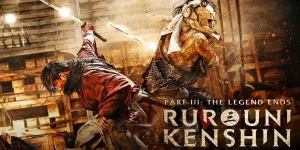

Movie Ending
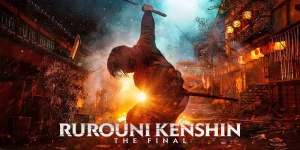
The film ends quietly and painfully. Kenshin survives the war and witnesses the dawn of the Meiji era, but victory brings him no peace. He buries Tomoe and leaves behind the life he briefly cherished.
Kenshin forges his identity as a wanderer, carrying both physical and emotional scars. His red hair, reversed-blade sword, and pacifist oath are not symbols of heroism, but of penance. The final scenes emphasize that Kenshin’s journey is not about redemption through glory, but through endless restraint and remembrance.
The ending deliberately mirrors the opening of Rurouni Kenshin (2012), closing the narrative loop of the entire live-action series.
Are There Post-Credits Scenes?
No. There are no post-credits or mid-credits scenes. The film ends definitively, reinforcing its role as the emotional and chronological starting point of the story.
Type of Movie
The Beginning is a historical samurai drama with strong elements of tragedy and romance. While it contains action, its primary focus is psychological depth, moral conflict, and emotional realism.
Cast
- Takeru Satoh as Himura Kenshin
- Kasumi Arimura as Yukishiro Tomoe
- Issey Takahashi as Katsura Kogoro
- Masanobu Ando as Okita Soji
- Yosuke Eguchi as Saito Hajime
Film Music and Composer
The score is composed by Naoki Satō, whose restrained and melancholic music plays a crucial role. The soundtrack avoids bombast, instead using subtle themes to reflect grief, love, and inevitability. Silence is often used as powerfully as music, enhancing the film’s emotional weight.
Filming Locations
The movie was filmed across Japan, including:
- Kyoto and Shiga Prefecture for historical streets and rural settings
- Studio sets designed to recreate late Edo-period Japan
These locations ground the story in realism, reinforcing the idea that Kenshin’s tragedy is inseparable from Japan’s violent transition into modernity.
Awards and Nominations
- Japan Academy Film Prize nominee for Best Cinematography
- Recognized for choreography and production design at Japanese film festivals
While not a major awards contender internationally, it was widely praised for its serious tone and mature storytelling.
Behind the Scenes Insights
- The director intentionally minimized CGI to create a grounded, realistic feel
- Takeru Satoh trained extensively to make Kenshin’s movements more brutal and less heroic
- The film was shot back-to-back with The Final to maintain emotional continuity
- Many scenes were filmed in natural light to emphasize authenticity
Inspirations and References
- Based on the manga Rurouni Kenshin by Nobuhiro Watsuki
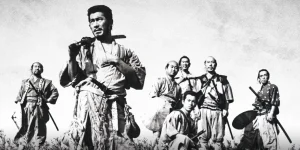
- Heavily inspired by classic Japanese jidaigeki films
- The tone reflects themes from Japanese literature about guilt, war, and impermanence
Alternate Endings and Deleted Scenes
No alternate ending has been released. Some deleted scenes reportedly expanded Tomoe’s internal struggle, but were removed to preserve pacing and narrative focus.
Book Adaptations and Differences
While faithful to the manga’s Jinchū Arc backstory, the film:
- Reduces political exposition
- Portrays Kenshin as more emotionally distant
- Expands Tomoe’s role, giving her greater emotional agency
The film opts for emotional realism over stylized drama, setting it apart from the source material.
Memorable Scenes and Quotes
Key Scenes
- Kenshin’s first assassination as Battōsai
- Kenshin and Tomoe’s silent married life
- The ambush that leads to Tomoe’s death
- Kenshin carving his vow never to kill
Iconic Quotes
- “If living means taking lives, then I have no right to live.”
- “Your sins are heavy. That is why you must keep walking.”
Easter Eggs and Hidden Details
- Kenshin’s cross-shaped scar is shown forming in two separate incidents
- The reversed-blade sword is absent, emphasizing this is pre-redemption
- Costume colors subtly shift from dark to muted earth tones as Kenshin changes
Trivia
- This is the darkest film in the franchise
- It features fewer fight scenes than any other Kenshin movie
- The runtime is intentionally slower to mirror Kenshin’s emotional state
- Many fans consider it the most faithful adaptation emotionally
Why Watch?
If you want spectacle, this may not be your favorite Kenshin film.
If you want meaning, heartbreak, and a character study about violence and remorse, this is essential viewing. It transforms the entire franchise into a tragedy rather than a simple action saga.
Director’s Other Works
- Rurouni Kenshin (2012)
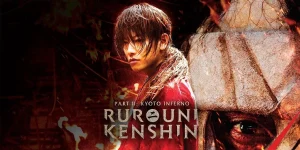
- Rurouni Kenshin: Kyoto Inferno (2014)
- Rurouni Kenshin: The Legend Ends (2014)
- Rurouni Kenshin: The Final (2021)
- Platinum Data (2013)
Recommended Films for Fans
- The Twilight Samurai (2002)
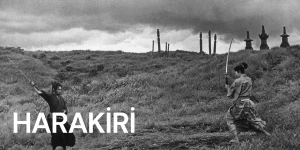
- Harakiri (1962)
- Blade of the Immortal (2017)
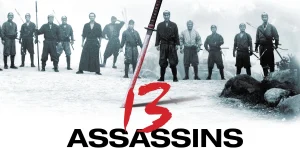
- 13 Assassins (2010)