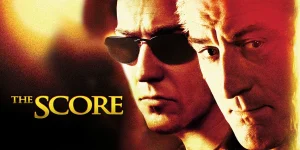

When Marlon Brando mumbled his way through A Streetcar Named Desire, he didn’t just deliver a performance. He revolutionized acting forever. Method acting history began its modern chapter in that moment, transforming how actors approach their craft. This immersive technique has shaped generations of performers, from intensity-driven legends to today’s Oscar winners. In this post, we’ll trace the evolution of method acting from its explosive origins to its current manifestations in contemporary cinema.
The Origins of Method Acting Techniques
The method acting approach didn’t emerge from nowhere. It evolved from the teachings of Russian theatre practitioner Konstantin Stanislavski in the early 20th century. His system encouraged actors to draw from personal experiences to create authentic emotional responses. However, the technique truly exploded when Lee Strasberg adapted these principles at the Actors Studio in New York during the 1940s.
Strasberg’s interpretation became what we now recognize as method acting. He pushed actors to access their deepest emotions through sense memory and affective memory exercises. Consequently, performances became rawer and more psychologically complex. The technique demanded total immersion into a character’s psychological landscape.

Marlon Brando: The Method Acting Pioneer
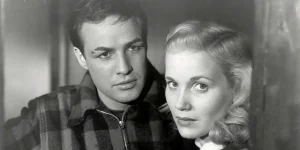
Marlon Brando became the poster child for this revolutionary approach. His 1951 performance as Stanley Kowalski showcased method acting’s transformative power. Brando brought unprecedented naturalism to the screen, replacing theatrical gestures with genuine emotional vulnerability. Moreover, his work in On the Waterfront and The Godfather cemented method acting as the gold standard.
Brando’s influence extended beyond his own performances. He inspired an entire generation to embrace emotional truth over technical perfection. His mumbling delivery, spontaneous movements, and intense preparation became hallmarks of serious acting. Therefore, aspiring actors flocked to the Actors Studio to learn these groundbreaking techniques.
The Golden Age of Method Acting in Hollywood
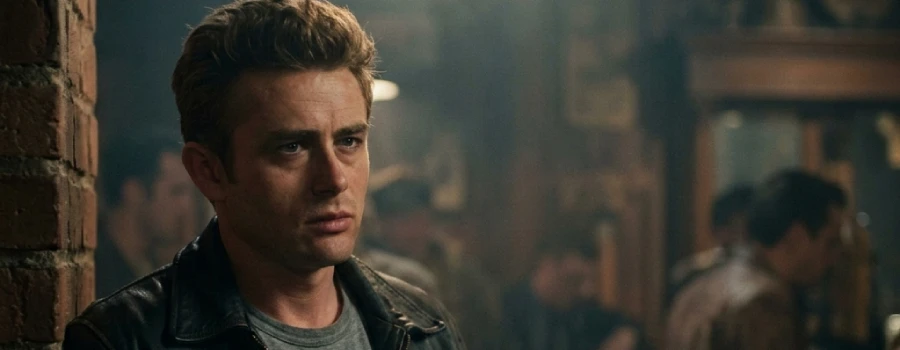
The 1950s through 1970s represented the peak of method acting history. Stars like James Dean, Montgomery Clift, and Paul Newman brought the technique to mainstream audiences. Dean’s tortured performances in Rebel Without a Cause epitomized method acting’s emotional intensity. His brief career left an indelible mark on American cinema.
Similarly, Robert De Niro took method acting to extreme levels in the 1970s. For Raging Bull, he gained 60 pounds to portray an aging boxer. In Taxi Driver, he drove real cabs to understand his character’s isolation. These method acting examples demonstrated the technique’s demands. Additionally, Al Pacino’s explosive performances in The Godfather series showcased method acting’s theatrical power.
Female Method Actors Breaking Barriers
Method acting wasn’t exclusively male territory. Meryl Streep, Gena Rowlands, and Ellen Burstyn proved women could master the technique brilliantly. Streep, trained at Yale Drama School, combined classical training with method principles. Her chameleon-like transformations demonstrated method acting’s versatility. Furthermore, she adapted the technique to serve character rather than ego.
Evolution of Method Acting Approaches
As decades passed, method acting techniques evolved beyond Strasberg’s strict interpretation. Stella Adler, another influential teacher, emphasized imagination over personal memory. She believed actors should research their characters’ circumstances rather than mining personal trauma. Consequently, her students developed a less psychologically taxing approach.
Sanford Meisner offered yet another variation through his repetition exercises. His technique focused on authentic reactions to scene partners rather than internal emotional excavation. This evolution of method acting created multiple pathways to truthful performance. Actors could choose the approach that suited their temperament and needs.
Contemporary Method Acting in Modern Cinema
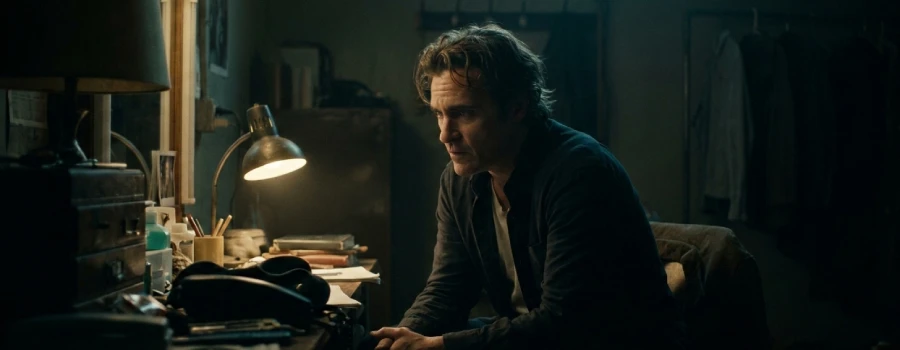
Today’s actors continue pushing method acting boundaries. Daniel Day-Lewis famously remains in character throughout entire productions. For Lincoln, he texted Paul Thomas Anderson in character for months. Christian Bale’s dramatic physical transformations for roles demonstrate extreme commitment. Meanwhile, Joaquin Phoenix’s unsettling preparation for Joker earned him an Oscar.
However, modern method acting faces increased scrutiny. Critics question whether extreme methods justify potential harm to actors or colleagues. Jared Leto’s reported behavior on Suicide Squad sparked debates about professionalism versus immersion. As a result, conversations about method acting techniques now include discussions about boundaries and mental health.
The Digital Age and Method Acting
Technology has transformed how actors prepare for roles. Research happens online rather than through library visits. Social media provides insight into diverse lives and experiences. Nonetheless, the core principle remains unchanged: seeking emotional truth through character immersion.
Streaming platforms have also democratized access to method acting training. Online masterclasses from legends like Helen Mirren and Samuel L. Jackson reach global audiences. Aspiring actors study classic performances frame by frame. In contrast to earlier generations, today’s performers have unprecedented access to method acting’s history and techniques.
Criticisms and Controversies Surrounding Method Acting
Not everyone celebrates method acting’s legacy. Some directors find the approach self-indulgent and impractical. Laurence Olivier famously asked Dustin Hoffman, “Why don’t you just try acting?” when Hoffman stayed awake for days for Marathon Man. This anecdote highlights ongoing tensions between technical and method approaches.
Additionally, concerns about mental health have intensified. Heath Ledger’s tragic death following his intense Dark Knight performance raised questions about method acting’s psychological costs. While correlation doesn’t equal causation, the entertainment industry now discusses these risks more openly. Furthermore, intimacy coordinators and mental health resources have become standard on sets.
The Future Landscape of Performance Technique
Method acting history continues unfolding in fascinating directions. Young actors blend multiple techniques rather than adhering to one school. They might use Meisner exercises one day and Adler’s imagination work the next. This eclectic approach reflects broader cultural shifts toward customization and flexibility.
Motion capture technology presents new challenges for method actors. Performing in green screen environments requires imagination that even Stella Adler couldn’t have anticipated. Nevertheless, actors like Andy Serkis prove method principles apply even when playing digital creatures. His emotionally complex Gollum demonstrated that truth transcends technology.
Why Method Acting Still Matters Today
Despite controversies and evolution, method acting techniques remain relevant because they prioritize authenticity. Audiences crave genuine emotion in an increasingly artificial world. Method acting provides tools for accessing that truth, whether through Strasberg’s emotional memory or Adler’s imagination.
The technique has influenced acting globally, not just in Hollywood. International cinema embraced method principles, creating culturally specific variations. From Bollywood to Korean cinema, actors pursue emotional truth through intensive preparation. This worldwide adoption confirms method acting’s fundamental value.
Moreover, method acting raised performance standards across the industry. Even actors who don’t identify as method practitioners benefit from its emphasis on preparation and authenticity. The technique established psychological depth as essential to great acting. In this way, Brando’s legacy extends far beyond his own performances.
Where Performance Goes From Here
The journey from Brando’s revolutionary naturalism to today’s diverse approaches reveals acting’s constant evolution. Method acting history isn’t just about one technique—it’s about the ongoing pursuit of truth in performance. As cinema changes, so will the methods actors use to create believable characters.
Whether you’re an aspiring actor or passionate cinephile, understanding this evolution enriches your appreciation of screen performances. Next time you watch a transformative performance, consider the preparation behind those moments. Think about the legacy stretching from Stanislavski through Brando to today’s Oscar winners.