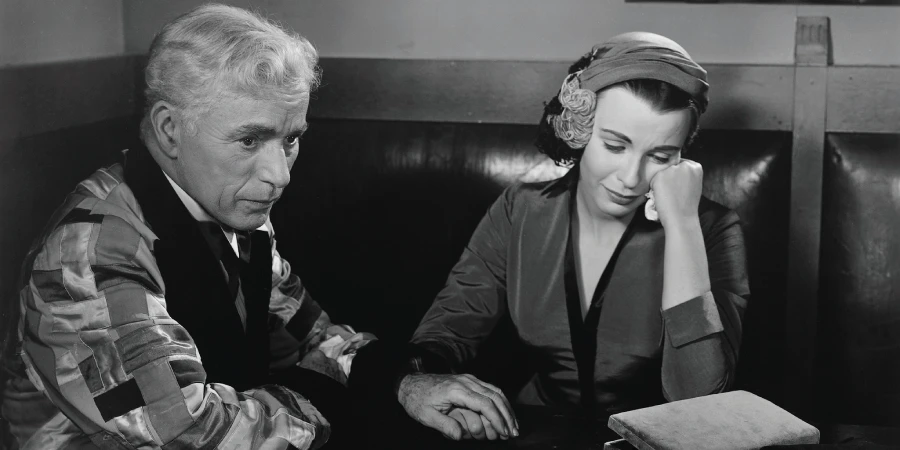

Limelight (1952) is one of Charlie Chaplin’s most personal, melancholic, and philosophically rich films. It is not just a movie about a fading clown—it is a meditation on art, purpose, mortality, and the fear of becoming irrelevant. Chaplin poured his own anxieties into this film, making it feel almost autobiographical.
Detailed Summary
A Fading Star: Calvero’s Decline
Calvero, once a famous music hall clown, now lives in obscurity in London. His jokes no longer land, his performances are forgotten, and alcoholism has replaced applause. Early scenes establish the painful reality of an artist past his prime, mirroring Chaplin’s own fears about aging and relevance.
The Rescue of Thereza
Calvero discovers his neighbor, Thereza “Terry” Ambrose, unconscious after a suicide attempt. She is a young ballerina who believes she is permanently paralyzed after a nervous breakdown ended her career. Calvero saves her life, not just physically but emotionally, becoming her caretaker and mentor.
Healing Through Belief
Doctors confirm Terry’s paralysis is psychological, not physical. Calvero uses encouragement, humor, and belief to help her recover. Through this process, the roles reverse: the broken clown becomes a healer, while the hopeless dancer finds renewed purpose.
Love, Admiration, and Distance
Terry falls in love with Calvero, seeing him as her savior. Calvero, however, refuses her affection—not out of cruelty, but because he believes his time has passed and she deserves a future unburdened by his decline.
The Return to the Stage
Calvero is offered a chance to perform again. Initially terrified, he eventually accepts. Terry regains her ability to dance and becomes successful, while Calvero struggles with stage fright, illness, and self-doubt. Their careers rise in opposite directions, reinforcing the film’s theme of life as a passing spotlight.
Movie Ending
The final act is both triumphant and heartbreaking.
Calvero performs one last time in a benefit show alongside another old vaudeville performer, played by Buster Keaton—his only on-screen appearance with Chaplin. Their silent comedy routine is wildly successful, earning roaring laughter and applause. For a brief moment, Calvero is whole again. He is seen, valued, and loved by the audience.
However, backstage, Calvero collapses from a heart attack.
Meanwhile, Terry performs a ballet on stage. She dances beautifully, unaware at first that Calvero is dying nearby. As the applause swells, Calvero listens from the wings, smiling faintly. He hears the audience cheering—not for him, but for Terry—and feels content knowing he helped her reach this moment.
Calvero dies quietly as Terry dances under the spotlight.
The final image is devastatingly poetic: the clown fades into darkness as the dancer moves into the light. The cycle of art continues. One generation exits as another takes its place. The film closes not with despair, but with acceptance.
Are There Post-Credits Scenes?
No. Limelight does not include any post-credits or mid-credits scenes. The ending is final, reflective, and intentionally uninterrupted.
Type of Movie
Limelight is a drama with strong comedic and romantic elements, blending tragedy and humor in the tradition of Chaplin’s silent-era masterpieces while embracing spoken dialogue and theatrical pacing.
Cast
- Charlie Chaplin as Calvero
- Claire Bloom as Thereza “Terry” Ambrose
- Buster Keaton as Old Stage Hand (uncredited)
- Nigel Bruce as Dr. Purcell
- Sydney Chaplin as Night Club Pianist
Film Music and Composer
The score was composed by Charlie Chaplin himself, featuring the haunting theme “Terry’s Theme”, which later won an Academy Award (ironically, decades after the film’s release). The music underscores the film’s emotional weight, often expressing what Calvero cannot say aloud.

Filming Locations
- Hollywood, California (studio sets)
The film recreates Edwardian London almost entirely on soundstages. This artificiality reinforces the theatrical nature of Calvero’s world—a place of curtains, spotlights, and illusions. - Chaplin Studios
Chaplin retained full creative control here, allowing him to craft the film exactly as he envisioned, without studio interference.
Awards and Nominations
- Academy Award – Best Original Dramatic Score (1973)
The award came 20 years late due to the film’s delayed Los Angeles release. - Multiple retrospective honors recognizing the film’s artistic legacy.
Behind the Scenes Insights
- Chaplin was exiled from the United States shortly after the film’s release, making Limelight his last American-made film.
- The casting of Buster Keaton was deeply symbolic: two silent-era giants sharing the screen one final time.
- Chaplin considered this film his most personal work.
- Claire Bloom was only 20 years old during filming and later described the experience as emotionally overwhelming.
Inspirations and References
- Chaplin’s own fears of aging and public rejection
- Vaudeville and music hall traditions
- Silent-era performance philosophy
- Existential ideas about purpose and impermanence
Alternate Endings and Deleted Scenes
No alternate ending was officially filmed. However, early drafts reportedly included a more explicit farewell between Calvero and Terry. Chaplin chose restraint instead, believing silence and implication were more powerful than dialogue.
Book Adaptations and Differences
The film was adapted into a novella written by Chaplin himself. The book delves deeper into Calvero’s inner monologue, making his despair more explicit, while the film relies more on performance and visual storytelling.


Memorable Scenes and Quotes
Key Scenes
- Calvero’s drunken monologues about fame and failure
- Terry’s first steps after believing she was paralyzed
- The Chaplin–Keaton vaudeville routine
- Calvero listening to applause from backstage
Iconic Quotes
- “Life is a desire, not a meaning.”
- “You must believe in yourself. That’s the secret.”
- “The world needs laughter.”
Easter Eggs and Hidden Details
- Calvero’s makeup subtly resembles Chaplin’s Tramp, but aged and broken
- The vaudeville routine mirrors real silent-era acts Chaplin and Keaton performed separately
- Posters in the background reference fictional shows inspired by Chaplin’s real career
Trivia
- Chaplin was 62 when he made the film
- The movie was a box office failure in the U.S. upon release
- Albert Einstein attended the film’s premiere
- The Oscar win made Chaplin the oldest recipient at the time
Why Watch?
Because it is one of cinema’s most honest reflections on aging, artistic identity, and letting go. It speaks to anyone who has ever feared being forgotten—or hoped that their work might outlive them.
Director’s Other Works
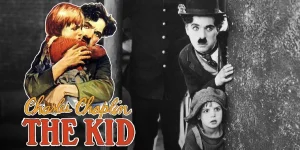
- The Gold Rush (1925)
- City Lights (1931)
- Modern Times (1936)
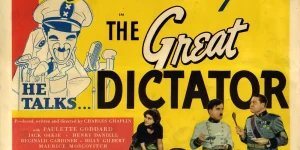
- The Great Dictator (1940)
- Monsieur Verdoux (1947)
Recommended Films for Fans
- Sunset Boulevard (1950)
- Ikiru (1952)
- All About Eve (1950)
- Birdman (2014)
- The Artist (2011)