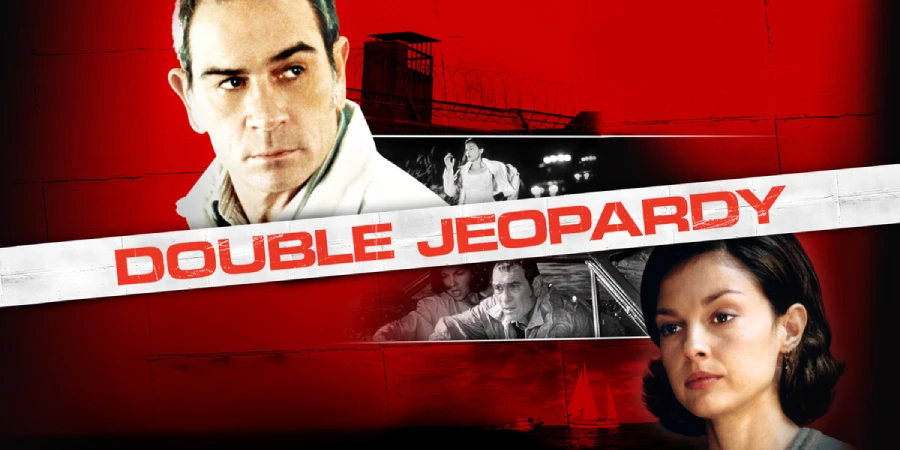

Double Jeopardy is a gripping 1999 thriller that explores betrayal, survival, and a clever twist on U.S. law. Directed by Bruce Beresford, the film combines suspense with emotional drama as a mother fights to reclaim her life after being framed for murder.
Detailed Summary
A Perfect Marriage—Or So It Seems
Libby Parsons (Ashley Judd) lives what appears to be an ideal life with her charming husband Nick (Bruce Greenwood) and their son, Matty. During a romantic sailing weekend, she wakes up covered in blood with Nick missing and presumed dead. With the knife in her hand and no one else around, she is quickly convicted of murder. This opening immediately establishes the central theme: a woman betrayed by the person she trusts most.
Prison: Discovery and Transformation
While in prison, Libby receives a shocking phone call from her young son. In the background, she hears Nick’s voice alive and well. Realizing she has been framed, Libby is no longer just a grieving widow; she becomes determined to find him. One inmate explains a legal loophole: you cannot be tried twice for the same crime, meaning if she ever found Nick, she could kill him and walk free. This conversation becomes the film’s most crucial turning point.
Release and Parole: The Hunt Begins
After years behind bars, Libby is paroled under the supervision of hard-edged officer Travis Lehman (Tommy Lee Jones). Libby’s relentless search for Nick takes her to New Orleans, where she becomes increasingly reckless. Lehman initially views her as a liar and threat, but gradually realizes she is telling the truth and is the real victim.
The Revelation of Nick’s New Life
Libby finally discovers that Nick faked his death, took their money, and started a new life under a different name. Even more disturbing: he used their son as leverage, forcing Libby to stay quiet or risk losing Matty forever. The stakes rise beyond legal revenge; this is about a mother fighting to get her child back.

Movie Ending
The climax occurs in a lavish New Orleans hotel where Libby confronts Nick. Feeling cornered, Nick tries to kill her again. Lehman, now convinced of her innocence, arrives but is shot by Nick. Libby ultimately gains the upper hand and kills Nick in self-defense. Because she was previously convicted of his murder, the act is protected legally—the “double jeopardy” loophole fully pays off. Authorities confirm she will not be prosecuted, and Lehman—now an unlikely ally—helps her reunite with her son.
The ending resonates because Libby does not simply seek revenge; she reclaims her identity, motherhood, and freedom. The murder plot becomes a story of emotional justice.
Are There Post-Credits Scenes?
No, Double Jeopardy does not include any post-credits scenes.
Type of Movie
The film is a crime thriller blended with emotional drama, using legal and suspense elements to explore betrayal, justice, and maternal determination.
Cast
- Ashley Judd as Libby Parsons
- Tommy Lee Jones as Travis Lehman
- Bruce Greenwood as Nick Parsons
- Annabeth Gish as Angie Green
- Roma Maffia as Margaret
- Jay Brazeau as Hibbing
Film Music and Composer
The score was composed by Normand Corbeil, whose music enhances the tension and emotional turmoil with restrained, suspense-driven melodies that reflect Libby’s transformation from victim to avenger.



Filming Locations
The movie was filmed in several real-world locations that visually anchor Libby’s journey:
- Washington State (USA) – Represents Libby’s seemingly perfect early life and emphasizes how quickly everything collapses.
- British Columbia (Canada) – Used extensively for prison and coastal scenes, offering a somber tone.
- New Orleans (Louisiana) – The chaotic, unpredictable setting mirrors the film’s climax and Nick’s deceptive lifestyle.
The geographic shift symbolizes Libby’s progression from innocence to empowerment.
Awards and Nominations
While not heavily decorated, Double Jeopardy was praised for its performances and remained a long-term box-office success. It earned a nomination for Best Actress (Ashley Judd) at the Blockbuster Entertainment Awards.
Behind the Scenes Insights
- The legal premise sparked debate; lawyers argued the film’s interpretation of “double jeopardy” was exaggerated but compelling for drama.
- Tommy Lee Jones drew on his U.S. Marshals and The Fugitive roles, though this character is intentionally more flawed and tired.
- Ashley Judd trained with real parole officers and inmates to portray post-prison behavior accurately.
- The boat sequence required a real yacht, which repeatedly suffered mechanical failures during filming.
Inspirations and References
The film takes loose thematic inspiration from true cases involving false convictions, though the specific storyline is fictional. It is not a legal textbook but uses real legal terminology as dramatic fuel, especially the “double jeopardy” concept.
Alternate Endings and Deleted Scenes
- An alternate version of the ending reportedly showed Nick arrested instead of being killed, but test audiences preferred a more cathartic conclusion.
- Deleted prison scenes provided more development for side characters, cut for pacing purposes.
Book Adaptations and Differences
Although not based on a novel, the film’s premise mirrors themes from the 1960s-70s crime novels focusing on wronged protagonists. The cinematic version prioritizes suspense and visual storytelling over legal accuracy.


Memorable Scenes and Quotes
Key Scenes
- Libby’s discovery that Nick is alive after hearing him on the phone.
- The prison scene where the “loophole” is explained.
- The hotel confrontation and final courtroom-like aftermath.
Iconic Quotes
- “You better lawyer up.” – Prison inmate explaining her future options.
- “Killing him isn’t murder. You’ve already been tried for it.”
- “I’m not losing my son again.” – Libby’s declaration of her true motive.
Easter Eggs and Hidden Details
- Nick frequently uses symbolic names tied to historical figures who faked deaths.
- Lehman’s alcoholism references a backstory of losing a former parolee, subtly motivating his redemption arc.
- The color palette subtly shifts from cold blues during prison scenes to warmer golds in New Orleans, symbolizing Libby’s emotional awakening.
Trivia
- Ashley Judd did many of her own stunts.
- Tommy Lee Jones reportedly improvised several gruff dialogue lines.
- The film grossed more than double its budget in its first month, becoming a sleeper hit.
Why Watch?
Because it offers a tightly woven narrative where a legal twist becomes a tool for emotional justice, led by compelling performances. Ashley Judd’s transformation from framed wife to strategic survivor is both satisfying and morally complex.
Director’s Other Movies
- Driving Miss Daisy (1989)
- Black Robe (1991)
- Tender Mercies (1983)
- Mister Johnson (1990)