
Death Race 2000 is a cult classic that blends dystopian sci-fi, dark comedy, and satirical violence. Directed by Paul Bartel and backed by legendary producer Roger Corman, the movie delivers a bizarre yet memorable experience that critiques American pop culture, politics, and the obsession with celebrity brutality.
Detailed Summary
A Fascist Future Controlled by Entertainment
Set in the year 2000, the United States has become a totalitarian regime where the government maintains control through a national spectacle: an annual cross-country car race. The goal isn’t just speed; drivers gain points by running over pedestrians. The gruesome “sport” keeps people entertained and distracted from political oppression.
The Racers: American “Heroes”
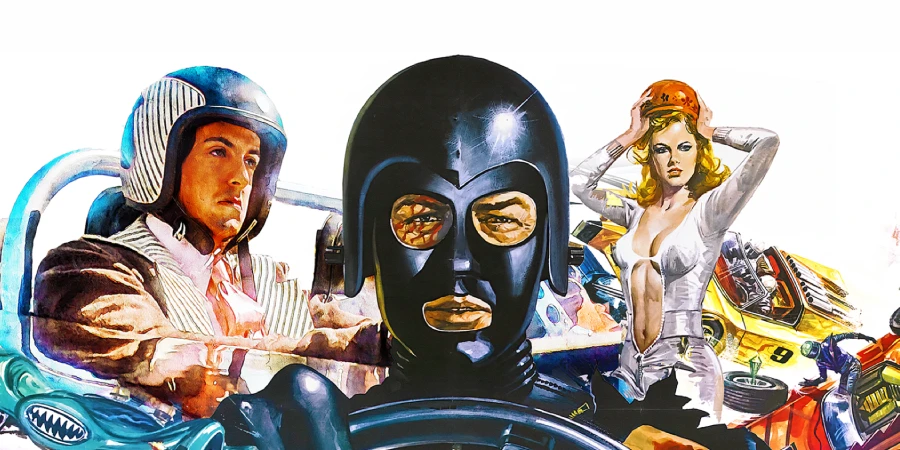
Drivers are presented like celebrities, each with exaggerated personas. The most famous is Frankenstein (David Carradine), a mysterious, supposedly indestructible racer whose identity is hidden beneath a mask. His rivals include the muscle-bound Machine Gun Joe Viterbo (Sylvester Stallone), cowgirl Calamity Jane, Nazi-styled Matilda the Hun, and the matador-themed Roman.
These characters represent twisted satirical versions of American stereotypes, highlighting how society idolizes violence and personality over morality.
A Rebellion Against the Bloodsport
Meanwhile, a resistance group led by Thomasina Paine seeks to destroy the race and expose the government’s cruelty. Frankenstein’s navigator, Annie, has secret ties to the resistance. The rebels attempt to kill the drivers and kidnap Frankenstein, hoping to use him as a political symbol.
What they don’t realize is that Frankenstein isn’t just a puppet; he’s planning something far more radical.
Movie Ending
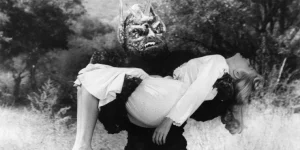
As the race nears its conclusion, Frankenstein is revealed not to be a superhuman government idol but a severely injured man forced to play the role through multiple replacements. He is tired of being an icon for violence. His real plan? To assassinate the President by driving his car directly into him during the award ceremony.
During the finale, Annie discovers the truth and helps Frankenstein carry out his mission. He succeeds in killing the President, overthrowing the regime. Instead of ending the race forever as a symbol of peace, Frankenstein becomes the new President. He immediately abolishes the Death Race and marries Annie. Yet, disturbingly, when a citizen questions the decision, Frankenstein orders a violent response.
The ending implies a cynical message: power corrupts anyone, even those trying to dismantle it, turning the film’s satirical edge even sharper.
Are There Post-Credits Scenes?
There are no post-credits scenes in Death Race 2000 (1975).
Type of Movie
This film is a darkly satirical dystopian action film that uses over-the-top violence and absurd humor to critique political manipulation, celebrity worship, and sensationalist media.
Cast
- David Carradine as Frankenstein
- Sylvester Stallone as Machine Gun Joe Viterbo
- Simone Griffeth as Annie Smith
- Mary Woronov as Calamity Jane
- Roberta Collins as Matilda the Hun
- Martin Kove as Nero the Hero
Film Music and Composer
The music was composed by Paul Chihara, delivering a score that contrasts upbeat carnival-like sounds with grim violence, reinforcing the dark comedy vs. brutality tone of the movie.
Filming Locations
The film was primarily shot in Southern California, including desert highways and rural towns. The locations were low-cost, practical areas that fit the bleak Americana atmosphere and helped emphasize how society had grown comfortable with normalized violence in everyday surroundings.
Awards and Nominations
Death Race 2000 did not receive major awards at the time of release, but it later gained cult status. It is now widely recognized as one of Roger Corman’s most influential productions, inspiring remakes, sequels, and countless imitations.
Behind the Scenes Insights
- Sylvester Stallone was cast before becoming famous, and he improvised many of his violent one-liners.
- Budget constraints forced the production to use cheap, non-functional cars, which constantly broke down.
- Some crowd scenes used real bystanders who had no idea they were extras.
- David Carradine did many of his own stunts because hiring stunt drivers was expensive.
- Director Paul Bartel leaned heavily into satire to avoid making the violence purely exploitative.
Inspirations and References
The movie is loosely based on the 1975 short story “The Racer” by Ib Melchior, but exaggerates themes to a comic-book level. It also reflects 1970s disillusionment with government following Vietnam and Watergate, satirizing how entertainment can distract citizens from corruption.
Alternate Endings and Deleted Scenes
- Early drafts featured a darker ending where Frankenstein becomes even more tyrannical than the President.
- Some deaths were toned down or cut because even Corman feared the film might lose its satirical quality and become pure gore.
- A deleted scene showed the rebels attempting to assassinate Joe Viterbo, but it slowed the pacing and was removed.
Book Adaptations and Differences
The original short story is far more serious and less satirical. It focuses on the psychological toll of being a racer, whereas the film turns the idea into social parody, emphasizing absurd violence and celebrity culture rather than character study.
Memorable Scenes and Quotes
Key Scenes
- Frankenstein revealing his mutilated body beneath his suit, showing he is literally being “rebuilt” to entertain the public.
- The infamous euthanasia hospital scene, where doctors wheel elderly patients outside to be run over.
- Machine Gun Joe attacking fans instead of pedestrians, exclaiming that they “deserve it more.”
Iconic Quotes
- “He’s a national hero!”
- “You know how many points you get for a baby?”
- “Frankenstein! Frankenstein!”
- Machine Gun Joe: “I don’t need fans! They get in the way!”
Easter Eggs and Hidden Details
- Frankenstein’s name references monsters created for public entertainment.
- The cars are exaggerated caricatures representing American archetypes: cowboy, gangster, gladiator, Nazi, etc.
- The President resembles a TV host more than a leader, hinting at media manipulation.
Trivia
- The film’s low budget was under $500,000.
- Stallone wanted to tone down the comedy; Bartel refused.
- The movie influenced modern dystopian media like The Hunger Games.
- Quentin Tarantino cites it as a major influence on his work.
Why Watch?
Because it is bold, absurd, politically sharp, and hilariously brutal. Few movies blend exploitation cinema with smart social commentary as effectively. It is a must-see for fans of cult classics and socially charged satire.
Director’s Other Movies
- Private Parts (1972)
- Lust in the Dust (1985)
- Not for Publication (1984)
Recommended Films for Fans
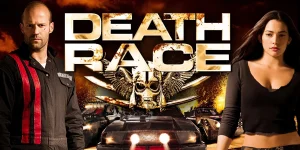
- Death Race (2008)
- Rollerball (1975)
- A Boy and His Dog (1975)
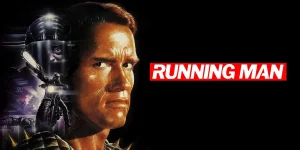
- The Running Man (1987)
- Mad Max (1979)