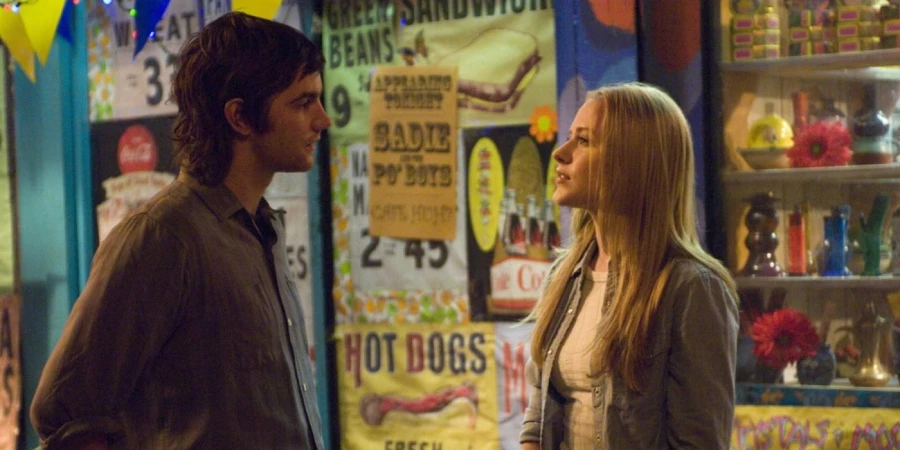

Julie Taymor crafts a psychedelic fever dream that transforms the Beatles’ discography into a visceral history of the 1960s. This visual masterpiece pulses with raw energy while navigating the chaotic intersection of young love and political upheaval. Every frame serves as a vibrant canvas where music and social revolution collide with devastating beauty.
Detailed Summary
Jude Leaves Liverpool
Jude works as a young shipyard laborer in England before deciding to travel to America. He seeks his estranged father, a janitor at Princeton University, to find a sense of belonging. While visiting the campus, he meets Max, an impulsive and wealthy student who hates his privileged lifestyle.
Max introduces Jude to his sister Lucy during a visit to their family home. Jude and Max quickly become close friends and decide to move to New York City for a more bohemian life. Consequently, they abandon their traditional paths to embrace the burgeoning counterculture movement in the East Village.
Life in the East Village
The duo rents an apartment from Sadie, an aspiring singer who manages a local haunt for artists and radicals. They eventually meet Jo-Jo, a guitarist fleeing the aftermath of his brother’s death during the Detroit riots. Prudence also joins the group after hitchhiking across the country to escape her heartbreak in Ohio.
Lucy travels to New York to join her brother after her boyfriend dies in Vietnam. She and Jude begin a passionate romance as the neighborhood transforms into a hub for experimental art and music. This period represents a fleeting moment of innocence before the draft begins to tear their world apart.
Political Radicalization
The military drafts Max, forcing him into a war he fundamentally opposes. This event shifts Lucy’s focus from her relationship with Jude to radical anti-war activism. She joins a militant group led by a charismatic leader who advocates for violent resistance against the government.
Jude struggles to reconcile his artistic pursuits with Lucy’s escalating political obsession. Their conflicting ideologies create a painful rift that ultimately leads to their separation. Meanwhile, Sadie finds success as a professional musician but faces her own internal struggles regarding fame and creative control.
Movie Ending
Jude faces deportation back to England after the authorities arrest him during a massive anti-war protest. He returns to his old life in Liverpool but feels like a ghost in his own hometown. Therefore, he decides to return to New York legally to find the woman he still loves.
Max returns from Vietnam with severe physical and emotional trauma that leaves him a shell of his former self. He reunites with his friends at a rooftop concert where Sadie and her band perform despite a police blockade. Jude manages to sneak onto the roof and takes the microphone to sing directly to Lucy.
The police eventually shut the performance down and lead the musicians away in handcuffs. However, Jude and Lucy lock eyes across the crowded street and finally reconcile. This wordless reunion suggests that love might survive even when the world remains deeply broken and divided.
Are There Post-Credits Scenes?
This film does not feature any scenes after the credits begin to roll. The story concludes definitively as the final song fades into silence. Viewers can safely turn off the movie once the names appear on the screen.
Type of Movie
Across the Universe is a jukebox musical that leans heavily into psychedelic drama and historical fiction. Its tone oscillates between whimsical fantasy and gritty realism. The director utilizes surrealist imagery to reflect the internal emotional states of the characters during the turbulent 1960s.
Cast
- Jim Sturgess – Jude
- Evan Rachel Wood – Lucy
- Joe Anderson – Max
- Dana Fuchs – Sadie
- Martin Luther McCoy – Jo-Jo
- T.V. Carpio – Prudence
- Bono – Dr. Robert
- Eddie Izzard – Mr. Kite
- Salma Hayek – Singing Nurse
Film Music and Composer
Elliot Goldenthal composed the incidental score and served as the primary music producer for the project. He rearranged thirty-three songs by the Beatles to fit the narrative arc of the screenplay. These covers range from intimate acoustic ballads to explosive, orchestral rock performances.
Notably, the actors performed many of their vocals live on set to capture more authentic emotional performances. This approach creates a sense of immediacy that studio recordings often lack. The soundtrack received significant praise for its bold reinterpretations of classic tracks like Happiness is a Warm Gun and Let It Be.

Filming Locations
Production took place primarily in New York City and various parts of New Jersey. The crew filmed extensively in Manhattan’s Lower East Side to recreate the gritty atmosphere of 1960s Greenwich Village. Furthermore, they used iconic locations like the Brooklyn Bridge to ground the surrealist elements in a recognizable reality.
The Liverpool sequences capture the industrial aesthetic of post-war England with great accuracy. These scenes provide a stark visual contrast to the vibrant colors found in the American segments. Choosing authentic urban environments allowed the director to blend historical textures with her signature avant-garde style.
Awards and Nominations
The movie received an Academy Award nomination for Best Costume Design. Additionally, the Golden Globes recognized the film with a nomination for Best Motion Picture – Musical or Comedy.
Behind the Scenes Insights
- Director Julie Taymor used giant puppets from her theatrical background for the circus and protest sequences.
- The actors spent weeks in rehearsals to build genuine chemistry before the cameras started rolling.
- Choreographers incorporated naturalistic movements rather than traditional Broadway dance styles for most numbers.
- Bono filmed his entire cameo as Dr. Robert in just two days of intensive shooting.
- The production design team meticulously researched period-accurate posters and graffiti for the New York sets.
Inspirations and References
The screenplay draws its primary inspiration from the lyrics and themes found within the Beatles’ music catalog. Most character names originated directly from song titles like Lucy in the Sky with Diamonds and Hey Jude. Moreover, the plot mirrors real historical events such as the 1968 Columbia University protests and the Detroit riots.
Alternate Endings and Deleted Scenes
The original cut of the film was significantly longer than the final theatrical release. Several extended musical sequences were trimmed to improve the overall pacing of the second act. Specifically, a longer version of the circus scene exists that features more elaborate visual effects and character interactions.
Early drafts of the script explored a darker fate for Max following his return from the war. However, the filmmakers decided a more hopeful resolution better suited the redemptive themes of the soundtrack. These deleted moments largely focus on secondary characters and their individual struggles within the commune.
Book Adaptations and Differences
This film is an original work and did not originate from a novel or short story. It functions as a standalone cinematic experience designed specifically for the screen. While it references the lives of the Beatles, it does not serve as a biographical account of the band members.
Memorable Scenes and Quotes
Key Scenes
- The transition from a quiet beach to the muddy trenches of Vietnam during an acoustic performance.
- A surreal induction center sequence where giant soldiers carry the Statue of Liberty.
- The gospel-infused rendition of Let It Be set against the backdrop of civil unrest.
- The final rooftop concert that pays homage to the Beatles’ famous last performance.
Iconic Quotes
- Music is the only thing that makes sense in a world this crazy.
- Everything is relevant, Jude.
- I don’t want to be a part of your revolution if I can’t dance.
- You can’t do anything about the war, but you can do something about the way you live.
Easter Eggs and Hidden Details
- The green apple Jude doodles on a napkin references the logo for Apple Records.
- A character walks past a recreation of the Abbey Road album cover in the background.
- The bowling alley scene features color schemes that match the outfits worn in the Yellow Submarine film.
- Sadie’s career trajectory closely mimics the real-life rise and fall of Janis Joplin.
- The red strawberry logo seen on protest posters is a direct nod to Strawberry Fields Forever.
Trivia
- Jim Sturgess had never acted in a major film before landing the lead role of Jude.
- Joe Anderson actually learned to play the guitar specifically for his role as Max.
- The film features over 30 different Beatles songs in its two-hour runtime.
- Salma Hayek plays five different characters simultaneously during the hospital sequence.
- The studio initially wanted to cut many of the more experimental visual segments.
Why Watch?
This movie offers a breathtaking sensory experience that transcends the typical musical genre. Its combination of stunning cinematography and timeless music creates an unforgettable emotional journey. You will witness a masterful tribute to the power of art during times of social crisis.
Director’s Other Movies
- Titus (1999)
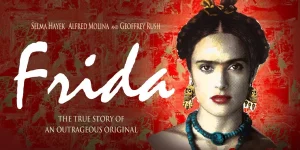
- Frida (2002)
- The Tempest (2010)
- The Glorias (2020)
Recommended Films for Fans
- Moulin Rouge! (2001)
- Hair (1979)
- Pink Floyd: The Wall (1982)
- Velvet Goldmine (1998)