
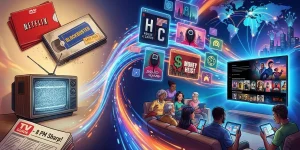
Streaming platforms promised to revolutionize how we consume entertainment. They delivered on that promise. However, something unexpected happened along the way. Instead of eliminating theaters entirely, streaming services reminded us why cinemas matter. In 2026, the theater vs streaming debate rages on with renewed intensity. This discussion isn’t about choosing sides anymore. Rather, it’s about understanding what each experience offers and why the big screen continues to hold irreplaceable value in our digital age.
The convenience of streaming can’t be denied. Nevertheless, theatrical exhibition maintains its cultural significance for compelling reasons. Moreover, recent box office trends suggest audiences still crave communal viewing experiences. This post explores why movie theaters remain essential despite the streaming revolution.
The Immersive Power of Theatrical Exhibition
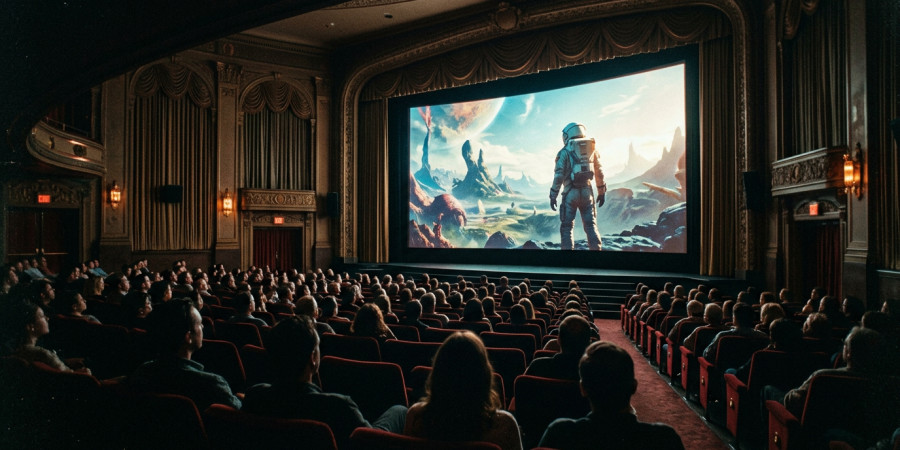
Streaming services excel at accessibility. Theaters, on the other hand, dominate in sensory immersion. The difference becomes obvious the moment you settle into a cinema seat. Enormous screens stretch beyond your peripheral vision. Consequently, your entire field of view becomes absorbed by the story unfolding before you.
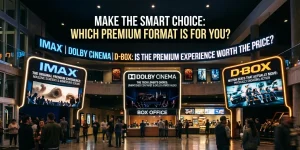
Modern cinema technology amplifies this advantage. IMAX screens tower multiple stories high. Dolby Atmos sound systems create three-dimensional audio landscapes. Furthermore, premium formats like 4DX add motion and environmental effects. These technological advancements create experiences impossible to replicate at home.
Directors recognize this distinction. Christopher Nolan, Denis Villeneuve, and James Cameron specifically design their films for theatrical presentation. They frame shots for maximum big-screen impact. As a result, watching these films on smaller displays diminishes their intended artistic vision.
Why Cinema Sound Design Matters
Audio separation in theaters creates unmatched clarity. Individual sound elements occupy distinct spatial positions. Meanwhile, home systems compress this dynamic range to avoid disturbing neighbors. The theatrical soundscape draws viewers deeper into the narrative world. In addition, bass frequencies in theaters physically vibrate through your body, adding visceral dimension impossible through television speakers.
The Social Dimension of Movie Theaters vs Streaming
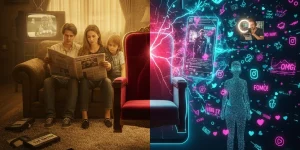
Humans are social creatures. We seek shared experiences. Therefore, the communal aspect of theatrical viewing creates unique value. Watching a comedy in a packed theater amplifies every joke. Horror films become more terrifying when surrounded by other frightened viewers.
This collective energy transforms passive viewing into active participation. Audiences gasp simultaneously at plot twists. They laugh together at perfectly timed humor. Moreover, they share emotional moments that bond strangers through storytelling. Streaming platforms struggle to replicate this fundamental human connection.
Opening weekends exemplify this phenomenon. Fans gather to experience anticipated releases together. Conversations spark in lobbies afterward. Social media buzzes with immediate reactions. However, streaming releases lack this cultural moment. Films appear quietly in digital libraries without fanfare or shared discovery.
Building Cultural Moments Through Cinema Releases
Theatrical releases create cultural touchstones. “Barbenheimer” demonstrated this in 2023. The simultaneous release of Barbie and Oppenheimer became a global event. Consequently, millions coordinated double features and shared experiences. Streaming couldn’t generate equivalent cultural phenomena. The theater vs streaming comparison reveals how cinemas facilitate collective memory formation.
Economic and Artistic Implications for Filmmakers
Box office performance remains the primary revenue driver for major productions. Studios invest hundreds of millions into blockbusters. In return, they expect theatrical returns to justify these budgets. Streaming payments follow different models that rarely match theatrical earning potential.
This economic reality shapes what films get made. Big-budget spectacles target theaters first. Meanwhile, smaller productions increasingly debut on streaming platforms. The division creates a two-tier system affecting creative decisions throughout production.
Filmmakers also consider lasting legacy. Theatrical releases command more critical attention. Awards consideration heavily favors films with cinema runs. Furthermore, theatrical success establishes films as significant cultural works rather than disposable content.
The Evolving Theatrical Experience in 2026
Modern theaters adapted to survive the streaming competition. Premium experiences justify higher ticket prices. Luxury recliners replace traditional seating. Full-service restaurants now operate within multiplexes. Additionally, theaters curate special programming beyond first-run features.
These innovations address streaming’s convenience advantage. Theaters transformed into destinations rather than mere viewing venues. They offer experiences worth leaving home to enjoy. As a result, attendance stabilized after pandemic disruptions.
Hybrid Release Strategies Finding Balance
The industry settled into hybrid distribution models. Major releases receive exclusive theatrical windows before streaming availability. This approach maximizes revenue across platforms. Moreover, it acknowledges both formats serve different audience needs and preferences. Some films benefit from immediate wide release. Others build momentum through gradual expansion.
When Streaming Makes More Sense
Streaming platforms serve essential functions theaters cannot match. Accessibility for disabled viewers improves dramatically at home. Parents avoid babysitter costs and timing constraints. Furthermore, streaming enables revisiting favorite films repeatedly without additional expense.
Certain content types suit home viewing better. Television series benefit from episodic consumption patterns. Documentaries reward focused attention without theater distractions. In addition, international films reach broader audiences through streaming than limited theatrical distribution ever allowed.
The theater vs streaming choice depends on content and circumstance. Neither format universally surpasses the other. Instead, they complement different viewing needs and preferences.
Why We’ll Always Need Both Options
Technology continues advancing home theater capabilities. Nevertheless, public exhibition fulfills distinct psychological and social needs. Theaters create ritualized experiences that mark special occasions. They remove household distractions that fragment attention during home viewing.
Streaming offers unmatched convenience and accessibility. However, convenience alone doesn’t satisfy deeper human desires for shared experience. The theatrical setting transforms movie watching from private consumption into public event.
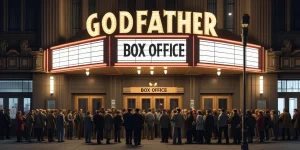
Industry data supports this coexistence. Box office revenues recovered substantially by 2025. Simultaneously, streaming subscribers continued growing. Audiences demonstrated they want both options available. Moreover, different films suit different formats based on genre, scale, and personal circumstances.


Making Your Screen Time Count
The theater vs streaming debate ultimately misses the point. Both formats enrich our cultural landscape differently. Choose theatrical experiences for visual spectacles demanding immersive presentation. Select films that benefit from communal viewing energy. Save streaming for casual viewing, television series, and films requiring pause buttons.
Support your local theaters by attending regularly. Their survival depends on audience commitment. Simultaneously, appreciate streaming’s democratizing effect on content access. The future isn’t either-or but both-and.
Next time a film intrigues you, consider which format serves it best. Epic science fiction demands IMAX presentation. Intimate dramas work beautifully at home. Make intentional choices about where and how you watch. Your viewing environment profoundly affects your entertainment experience. Therefore, match the medium to the message for maximum impact.