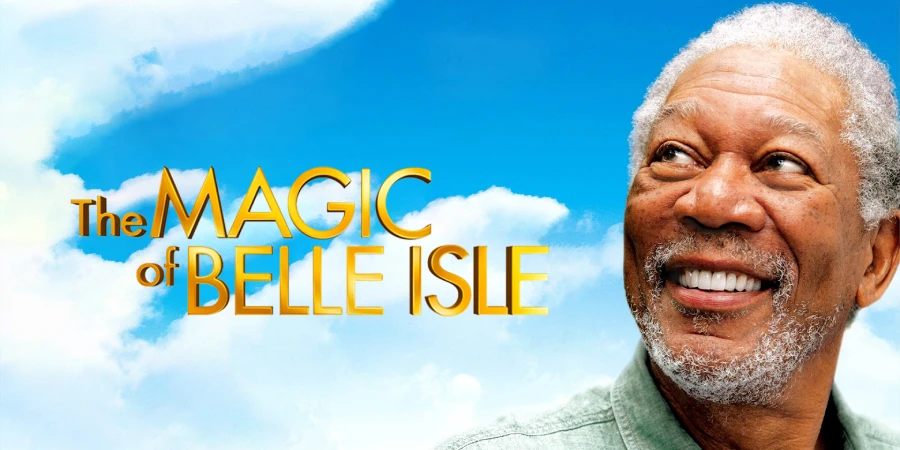

The Magic of Belle Isle is a warm, character-driven drama that gently explores grief, creativity, aging, and second chances. Directed by Rob Reiner and led by a quietly powerful performance from Morgan Freeman, the film favors emotional honesty over spectacle. It’s the kind of movie that sneaks up on you, then leaves you with a soft ache and a smile.
Detailed Summary
A Grumpy Writer by the Lake
Monte Wildhorn is a once-famous novelist who has become bitter, alcoholic, and emotionally closed off. After a car accident, he is forced to spend the summer in Belle Isle, a peaceful lakeside community. From the very beginning, Monte is hostile to everyone, especially his neighbors, who include a single mother and her three daughters.
His cynicism is clear: he hasn’t written in years, hates the world, and seems uninterested in living much longer.
Meeting Charlotte and Her Daughters
Monte’s neighbor Charlotte O’Neil is warm, patient, and struggling to raise her daughters after the death of her husband. Her children, particularly the imaginative youngest daughter Finnegan, slowly break through Monte’s emotional walls.
Finnegan believes Monte is a wizard, not a writer, and this innocent misunderstanding becomes a key emotional engine of the film. Instead of correcting her, Monte plays along, telling stories that blend fantasy and truth.
Stories That Heal Old Wounds
As Monte begins telling stories again, something changes. Writing re-enters his life, not as a profession, but as a means of connection and healing. His bond with the girls deepens, and his relationship with Charlotte grows more intimate, though both carry emotional baggage.
We also learn about Monte’s past: the loss of his wife, his estranged daughter, and the regret that has defined his later years. These revelations add weight to his gruff exterior and explain his emotional isolation.
Facing the Past
Monte’s daughter arrives unexpectedly, forcing him to confront years of emotional neglect. This confrontation is painful but necessary. For the first time, Monte chooses honesty over avoidance.
Meanwhile, Finnegan’s belief in magic begins to fade as she grows older, symbolizing the inevitable loss of childhood innocence. Monte must accept that stories don’t stop change, but they can help us survive it.



Movie Ending
In the final act, Monte completes a new novel inspired by the summer he spent in Belle Isle. The book is not just a return to writing; it is a reconciliation with life itself. He gives the manuscript to Finnegan, symbolically passing on the magic of storytelling.
Monte repairs his relationship with his daughter, acknowledging his failures as a father without excuses. This reconciliation is quiet and restrained, fitting the film’s tone.
As summer ends, Charlotte and her daughters leave Belle Isle. The goodbye is emotional but not tragic. There are no grand declarations, only understanding and gratitude. Monte stays behind, no longer angry at the world, no longer hiding from pain.
The final moments show Monte alone by the lake, writing. He is not “fixed,” but he is at peace, having accepted loss, connection, and the passage of time. The magic was never supernatural; it was human.
Are There Post-Credits Scenes?
No. The Magic of Belle Isle does not include any post-credits or mid-credits scenes. The story concludes fully within the film’s final moments.
Type of Movie
This is a character-focused drama with light comedic and sentimental elements, emphasizing emotional growth, intergenerational relationships, and the quiet power of storytelling.
Cast
- Morgan Freeman as Monte Wildhorn
- Virginia Madsen as Charlotte O’Neil
- Emma Fuhrmann as Finnegan O’Neil
- Madeline Carroll as Willow O’Neil
- Nicolette Pierini as Flora O’Neil
- Kenan Thompson as Henry
Film Music and Composer
The score was composed by Marc Shaiman, whose music subtly reinforces the film’s reflective tone. The soundtrack avoids emotional manipulation, instead using soft piano and orchestral cues to underline moments of introspection and warmth.

Filming Locations
The film was shot primarily in North Carolina, particularly around lake communities that visually represent Belle Isle. These locations are crucial because they reflect the movie’s emotional themes: calm on the surface, depth beneath. The lake acts as a metaphor for memory, loss, and reflection throughout the film.
Awards and Nominations
The film did not receive major industry awards but was well received at family-oriented and independent film festivals, where it was praised for Morgan Freeman’s performance and its heartfelt storytelling.
Behind the Scenes Insights
- Morgan Freeman was heavily involved in shaping Monte’s personality, pushing for restraint over sentimentality
- Rob Reiner described the film as one of his most personal projects, reflecting on aging and legacy
- The child actors were encouraged to improvise slightly to keep interactions natural
- The “magic” theme was deliberately kept ambiguous to maintain emotional realism
Inspirations and References
The film draws inspiration from classic character dramas and stories about writers in decline, echoing themes found in works by Ray Bradbury and Thornton Wilder. It also reflects Rob Reiner’s interest in quiet, relationship-driven storytelling.
Alternate Endings and Deleted Scenes
Several deleted scenes focused on Monte’s life before Belle Isle, including extended flashbacks with his wife. These were removed to keep the story grounded in the present rather than nostalgia. No alternate ending was filmed.
Book Adaptations and Differences
The movie is not based on a book, though it feels literary in structure. Interestingly, a novelization was released after the film, expanding on Monte’s inner thoughts more than the movie does.

Memorable Scenes and Quotes
Key Scenes
- Finnegan insisting Monte is a wizard
- Monte reading his finished manuscript by the lake
- The confrontation between Monte and his daughter
- The final goodbye at the end of summer
Iconic Quotes
- “I’m not a magician. I’m a writer. We deal in lies that tell the truth.”
- “Stories don’t change the world, but they change the people in it.”
Easter Eggs and Hidden Details
- Monte’s book titles subtly reference real literary classics
- The lake’s appearance changes with Monte’s emotional state
- Finnegan’s drawings mirror events before they happen
- Monte’s typewriter model is historically accurate for his career era
Trivia
- This was one of Morgan Freeman’s most low-key performances
- Rob Reiner avoided close-up shots early on to emphasize emotional distance
- The film was shot in under six weeks
- Many props in Monte’s house were sourced from real writers’ estates
Why Watch?
If you enjoy quiet films that respect the audience’s intelligence, this one is worth your time. It’s about growing old without becoming empty, about storytelling as survival, and about how connection can arrive when you least expect it.
Director’s Other Works
- Stand by Me (1986)
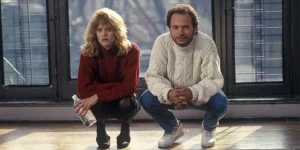
- When Harry Met Sally… (1989)
- Misery (1990)
- A Few Good Men (1992)
- The Bucket List (2007)
Recommended Films for Fans
- Finding Forrester (2000)
- Gran Torino (2008)
- The Straight Story (1999)
- St. Vincent (2014)
- About Schmidt (2002)