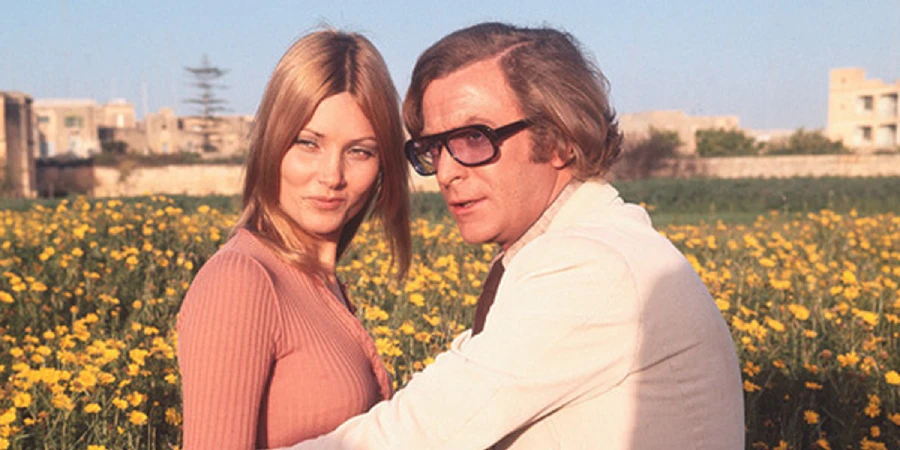

Pulp (1972) is a darkly comedic British crime film directed by Mike Hodges and starring Michael Caine. With its mix of noir parody, eccentric characters, and a plot full of literary and criminal satire, it remains a cult classic that often slips under the radar.
Detailed Summary
A Writer of Trash Fiction in a Real Crime World
Michael Caine plays Mickey King, a writer of cheap detective novels who publishes under numerous pseudonyms. His books are full of pulp clichés: tough guys, femme fatales, and gangsters. However, King’s life takes a bizarre turn when he’s hired (under mysterious secrecy) to ghostwrite the autobiography of a powerful and unknown client.
Meeting the Client: A Former Hollywood Star
King travels to an unnamed Mediterranean island. He soon discovers that the client is Preston Gilbert (Mickey Rooney), a flamboyant but aging Hollywood star once famous for playing gangsters on screen. Gilbert also has real-life mob connections, and his memoir could expose secrets that people may kill to suppress.
Assassination and Chaos Begin
At a political event, Gilbert is abruptly assassinated. This murder pulls King into a dangerous web of people trying to protect secrets. He realizes that Gilbert’s autobiography could ruin highly influential individuals, making King their next target.
A Ghostwriter Becomes a Witness
King attempts to uncover why someone would kill Gilbert. The answers lead to corrupt politicians, criminal alliances, and opportunistic profiteers. His outsider position allows him to observe them, but it also isolates him. The writer who used to create fictional murders is now watching the real thing unfold around him.

Movie Ending
In the film’s climax, Mickey King tries to flee but is lured into the political and criminal cover-up surrounding Gilbert’s life and death. He learns that the autobiography contained damaging evidence about high-profile figures, who orchestrated the assassination to silence Gilbert. King is pressured to hand over his manuscript or die.
Realizing he’s only alive because he hasn’t finished writing the damaging memoir, King finally escapes thanks to a combination of luck and incompetence from the criminals hunting him. As he leaves the island, he cynically narrates how real crime is far more dull, stupid, and bureaucratic compared to pulp fiction. The film ends with King surviving—but disillusioned. Unlike his novels, there is no heroic closure, no moral justice, only people protecting power.
The ending satirizes noir tropes by reminding viewers that reality lacks the poetic endings of pulp stories.
Are There Post-Credits Scenes?
There are no post-credits scenes in Pulp (1972).
Type of Movie
Pulp is a crime comedy that parody-twists film noir, blending dry British humor with a satirical look at gangster mythology.
Cast
- Michael Caine as Mickey King
- Mickey Rooney as Preston Gilbert
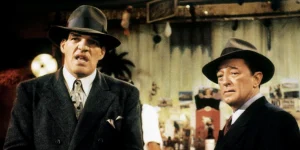
- Lionel Stander as Ben Dinuccio
- Lizabeth Scott as Princess Betty Cippola
- Nadia Cassini as Liz Adams
- Dennis Price as Miller
Film Music and Composer
The music was composed by George Martin, often called “the Fifth Beatle” due to his extensive production work for The Beatles. His score gives the film a playful yet noir-flavored vibe, amplifying the satire.

Filming Locations
The film was shot largely on Malta, using its Mediterranean architecture and coastal landscapes to represent the unnamed island. The setting’s blend of sunlit beauty and shabby corners enhances the film’s contrast between glamorous gangster legends and gritty, unglamorous reality.
Awards and Nominations
Pulp did not receive major awards, though it gained cult appreciation over the decades, especially for its dark satire and Michael Caine’s performance.
Behind the Scenes Insights
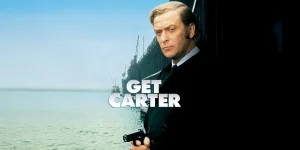
- Michael Caine made the film right after Get Carter (1971) with the same director, Mike Hodges, making this one a deliberately lighter and more ironic follow-up.
- Mickey Rooney reportedly loved playing a gangster parody since he was often typecast as wholesome characters.
- The production’s Mediterranean setting allowed the actors to treat filming as both work and vacation, adding to the relaxed and comedic tone behind the camera.
Inspirations and References
- The film directly satirizes hardboiled detective literature, especially pulp writers like Mickey Spillane.
- It also mocks Hollywood’s romanticization of gangsters, showing how real criminals lack glamour.
- The character Preston Gilbert is loosely inspired by real-life actors with mob connections.
Alternate Endings and Deleted Scenes
Little is known about official alternate endings, but early drafts reportedly portrayed King dying at the end. The final decision to have him survive fits the film’s satirical nature, showing that in real life, writers live on simply because they have no value to kill.
Book Adaptations and Differences
Pulp (1972) is not based on a book, though it is designed to feel like a story ripped from cheap crime paperbacks. Its structure intentionally mimics pulp novel storytelling, but subverts expectations by offering no poetic justice.
Memorable Scenes and Quotes
Key Scenes
- The assassination of Preston Gilbert during a political parade.
- Mickey King typing a pulp introduction about a femme fatale while meeting one in real life.
- King’s interrogation scene, where incompetently threatening criminals argue among themselves.
Iconic Quotes
- “In my line of work, you don’t make friends. You make endings.”
- “Real crime isn’t stylish. It’s stupid.”
- “People don’t read books to learn the truth. They read to escape it.”
Easter Eggs and Hidden Details
- Posters and props reference fake pulp novels King supposedly wrote, parodying real 1950s noir titles.
- George Martin’s soundtrack includes subtle musical riffs reminiscent of classic gangster films.
- The island’s corrupt leaders mirror real 1960s European political scandals.
Trivia
- Lizabeth Scott came out of retirement specifically to star in this film.
- Caine joked that Pulp was the only crime movie where he played a character “too boring to kill.”
- The film was marketed as “the comedy you don’t realize is comedy until you leave the theater.”
Why Watch?
Pulp offers a clever, witty, and unusual take on crime cinema. If you like films that challenge genre clichés, feature sharp dialogue, and push satire with subtlety rather than slapstick, this movie is a rewarding experience. Its humor is dry, its mystery is unconventional, and its worldview is perfectly cynical.
Director’s Other Works
- Get Carter (1971)
- The Terminal Man (1974)
- Flash Gordon (1980)
- Croupier (1998)
- I’ll Sleep When I’m Dead (2003)
Recommended Films for Fans
- Get Carter (1971)
- The Long Goodbye (1973)
- The Big Sleep (1946)
- The Killing of a Chinese Bookie (1976)