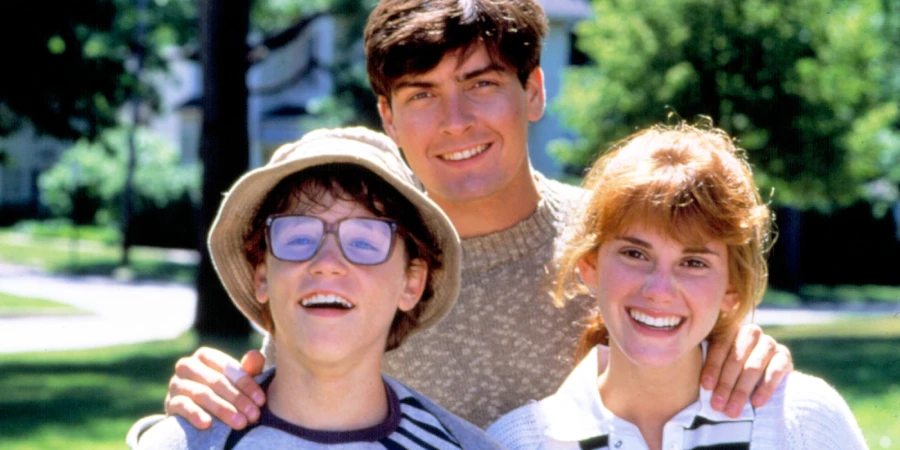

Lucas (1986) is a heartfelt coming-of-age drama that quietly became a cult favorite of the 1980s. Unlike the loud teen comedies of its era, this film focuses on emotional vulnerability, unreturned love, and the painful process of growing up. It is gentle, awkward, and sometimes brutally honest.
Detailed Summary
A Quiet Outsider Named Lucas
Lucas Blye is a 14-year-old intellectual misfit living in a suburban town. He is small for his age, academically advanced, socially isolated, and frequently bullied. His world revolves around books, insects, and long bike rides, rather than popularity or sports. From the very beginning, the film makes it clear that Lucas does not fit the traditional definition of a teenage hero.
Friendship Turns Into Love
Lucas befriends Maggie, a kind and emotionally mature girl who treats him with warmth and respect. Lucas quickly develops romantic feelings for her, believing that emotional connection should outweigh age, popularity, or physical maturity. For Lucas, this love feels logical and pure. For Maggie, it feels complicated.
Enter Cappie, the All-American Rival
Maggie becomes romantically involved with Cappie, a popular football player whose reputation is built on physicality rather than sensitivity. Lucas sees Cappie as everything he is not. Their rivalry is not loud or dramatic but deeply painful, rooted in insecurity and jealousy rather than hatred.
Bullying, Isolation, and the Need to Belong
Lucas’s vulnerability makes him a frequent target of bullying, especially by older students and athletes. The film does not romanticize this cruelty. Instead, it shows how consistent emotional neglect and mockery quietly erode self-worth. Lucas’s loneliness intensifies as Maggie drifts closer to Cappie.
A Desperate Attempt to Prove Himself
In an effort to gain respect and perhaps Maggie’s affection, Lucas joins the football team despite being physically unfit. This decision becomes a turning point, symbolizing his desire to be seen, valued, and accepted, even if it means putting himself in danger.



Movie Ending
The final act of Lucas is emotionally raw and intentionally uncomfortable.
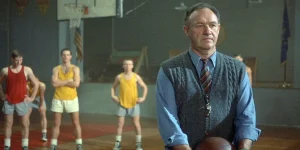
During a football game, Lucas insists on playing despite clear physical limitations. In a moment that is both tragic and heroic, he is put into the game and suffers a severe injury after being violently tackled. The scene is difficult to watch, not because of graphic imagery, but because the audience understands why Lucas did it. He wanted validation. He wanted dignity. He wanted to matter.
Lucas is hospitalized, and the tone shifts from rivalry to reflection. Cappie, overwhelmed by guilt and maturity gained through consequences, visits Lucas in the hospital. In a quietly powerful moment, Cappie apologizes, acknowledging Lucas’s courage and humanity. This reconciliation does not magically fix everything, but it restores Lucas’s sense of worth.
Maggie also visits Lucas. She does not declare romantic love, and that is the film’s boldest choice. Instead, she offers honest affection without false hope. Lucas finally understands that love does not always mean possession or reward.
The movie ends with Lucas returning to school, still different, still vulnerable, but stronger and more self-aware. He has not “won the girl,” but he has gained something more lasting: self-respect and emotional growth. The ending reinforces the film’s central message that growing up often means accepting painful truths rather than fairytale endings.
Are There Post-Credits Scenes?
No. Lucas does not include any post-credits or mid-credits scenes. The film ends definitively and quietly, consistent with its grounded and realistic tone.
Type of Movie
Lucas is a coming-of-age drama that blends teen romance with emotional realism. Rather than relying on comedy or melodrama, it focuses on internal conflict, emotional maturity, and the cost of vulnerability.
Cast
- Corey Haim as Lucas Blye
- Kerri Green as Maggie
- Charlie Sheen as Cappie
- Courtney Thorne-Smith as Alissa
- Winona Ryder as Rina (early supporting role)
Film Music and Composer
The score was composed by Robert Folk, whose music subtly enhances the emotional weight of the story. The soundtrack avoids manipulation and instead supports the film’s reflective, bittersweet atmosphere.



Filming Locations
The movie was filmed primarily in Illinois, especially suburban areas around Chicago.
These locations are important because they reinforce the film’s themes:
- Ordinary neighborhoods emphasize Lucas’s everyday struggles
- School environments feel realistic rather than stylized
- The football field becomes a symbolic arena of acceptance and rejection
The setting feels intentionally familiar, allowing viewers to project their own adolescence onto the story.
Awards and Nominations
Lucas did not receive major awards but gained:
- Strong critical appreciation for Corey Haim’s performance
- Long-term recognition as a cult coming-of-age classic
Its emotional honesty helped it age better than many flashier 1980s teen films.
Behind the Scenes Insights
- Corey Haim has stated that Lucas was the most personal role of his career
- Charlie Sheen intentionally played Cappie with restraint to avoid turning him into a cartoon villain
- Director David Seltzer wanted the film to feel emotionally uncomfortable rather than crowd-pleasing
- Many bullying scenes were softened after test screenings found them emotionally overwhelming
Inspirations and References
- Inspired by classic coming-of-age literature
- Influenced by films like The 400 Blows (1959)
- Draws from real adolescent experiences of emotional imbalance and rejection
There is no direct true story, but the emotional core feels deeply autobiographical.
Alternate Endings and Deleted Scenes
- An alternate ending reportedly showed Lucas becoming more socially popular, which was rejected for feeling dishonest
- Several school scenes were cut to maintain pacing
- Extended dialogue between Lucas and Maggie was shortened to preserve ambiguity
The final cut intentionally avoids emotional over-explanation.
Book Adaptations and Differences
Lucas is not based on a book. It is an original screenplay, which allowed the filmmakers to avoid conventional genre expectations and lean into realism.


Memorable Scenes and Quotes
Key Scenes
- Lucas riding his bike alone after realizing Maggie loves someone else
- The football injury scene and silent aftermath
- The hospital reconciliation between Lucas and Cappie
Iconic Quotes
- “You don’t have to be like them to matter.”
- “Sometimes loving someone means letting them go.”
Easter Eggs and Hidden Details
- Lucas’s insect collection subtly mirrors his feeling of being “observed”
- The football jersey number Lucas wears symbolizes physical inadequacy rather than heroism
- Classroom posters reference real 1980s academic competitions
Trivia
- Winona Ryder was cast before becoming a major star
- Corey Haim was close in age to his character, enhancing realism
- The film intentionally avoids a traditional happy ending
- David Seltzer insisted on a PG-13 tone to reflect emotional realism
Why Watch?
You should watch Lucas if you appreciate:
- Emotionally honest storytelling
- Characters who do not get easy victories
- Films that respect adolescent pain rather than mocking it
This is a movie for anyone who has ever felt invisible, misunderstood, or emotionally ahead of their time.
Director’s Other Movies
- Shattered Innocence (1988)
- The Omen (1976) – Writer
- Willy Wonka & the Chocolate Factory (1971) – Writer