Lethal Weapon is one of the most influential action movies of the 1980s, setting the template for the buddy-cop genre with its mix of sharp humor, emotional depth, and explosive action. Directed by Richard Donner and written by Shane Black, the film pairs two wildly different detectives and lets chaos (and chemistry) do the rest.
Detailed Summary
The Broken Cop: Martin Riggs
The film introduces Martin Riggs, a highly skilled but emotionally shattered LAPD detective. Recently widowed and openly suicidal, Riggs lives recklessly, often daring death during missions. This isn’t just character flavor—it defines his unpredictability and why other officers consider him a lethal weapon himself.
The Family Man: Roger Murtaugh
Riggs is partnered with Roger Murtaugh, a cautious, by-the-book detective who has just turned 50 and is seriously contemplating retirement. Murtaugh’s stable family life and conservative mindset make him the polar opposite of Riggs, creating immediate tension and comedic friction.
The Suicide Case That Isn’t What It Seems
The apparent suicide of a young woman leads Riggs and Murtaugh into a deeper conspiracy involving drug smuggling, corrupt military veterans, and international heroin trafficking. The victim’s connection to Murtaugh’s daughter personalizes the case, raising the emotional stakes.
Trust, Conflict, and Bonding
Riggs’ self-destructive behavior alarms Murtaugh, who initially fears Riggs might get him killed. Over time, however, Murtaugh realizes Riggs isn’t reckless out of stupidity—but pain. Their partnership evolves from distrust to genuine loyalty, forming the emotional backbone of the film.
Enter the Villains
The investigation leads them to a ruthless group of former Special Forces operatives, led by the cold and sadistic Mr. Joshua. These villains mirror Riggs: highly trained, emotionally dead, and capable of extreme violence—making their conflict deeply personal.
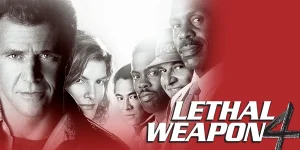
Movie Ending
In the final act, Murtaugh’s daughter is kidnapped, forcing the detectives into a desperate rescue mission. Riggs is captured and brutally tortured, reinforcing his death wish—but also proving how much he now cares about Murtaugh and his family.
Riggs escapes and joins Murtaugh for the climactic showdown at a suburban construction site. After a violent gunfight, Riggs confronts Mr. Joshua in a bare-knuckle fight on Murtaugh’s front lawn, symbolizing Riggs finally choosing life over death. Joshua is defeated and arrested, bringing the conspiracy to an end.
The film concludes with Riggs spending Christmas with Murtaugh’s family, a powerful emotional payoff. He hands Murtaugh the hollow-point bullet he once planned to use on himself—a quiet but profound sign that Riggs has found something worth living for.
Are There Post-Credits Scenes?
No. Lethal Weapon (1987) does not have any post-credits or mid-credits scenes. The story ends definitively with its emotional resolution.
Type of Movie
Lethal Weapon is a high-energy action-crime thriller blended with dark comedy and strong character-driven drama. It balances explosive set pieces with surprisingly emotional storytelling.
Cast
- Mel Gibson as Martin Riggs
- Danny Glover as Roger Murtaugh
- Gary Busey as Mr. Joshua
- Mitchell Ryan as General McAllister
- Darlene Love as Trish Murtaugh
Film Music and Composer
The score was composed by Michael Kamen, with additional contributions from Eric Clapton and David Sanborn. The blues-infused guitar themes perfectly reflect Riggs’ loneliness and the film’s gritty tone, becoming instantly iconic.
Filming Locations and Their Importance
- Los Angeles, California – The city’s streets, beaches, and suburbs ground the film in a realistic, urban setting
- Hollywood Hills – Used for high-risk stunts and chase scenes, emphasizing Riggs’ reckless nature
- Suburban Los Angeles neighborhoods – Reinforce the contrast between Riggs’ isolation and Murtaugh’s family life
Awards and Nominations
- Academy Award nomination for Best Sound (1988)
- Widely praised by critics for performances and screenplay, though more influential than award-heavy
Behind the Scenes Insights
- Shane Black wrote the script at age 23 and sold it for a record-breaking amount at the time.
- Mel Gibson improvised several lines, adding unpredictability to Riggs’ character.
- The torture scene was intentionally intense to make Riggs’ emotional pain believable.
- Danny Glover initially worried the film would be too dark before humor balanced the tone.
Inspirations and References
- Inspired by 1970s gritty police dramas like Dirty Harry
- Shane Black drew from themes of PTSD and post-war trauma
- Helped define the modern buddy-cop formula later used by countless films
Alternate Endings and Deleted Scenes
- An early script ending was much darker, with Riggs remaining emotionally unstable.
- Several scenes exploring Riggs’ therapy sessions were removed to improve pacing.
- No fully filmed alternate ending was released publicly.
Book Adaptations and Differences
Lethal Weapon is not based on a book. However, novelizations were released after the film, closely following the final screenplay with minor internal monologue additions.

Memorable Scenes and Quotes
Key Scenes
- Riggs stopping a jumper by threatening suicide himself
- The rooftop sniper sequence
- Riggs’ torture and escape
- The final fistfight on the lawn
Iconic Quotes
- “I’m too old for this shit.” – Roger Murtaugh
- “Do you really want to jump?” – Martin Riggs
- “You want to know what scares me? Nothing.” – Riggs
Easter Eggs and Hidden Details
- Riggs’ trailer number subtly changes, symbolizing his unstable life.
- Murtaugh’s Christmas decorations foreshadow the final family ending.
- The villains’ military tattoos match real Special Forces insignia.
Trivia
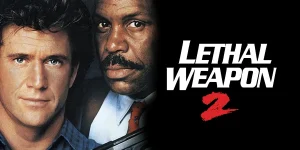
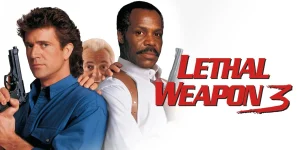
- The film spawned three direct sequels.
- Mel Gibson performed many of his own stunts.
- The original script was far more violent and bleak than the final cut.
- The movie revitalized Danny Glover’s action career.
Why Watch?
Because Lethal Weapon isn’t just explosions and one-liners—it’s a surprisingly emotional story about healing, friendship, and choosing life. It’s smart, intense, funny, and endlessly rewatchable.
Director’s Other Works
- Superman (1978)
- The Goonies (1985)
- Scrooged (1988)
- Maverick (1994)