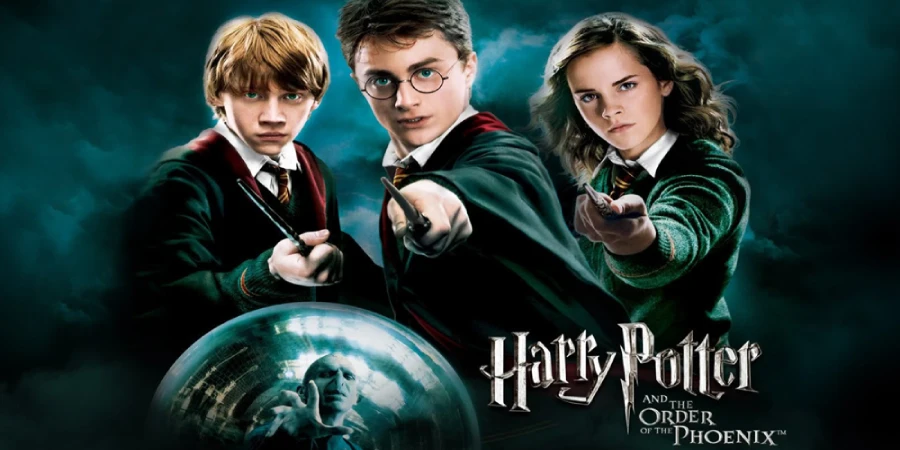

Harry Potter and the Order of the Phoenix is the fifth installment in the Harry Potter film series and marks a major tonal shift toward darker themes, political manipulation, and emotional loss. Directed by David Yates, the film focuses less on spectacle and more on control, resistance, and psychological pressure, making it one of the most mature chapters in the saga.
Detailed Summary
A Dark Summer and the Return of Fear
The film opens with Harry spending a miserable summer with the Dursleys. When Dementors attack Harry and Dudley in Little Whinging, Harry uses magic in front of a Muggle, triggering serious consequences. This moment establishes a key theme: Harry is no longer protected, even outside the wizarding world.
The Order of the Phoenix
Harry is rescued by members of the Order of the Phoenix, a secret group founded by Dumbledore to fight Voldemort. At Number 12, Grimmauld Place, Harry learns that Voldemort has returned, but the Ministry of Magic refuses to accept the truth, fearing public panic and loss of power.
Dolores Umbridge and the Corruption of Hogwarts
At Hogwarts, the Ministry installs Dolores Umbridge as Defense Against the Dark Arts teacher. She forbids practical magic, enforces cruel punishments, and slowly takes control of the school. Her presence represents authoritarian rule disguised as order, and her rise is one of the most unsettling aspects of the film.
Dumbledore’s Army
Frustrated by Umbridge’s restrictions, Harry secretly teaches students real defensive magic. Hermione names the group Dumbledore’s Army, turning resistance into education. These scenes highlight unity, rebellion, and Harry stepping into a leadership role he never asked for.
Visions and Manipulation
Harry begins experiencing intense visions connected to Voldemort’s mind, including dreams of a mysterious door in the Department of Mysteries. These visions blur the line between truth and deception, making Harry vulnerable to manipulation.
The Trap is Set
Believing Sirius is being tortured, Harry leads his friends to the Ministry of Magic. This decision, driven by emotion and fear, proves disastrous and underscores one of the film’s central ideas: love is both strength and weakness.

Movie Ending
The final act unfolds in the Department of Mysteries, where Harry and his friends are ambushed by Death Eaters. A chaotic battle follows, showcasing powerful spells and dangerous consequences. During the fight, Sirius Black is killed by Bellatrix Lestrange, falling through the mysterious veil in the Death Chamber. His death is sudden, shocking, and emotionally devastating, especially for Harry.
Harry chases Bellatrix but is stopped by Voldemort himself, leading to a rare and intense duel between Dumbledore and Voldemort. This confrontation reveals the full extent of their power and contrasts Voldemort’s rage with Dumbledore’s calm mastery.
Voldemort briefly possesses Harry, attempting to break him from the inside, but fails because he cannot understand or endure Harry’s capacity for love and grief. The Ministry officials finally witness Voldemort’s return with their own eyes, forcing them to accept the truth they denied.
The film ends with the wizarding world officially acknowledging Voldemort’s return. Harry, now grieving Sirius, accepts that his life will never be simple again. The war is no longer hidden. It has begun.
Are There Post-Credits Scenes?
No. Harry Potter and the Order of the Phoenix does not include any post-credits or mid-credits scenes. The story ends definitively with the final emotional resolution.
Type of Movie
The film is a fantasy drama with strong political and psychological elements, blending magical adventure with themes of oppression, propaganda, and resistance.
Cast
- Daniel Radcliffe – Harry Potter
- Emma Watson – Hermione Granger
- Rupert Grint – Ron Weasley
- Imelda Staunton – Dolores Umbridge
- Gary Oldman – Sirius Black
- Ralph Fiennes – Lord Voldemort
- Michael Gambon – Albus Dumbledore
- Helena Bonham Carter – Bellatrix Lestrange
Film Music and Composer
The score was composed by Nicholas Hooper, who introduced a more restrained and somber musical tone. The music reflects internal conflict and looming danger, rather than wonder and whimsy.
Filming Locations
- Leavesden Studios (UK) – Main Hogwarts interiors
- Oxford University – Hogwarts corridors and halls
- Black Park, Buckinghamshire – Forbidden Forest scenes
- Ministry of Magic sets – Entirely constructed, emphasizing cold bureaucracy and power
These locations reinforce the contrast between institutional control and magical freedom.
Awards and Nominations
- Nominated for BAFTA Best Production Design
- Nominated for Visual Effects Society Awards
- Praised for art direction and sound design, though less awarded than earlier entries
Behind the Scenes Insights
- This is the shortest Harry Potter film, despite being based on the longest book
- David Yates deliberately reduced subplots to focus on emotional arcs
- Imelda Staunton based Umbridge’s politeness on real-world authoritarian figures
- Extensive use of practical sets was combined with CGI for the Ministry battle
Inspirations and References
- Strong parallels to totalitarian regimes and propaganda
- Themes inspired by George Orwell’s 1984
- The Order itself echoes underground resistance movements
Alternate Endings and Deleted Scenes
- A longer St. Mungo’s Hospital scene featuring Neville’s parents was cut
- Extended Grimmauld Place material was removed to improve pacing
- No alternate ending was filmed, but several emotional beats were trimmed
Book Adaptation and Differences
- Many subplots from the book were removed, including SPEW
- Sirius appears more reserved than in the novel
- The Department of Mysteries battle is simplified but more cinematic

Memorable Scenes and Quotes
Key Scenes
- Umbridge carving lines into Harry’s hand
- Formation of Dumbledore’s Army
- Dumbledore vs. Voldemort duel
- Sirius’s death in the veil chamber
Iconic Quotes
- “The thing about growing up with Fred and George is that you sort of start thinking anything’s possible if you’ve got enough nerve.”
- “You’re the weak one. And you’ll never know love.”
Easter Eggs and Hidden Details
- The veil whispers can be heard more clearly by characters who have lost loved ones
- Thestrals appear only after Harry processes Cedric’s death
- The Ministry courtroom mirrors real-world political trials
Trivia
- First film in the series directed by David Yates
- Introduced the Patronus teaching montage concept
- Umbridge was voted one of cinema’s most hated villains
Why Watch?
This film is essential because it changes the emotional stakes of the entire series. It explores loss, denial, and resistance with surprising maturity and sets the foundation for the final conflict.
Director’s Other Works (Movies)
- The Girl in the Café (2005)
- Harry Potter and the Half-Blood Prince (2009)
- Harry Potter and the Deathly Hallows – Part 1 (2010)
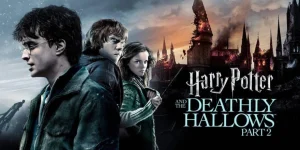
- Harry Potter and the Deathly Hallows – Part 2 (2011)
- Fantastic Beasts: The Crimes of Grindelwald (2018)