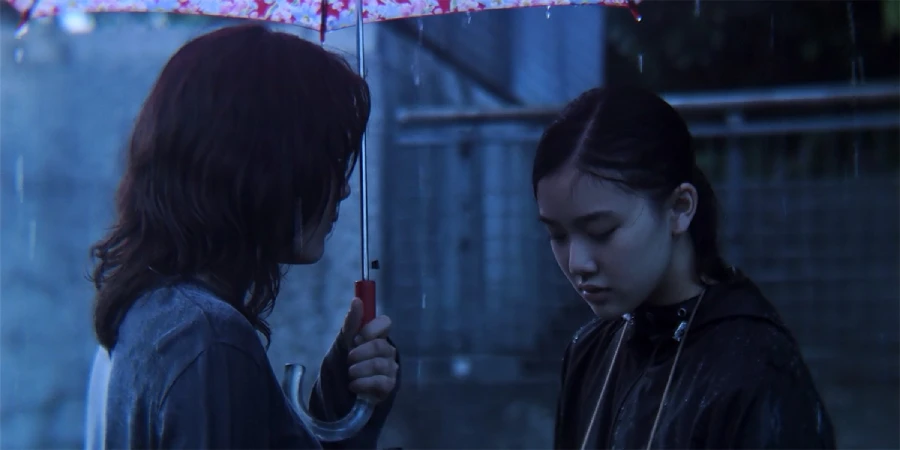

Hana & Alice (2004), directed by Shunji Iwai, is a tender, poetic coming-of-age drama that blends romance, comedy, and emotional realism. It follows two teenage girls—Hana and Alice—as they navigate friendship, obsession, young love, and identity. The film is gentle, observant, and heavily character-driven, showcasing Iwai’s signature soft, atmospheric filmmaking.
Detailed Summary
The Beginning: Two Girls, One Crush
Hana and Alice are inseparable best friends. Alice is confident, expressive, and unpredictable, while Hana is quieter, introverted, and often overshadowed by Alice’s personality. Together, they begin to follow (or lightly stalk, depending on how you see it) a boy named Miyamoto, a quiet and somewhat awkward classmate whom Hana develops a crush on.
Their harmless fascination starts as an after-school curiosity, but gradually, Hana’s feelings intensify into something more serious.
The Accident and the “Memory Loss” Lie
One day, Miyamoto accidentally knocks himself out by hitting his head on a metal door. Hana panics and decides this is a perfect opportunity to stage a bold romantic move. She convinces Miyamoto—who is woozy and confused—that he is her boyfriend but simply forgot because of “memory loss.”
Miyamoto, unsure of anything and too polite to challenge her, accepts the story. Alice, amused but also intrigued, supports Hana’s lie… at first.
This moment becomes the movie’s emotional turning point and sets up a complicated triangle of misunderstanding, desire, and teenage foolishness.
Alice and Miyamoto Get Closer
As Hana tries to maintain her fabricated relationship, she keeps pulling Alice into the lie to make it believable. This backfires when Miyamoto begins forming a natural connection with Alice instead. She becomes the one he talks to more easily, the one he seeks clarity from, the one he actually enjoys spending time with.
This creates tension between the two girls—the first crack in their friendship.
Hana’s Spiraling Jealousy
Watching the growing connection between Alice and Miyamoto, Hana becomes insecure and jealous. Her attempt to “win” a boyfriend through a lie slowly unravels, revealing her vulnerability. Meanwhile, Alice, though conflicted, tries to support Hana while sorting out her own feelings for Miyamoto.
The film uses subtle body language and quiet moments to show the emotional distance forming between the girls.
The Confrontation
Eventually, the truth starts to surface. Miyamoto wants answers. Alice is about to burst with guilt. Hana feels cornered. The tension culminates in a series of heartfelt conversations and emotional confrontations that challenge the bonds of friendship and loyalty.


Movie Ending
In the final act, the truth can no longer be hidden. Alice’s feelings come to light, and Miyamoto realizes the “memory loss boyfriend” story was a lie from the start. Instead of reacting with anger, he is mostly bewildered and embarrassed for not seeing through it.
Hana finally confesses—not just about the lie, but about her long-standing insecurities and her fear of losing both Miyamoto and Alice. Her emotional breakdown is one of the film’s most intimate moments, showing how deeply she relies on Alice’s presence.
Alice, demonstrating emotional maturity beyond her age, reassures Hana that their friendship is still important and real. They reconcile with a bond that feels more genuine and balanced.
As for Miyamoto, he does not “pick” either girl in a dramatic romantic twist. Instead, he walks away with a sense of personal growth, and the girls continue their friendship—stronger, wiser, and more honest.
The film ends on a gentle, understated note:
two girls stepping back into their friendship and youth, leaving behind one messy, bittersweet adventure.
Are There Post-Credits Scenes?
No. The film ends naturally with no mid-credits or post-credits scenes.
Type of Movie
A delicate blend of drama, romance, and coming-of-age storytelling, capturing the emotional turbulence and whimsical irrationality of adolescence.
Cast
- Yu Aoi as Tetsuko “Alice” Arisugawa
- Anne Suzuki as Hana Arai
- Tomohiro Kaku as Masashi Miyamoto
- Shoko Aida as Alice’s mother
- Sei Hiraizumi as Hana’s father
Film Music and Composer
The music is composed by Shunji Iwai himself, reflecting his signature ethereal, minimalist style. The soundtrack leans heavily on soft piano and gentle orchestration, making emotional moments feel more intimate and dreamy.



Filming Locations
Primarily filmed in Tokyo suburban areas, especially along quiet residential streets and local schools. These familiar, everyday Japanese settings are important because they ground the film in realism. The contrast between the girls’ dramatic emotional lives and these calm environments enhances the film’s nostalgic tone.
Awards and Nominations
While not a major international award winner, Hana & Alice received strong domestic acclaim in Japan and earned critical praise for:
- its performances (especially Yu Aoi)
- cinematography
- Iwai’s screenplay
Yu Aoi in particular received widespread recognition, cementing her status as one of Japan’s standout young actresses of the 2000s.
Behind the Scenes Insights
- The film was originally conceived from short commercials Iwai directed for KitKat.
- Many scenes were shot in long, unbroken takes, allowing the actors to perform with natural rhythm.
- Yu Aoi and Anne Suzuki spent time together off-set to build authentic chemistry.
- Shunji Iwai encouraged improvisation, especially in dialogue-heavy scenes.
- The film was shot largely with handheld cameras to capture a documentary-like intimacy.
Inspirations and References
- Inspired by Iwai’s personal interest in adolescence, memory, and the fragility of friendships.
- Loosely influenced by the tone of Blue Spring and All About Lily Chou-Chou (also Iwai’s work).
- Draws thematic parallels to French coming-of-age cinema, focusing on atmosphere over plot.
Alternate Endings and Deleted Scenes
There are no known alternate endings. However:
- Several school scenes and comedic moments involving side characters were trimmed for pacing.
- Early drafts focused more on Alice’s ballet career, but these elements were reduced in the final cut.
Book Adaptations and Differences
Hana & Alice is not based on a book. However, it later inspired:
- A manga adaptation
- A prequel anime film (The Case of Hana & Alice, 2015)
These expansions explore the characters’ lives with additional background but maintain the film’s themes.


Memorable Scenes and Quotes
Key Scenes
- Hana witnessing Miyamoto knock himself out—accidentally creating the lie.
- Alice performing ballet, symbolizing her internal conflict and desire for freedom.
- The confrontation where Miyamoto begins doubting the memory-loss story.
- The emotional reconciliation between Hana and Alice near the end.
Iconic Quotes
- “If you don’t remember, then I’ll remind you again and again.”
- “Being friends with you is the only thing that feels real right now.”
- “Sometimes lies start small, but they grow faster than the truth.”
Easter Eggs and Hidden Details
- Posters in Alice’s room reference Iwai’s earlier works.
- The recurring motif of trains represents transitions and emotional movement.
- The ballet sequences subtly foreshadow The Case of Hana & Alice (2015).
- The girls’ mirrored body language in early scenes gradually becomes distinct as tension grows.
Trivia
- Yu Aoi was only 18 during filming but performed nearly all ballet scenes herself.
- Shunji Iwai handled writing, music, and editing in addition to directing.
- The film is often studied in Japanese film courses for its portrayal of adolescent psychology.
- The “memory loss boyfriend” storyline was inspired by a rumor Iwai heard in high school.
Why Watch?
Because it perfectly captures the awkward beauty of teenage emotions, blending humor, longing, and heartbreak into something incredibly sincere. It’s subtle, atmospheric, and deeply human—ideal for viewers who enjoy character-driven storytelling.
Director’s Other Movies
- Love Letter (1995)
- All About Lily Chou-Chou (2001)
- Swallowtail Butterfly (1996)
- April Story (1998)
- A Bride for Rip Van Winkle (2016)
Recommended Films for Fans
- Linda Linda Linda (2005)
- A Gentle Breeze in the Village (2007)
- Blue Spring (2001)
- Nobody Knows (2004)
- The Case of Hana & Alice (2015)