Sergio Leone’s For a Few Dollars More stands as one of the most influential Spaghetti Westerns ever made. Mixing operatic tension, stylish violence, and Ennio Morricone’s unforgettable score, it delivers a tale of revenge, greed, and uneasy alliances.
Detailed Summary
Opening: Two Bounty Hunters, Two Motivations
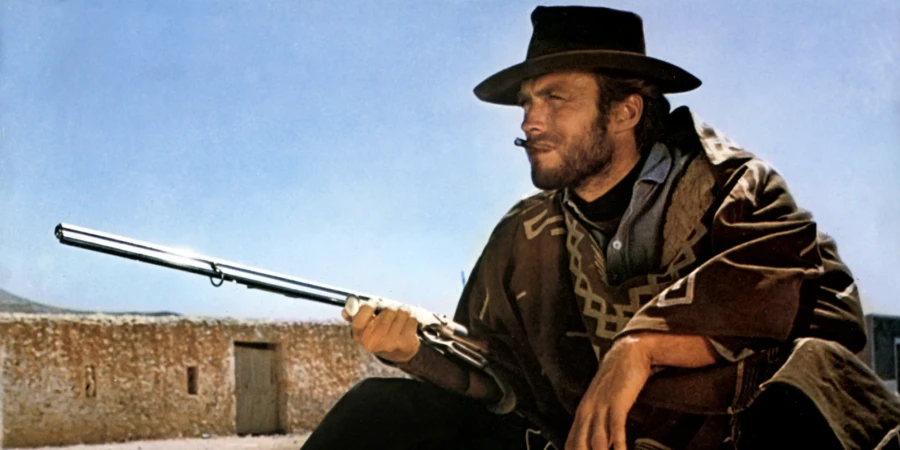
The film introduces two sharpshooters: Colonel Douglas Mortimer (Lee Van Cleef), a former Army officer turned bounty hunter, and Manco (Clint Eastwood), a young, efficient, and famously calm gunman. Both are after wanted criminals for the bounty money, establishing their competence and ruthlessness through quick, efficient gunfights.
Indio’s Escape and Rise
The story’s villain, El Indio (Gian Maria Volonté), escapes from prison with help from his gang. Indio is not just a criminal; he’s a sadistic, intelligent outlaw haunted by a traumatic memory tied to a musical pocket watch he carries. The watch becomes a central plot device and symbolizes Mortimer’s tragic past, though the film keeps this connection mysterious until its finale.
The Alliance No One Expected
Manco and Mortimer’s paths cross when both pursue Indio’s increasingly valuable bounty. After a tense encounter that ends in mutual respect, they form an uneasy partnership, each with their own agenda. Manco infiltrates Indio’s gang by posing as a ruthless outlaw. Mortimer pretends to be a safecracker, integrating himself cleverly into the gang’s heist plans.
The Bank of El Paso Heist
Indio orchestrates one of the genre’s most iconic robberies: breaking into the seemingly impenetrable Bank of El Paso. Though Manco and Mortimer help execute the job, their real intention is to capture Indio afterward and claim the hefty reward. The heist is tense, cleverly choreographed, and exemplifies Leone’s talent for visual storytelling.
Betrayals and Shifting Loyalties
After the heist, Indio double-crosses his gang, planning to keep the gold for himself. Manco and Mortimer attempt to arrest them, leading to betrayals, chaotic shootouts, and the film’s slow build toward the emotional truth behind Mortimer’s mission.

Movie Ending
The climax occurs in a deserted churchyard, where Mortimer finally confronts Indio. The truth is revealed:
Indio once murdered Mortimer’s sister after assaulting her, leaving Mortimer with a lifelong wound—and a reason for vengeance. The matching pocket watches (Indio’s and Mortimer’s) confirm their shared history, and the movie’s slow-burn emotional tension erupts.
Indio suggests a duel, using the music of Mortimer’s watch to signal when to fire. When the music stops, they draw. But Manco secretly intervenes, placing his own identical watch so the music continues. The unexpected trick gives Mortimer the time he needs to win the duel. Mortimer kills Indio, finally achieving his long-awaited justice.
Instead of taking the massive bounty for himself, Mortimer declines the money, feeling his quest has already been completed. Manco loads the bodies of the entire gang—every last one—into a wagon to claim the rewards. As he departs, Mortimer gives a slight nod of respect, and the film closes with Morricone’s unforgettable score soaring.
Are There Post-Credits Scenes?
No, For a Few Dollars More has no post-credits scenes. Like most films of its era, it ends once the story concludes.
Type of Movie
This film is a stylized Spaghetti Western blending revenge drama, anti-hero character study, and operatic action. Its tone is gritty yet poetic, defined by Leone’s masterful pacing and Morricone’s emotional score.
Cast
- Clint Eastwood – Manco
- Lee Van Cleef – Colonel Douglas Mortimer
- Gian Maria Volonté – El Indio
- Mario Brega – Niño
- Luigi Pistilli – Groggy
- Klaus Kinski – The Hunchback
Film Music and Composer
The music is composed by Ennio Morricone, whose work in this film is not only iconic but essential to its atmosphere.
His use of the pocket watch melody—a theme that becomes a psychological trigger and a countdown to death—is one of the most memorable musical devices in any Western.

Filming Locations
The movie was filmed largely in Spain, especially:
- Almería – Desert landscapes used for open plains and chase sequences
- Madrid studios – Interior and controlled environment scenes
- Guadix and Granada – Village and hilltop town settings
These locations helped define the entire Spaghetti Western look. Their harsh sunlight, barren terrain, and dusty vistas became visual signatures of the genre.
Awards and Nominations
Although not heavily recognized by major international award bodies at the time, the film grew into a critical classic and is now considered one of the greatest Westerns ever made. Its influence is vast, particularly in the realms of cinematography and film scoring.
Behind the Scenes Insights
- Lee Van Cleef was struggling financially before being cast; Leone revived his career overnight.
- Morricone composed the watch melody before filming, and Leone timed scenes around it.
- Leone originally wanted Charles Bronson again, but he declined, leading Leone to cast Van Cleef.
- Clint Eastwood kept the poncho from the first film and wore it again here.
- Gian Maria Volonté insisted on adding psychological depth to Indio, creating the character’s haunting flashback.
Inspirations and References
The film draws heavily from:
- The Italian comic series Tex – stylistic influence
- Classic American Westerns – narrative structure
- Japanese samurai cinema, especially the idea of lone warriors with moral codes
- Morricone’s own experimental soundscape techniques helped shape the script and story tone
Alternate Endings and Deleted Scenes
There are no known alternate endings filmed, but early scripts featured:
- More extensive flashbacks to Mortimer’s sister
- Longer scenes depicting Indio’s cruelty
- A more elaborate version of the El Paso heist
Most were cut to preserve pacing and maintain the focus on the central trio.
Book Adaptations and Differences
The film is not directly based on a book, but it shares DNA with pulp Western novels and Leone’s own influences from Japanese cinema. Themes of revenge, honor, and strategic dueling echo samurai tales, though the film’s narrative is mostly original.
Memorable Scenes and Quotes
Key Scenes
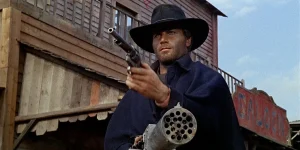
- Manco’s icy, silent introduction as he guns down a wanted man
- Mortimer blowing a cigar from Manco’s mouth, then Manco shooting his hat repeatedly
- The musical pocket watch duel
- The El Paso safe explosion
- Indio’s haunting flashback triggered by the watch
Iconic Quotes
- Manco: “When the music stops, pick up your gun. Try and shoot me, Colonel.”
- Indio: “The music box is playing… so we must wait.”
- Manco: “I don’t think it’s nice, you laughin’.”
- Mortimer: “This time, Indio, you’re all alone.”
Easter Eggs and Hidden Details
- Manco’s poncho foreshadows the “Man With No Name” identity solidified in The Good, the Bad and the Ugly.
- The watch melody is an expanded version of an earlier Morricone composition, modified specifically for Leone’s timing.
- A gravestone in one scene bears the name “Sergio,” referencing Leone.
Trivia
- The film is the second installment in Leone’s Dollars Trilogy.
- Eastwood brought some of his own props from the previous film to maintain character continuity.
- Klaus Kinski filmed his scenes in just a few days but created one of the movie’s most memorable villains.
Why Watch?
Because it’s one of the defining Westerns in cinema, combining striking visuals, a gripping revenge plot, unforgettable characters, and Morricone’s masterwork score. Fans of stylized action, slow-burn tension, and anti-hero storytelling will find it one of the most rewarding Westerns ever made.
Director’s Other Movies
- A Fistful of Dollars (1964)
- The Good, the Bad and the Ugly (1966)
- Once Upon a Time in the West (1968)
- Duck, You Sucker! (1971)
- Once Upon a Time in America (1984)