
Duel (1971), Steven Spielberg’s first feature-length film, is a tense, minimalistic thriller that proves you don’t need aliens, dinosaurs, or futuristic cities to terrify people—sometimes one truck is enough.
Detailed Summary
The Setup: A Simple Drive Turns Sinister
David Mann (Dennis Weaver), an everyday salesman, is driving across the California desert for a business meeting. He overtakes a seemingly ordinary tanker truck—an action so mundane that it shouldn’t matter, yet this one moment triggers the nightmare that follows.
Mann soon realizes that the truck driver, whose face remains hidden, has taken his pass as a personal insult. What starts as mild road annoyance escalates into a violent, psychological cat-and-mouse game on open highways where no one can help him.
The Escalation: The Truck Becomes a Predator
The truck tailgates him, cuts him off, and repeatedly attempts to crash into him. Mann tries to find safety—gas stations, diners, telephone booths—but the truck is always nearby, waiting.
A particularly chilling moment occurs when Mann enters a diner convinced the truck’s driver is inside. He scans the room, terrified, realizing anyone could be the faceless man trying to kill him. This sequence shows Mann’s unraveling mental state and introduces one of the film’s strongest themes: paranoia in the face of an unseen threat.
The Desperation: No Escape in the Desert
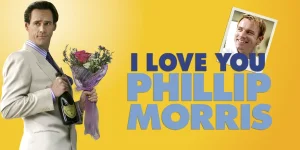
The trucker’s attacks grow more brazen—trying to push Mann into a moving train, attempting to run down a stranded school bus, and nearly destroying Mann’s car multiple times.
The more Mann tries to reason his way out of danger, the clearer it becomes that the driver is not acting out of road rage alone. The man behind the wheel is never seen, which makes the truck itself feel like a sentient creature hunting its prey.
Movie Ending
The climax occurs on a lonely desert stretch where Mann makes his final stand. His car is barely functioning, he’s exhausted, terrified, and almost out of options. In a desperate move, he sets up a trap: wedging the accelerator so the car will speed ahead on its own. He jumps out just in time, sending the empty vehicle straight toward the pursuing truck.
The truck crashes into the car head-on, but instead of stopping smoothly, it drives itself off a cliff in a slow, agonizing descent—almost like a dying animal. It hits the ground in a fiery explosion.
The driver is never shown, even in the wreckage, reinforcing Spielberg’s choice to keep the antagonist more symbolic than human: a force of chaos, rage, and faceless menace.
Mann stands at the cliffside, bruised, bleeding, and emotionally drained. As the sun sets, he throws rocks down the cliff, laughing and crying—relief, shock, and survival all mixing together. The film ends with him alone in the desert, silhouetted against the burning wreck, finally free but changed forever.
Are There Post-Credits Scenes?
No, Duel does not include any post-credits scenes. Once the story ends, the credits roll and that’s it.
Type of Movie
Duel is a tightly crafted psychological thriller and survival drama. It blends minimalism with relentless tension, building fear through pacing, isolation, and the unknown, rather than gore or action.
Cast
- Dennis Weaver as David Mann
- Jacqueline Scott as Mrs. Mann (voice/phone sequences)
- Eddie Firestone as Café Owner
- Lou Frizzell as School Bus Driver
- Carey Loftin performed the physical driving of the truck
- The truck driver’s face is never shown, maintaining Spielberg’s intended mystery
Film Music and Composer
The suspenseful, minimalist score was composed by Billy Goldenberg, enhancing the tension without overwhelming the film’s natural soundscape. Much of the terror comes from engine roars, screeching tires, and silence—Goldenberg’s music works subtly beneath these elements.
Filming Locations
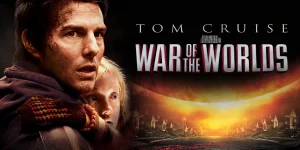
Duel was primarily shot across California’s desert highways, including:
- Santa Clarita Valley
- Soledad Canyon Road
- Acton
- Vasquez Rocks area
These long, empty stretches were essential to the story. Their isolation amplifies Mann’s helplessness and the sense that there is no escape. The landscape becomes almost a character itself—dry, hot, and indifferent.
Awards and Nominations
- Won Emmy Award for Outstanding Achievement in Film Sound Editing
- Nominated for Golden Globe’s Best Movie Made for TV
- Widely acclaimed as one of the greatest TV movies ever produced, later released theatrically due to international demand
Behind the Scenes Insights
- Spielberg shot the entire movie in just 13 days, proving even early in his career he could work under pressure.
- Three different trucks were used because Spielberg needed backup vehicles for stunts and because one was destroyed during filming.
- Dennis Weaver improvised many moments of panic, adding realism.
- The anonymity of the truck driver was inspired by Spielberg’s belief that “the unknown is scarier than the known.”
- Much of the film was shot in extreme heat—sometimes over 40°C—which contributed to the exhausted performances.
Inspirations and References
- Based on a short story by Richard Matheson published in Playboy magazine.
- Matheson was inspired by a real road-rage incident he experienced involving a truck tailgating him.
- The faceless horror aspect echoes classic monster films where the creature is rarely seen directly.
Alternate Endings and Deleted Scenes
There are no widely circulated alternate endings. However, early drafts included more dialogue and attempts by Mann to confront the truck driver. Spielberg removed these to keep the tension lean, wordless, and primal.
Book Adaptations and Differences
The movie is based directly on Matheson’s short story. Key differences include:
- The story is more internal, focusing heavily on Mann’s psychological panic.
- Mann is portrayed as more neurotic in the story, while the film shows him as an everyman pushed to his limits.
- Spielberg added several action sequences not found in the text, including the famous train-crossing scene.
Memorable Scenes and Quotes
Key Scenes
- Mann realizes the truck driver is in the diner and tries to guess his identity.
- The school bus scene where Mann attempts to help stalled children—only for the truck to return.
- The repeated attempts by the truck to run Mann off the road at the canyon edges.
- The final sacrifice of Mann’s car to destroy the truck.
Iconic Quotes
- “You can’t beat me on the grade!”
- “Come on! Come on! Come on!” (Mann screaming in desperation)
- “It’s just a truck. It’s only a truck.”
Easter Eggs and Hidden Details
- The truck was deliberately aged and dirtied to appear like a predator covered in its victims’ remains.
- License plates from multiple states are bolted to the truck—possibly trophies from past victims.
- The car’s color, bright red, symbolizes Mann as a target.
- Spielberg reused some sound effects from this film in later works, including Jaws.
Trivia
- Spielberg was only 24 years old when he directed Duel.
- The film is often studied in film schools for its mastery of tension.
- The movie was such a hit overseas that Universal expanded it, adding new scenes to reach theatrical runtime.
- Spielberg operated some of the camera rigs himself from inside the car.
Why Watch?
Because Duel is one of the purest, tightest thrillers ever made. It strips cinema down to its essentials—fear, survival, and the unknown. If you enjoy suspense driven by atmosphere rather than clichés, this film is a masterclass. It’s also a fascinating early look at Spielberg’s talent, showcasing techniques he would later refine in Jaws.
Director’s Other Movies
- Jaws (1975)
- Close Encounters of the Third Kind (1977)
- E.T. the Extra-Terrestrial (1982)
- Raiders of the Lost Ark (1981)
- Schindler’s List (1993)
- Saving Private Ryan (1998)
Recommended Films for Fans
- Jaws (1975)
- Breakdown (1997)
- The Hitcher (1986)
- Mad Max (1979)
- Christine (1983)