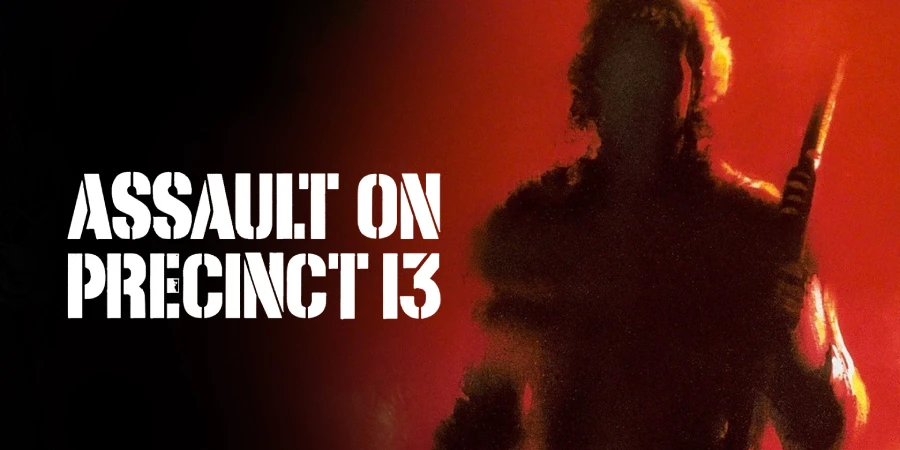

Assault on Precinct 13 is a lean, gritty, and highly influential cult classic directed by John Carpenter. Made on a very low budget, the film blends urban crime, siege thriller, and minimalist horror into a brutally efficient experience. It’s often described as a western in modern clothing—and once you see it, that comparison sticks.
Detailed Summary
The Opening: A City on Edge
The film opens in Los Angeles, where police are conducting a covert operation to dismantle violent street gangs. This immediately establishes a bleak, hostile urban environment. Carpenter wastes no time showing how random and merciless violence will be in this story.
The Ice Cream Scene: Violence Without Warning
One of the film’s most shocking moments occurs early: a young girl is casually shot and killed by gang members while buying ice cream. There is no buildup, no dramatic framing—just cold, sudden death. This scene sets the tone and signals that no one is safe.
The Closing Precinct
Lieutenant Ethan Bishop is tasked with overseeing the shutdown of Precinct 13, a nearly abandoned police station awaiting demolition. Only a skeleton crew remains, including secretary Leigh and officer Julie.
The Arrival of the Prisoners
A bus transporting dangerous prisoners is forced to stop at the precinct due to an emergency. Among them is Napoleon Wilson, a convicted killer with a dry wit and mysterious calm. The prisoners are temporarily housed inside, unintentionally increasing the tension.
The Siege Begins
The street gang, operating almost like a silent army, surrounds the precinct. Their motivation is simple and chilling: revenge against the police. What follows is a relentless siege, with waves of attacks, gunfire, and mounting casualties.
The gang members are nearly silent, anonymous, and emotionless—more force of nature than people. This makes them terrifying and symbolic rather than realistic.
Survival and Unlikely Alliances
As resources dwindle and help fails to arrive, cops and criminals are forced to work together. The film’s emotional core lies in this uneasy alliance, particularly between Bishop and Wilson. Trust is earned through action, not words.
Movie Ending
The final act intensifies as the attackers breach the station. Several characters are killed, including key members of the precinct staff, reinforcing the film’s theme that heroism does not guarantee survival.
Lieutenant Bishop and Napoleon Wilson fight back-to-back in the precinct’s final stand. Ammunition runs low, and escape seems impossible. Just as the situation becomes hopeless, police reinforcements finally arrive, overwhelming the gang and ending the siege.
In the final moments, Bishop escorts Wilson out of the precinct. When asked about Wilson’s status, Bishop pauses, then wordlessly places Wilson’s hand into his own handcuffs, implying protection rather than imprisonment. It’s a quiet but powerful gesture—suggesting respect, shared survival, and moral ambiguity rather than justice neatly restored.
The precinct is left in ruins. The violence has ended, but nothing feels triumphant. Survival itself is the victory.
Are There Post-Credits Scenes?
No. Assault on Precinct 13 ends definitively with no post-credits or mid-credits scenes. The abrupt ending matches the film’s minimalist and uncompromising tone.
Type of Movie
Assault on Precinct 13 is a siege thriller blending crime, action, and horror elements. It plays like a modern urban western, emphasizing isolation, loyalty, and survival under pressure.
Cast
- Austin Stoker as Lt. Ethan Bishop
- Darwin Joston as Napoleon Wilson
- Laurie Zimmer as Leigh
- Martin West as Lawson
- Tony Burton as Wells
Film Music and Composer
The iconic score was composed by John Carpenter himself. Built around a hypnotic, pulsing synth melody, the music is simple yet unforgettable. It heightens tension and gives the film a mechanical, relentless rhythm that mirrors the siege.
Filming Locations
The movie was shot almost entirely in Los Angeles, primarily using a real abandoned police station scheduled for demolition. This gave the film a gritty authenticity and allowed Carpenter to literally destroy parts of the set during filming. The confined, decaying location reinforces the themes of isolation and urban decay.
Awards and Nominations
While largely ignored upon initial release in the U.S., the film gained significant critical recognition in Europe:
- Won Best Film at the 1977 Avoriaz Fantastic Film Festival
- Later recognized as a cult classic and frequently cited in lists of influential independent films
Behind the Scenes Insights
- The entire film was shot in about 20 days
- Budget constraints forced Carpenter to use long takes and minimal coverage
- The ice cream scene was intentionally shocking to unsettle audiences early
- Many actors performed their own stunts
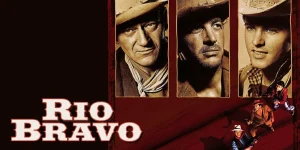
- Carpenter was heavily inspired by classic westerns, especially Rio Bravo
Inspirations and References
- Rio Bravo (1959) – siege structure and unlikely alliances
- Night of the Living Dead (1968) – relentless external threat
- Classic Howard Hawks westerns
- Urban crime fears of 1970s America
Alternate Endings and Deleted Scenes
No official alternate ending exists. However, several character moments and extended dialogue scenes were trimmed to maintain the film’s tight pacing. Carpenter later stated that ambiguity was always the goal.
Book Adaptations and Differences
The film is not based on a book. It is an original screenplay by John Carpenter, though its structure mirrors classic western storytelling.
Memorable Scenes and Quotes
Key Scenes
- The ice cream shop shooting
- The first coordinated gang assault
- Napoleon Wilson sharing a final cigarette
- The silent walk through the darkened precinct corridors
Iconic Quotes
- Napoleon Wilson: “I was sentenced to death. I don’t know why.”
- Bishop: “You help us, we help you. That’s the deal.”
Easter Eggs and Hidden Details
- The gang members never speak, emphasizing their symbolic nature
- The number of attackers feels endless, despite a limited cast
- The film’s structure mirrors a three-act western showdown
- Carpenter reused musical ideas later in Halloween
Trivia
- The movie directly inspired The Terminator (1984)
- A remake was released in 2005, though it differs significantly in tone
- Quentin Tarantino has cited the film as a major influence
- Carpenter was only 28 years old when he made it
Why Watch?
If you appreciate tight pacing, minimalist storytelling, and pure tension, this film is essential viewing. It proves that atmosphere and discipline matter more than budget. Assault on Precinct 13 is short, brutal, and unforgettable.