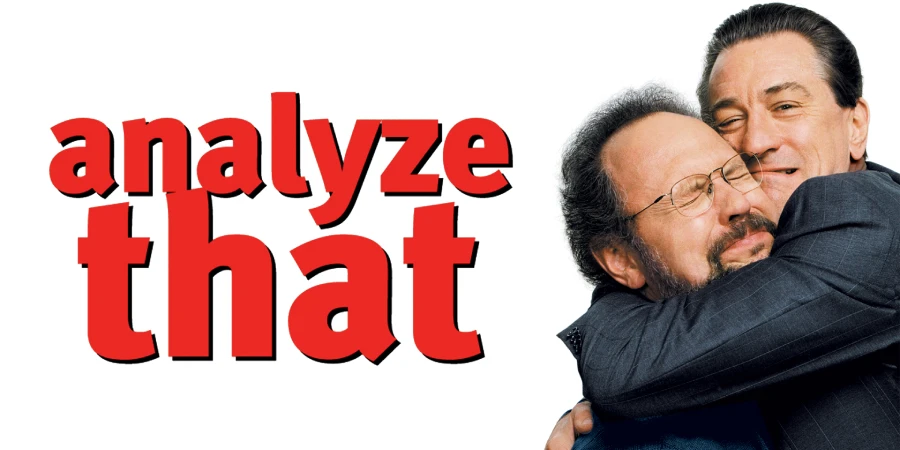

Analyze That (2002), directed by Harold Ramis, is the sequel to the hit crime-comedy Analyze This (1999). Once again, it follows the bizarre professional relationship between mob boss Paul Vitti and psychiatrist Dr. Ben Sobel.
Detailed Summary
Vitti’s Breakdown and Release
Paul Vitti (Robert De Niro), now in prison, begins acting erratically—singing show tunes, staring blankly, and seemingly losing his mind. The authorities suspect he’s faking it. Enter Dr. Ben Sobel (Billy Crystal), reluctantly called in to evaluate him. Sobel, grappling with grief after his father’s recent death, is hardly in the emotional state to deal with Vitti again.
Sobel determines that Vitti appears to be genuinely unwell. The authorities agree to release Vitti into Sobel’s custody on the condition that the doctor continue treating him and keep him out of trouble—a nearly impossible task.
Vitti Attempts to Go Straight
Trying to live legitimately, Vitti takes jobs such as car salesman, jewelry store clerk, and even security guard. All fail spectacularly due to his very recognizable face and intimidating mobster tendencies. Meanwhile, a turf war brews among New York’s crime families, and Vitti’s name inevitably resurfaces.
The TV Show Gig
In a creative twist, Vitti ends up hired as a consultant for a fictional mob TV show. His expertise proves invaluable, though his presence creates chaos behind the scenes. This subplot adds highly comedic moments but also sets up the film’s shift back into the criminal world.
Crime Families Closing In
Sobel begins to suspect that Vitti isn’t as mentally unstable as he seems—in fact, it becomes increasingly clear Vitti faked much of his breakdown to get out of prison and survive ongoing mob tensions. Old rivals want him dead, and certain criminal factions believe he’s planning a comeback.


Movie Ending
Everything converges when Sobel is kidnapped by mobsters who believe he has information about Vitti’s supposed return to power. Vitti, realizing Sobel is in danger, takes action with his old crew.
In the climax, Vitti storms the gang hideout and rescues Sobel. During the confrontation, Sobel finally gains emotional clarity, confronting his unresolved grief and pent-up frustration. This moment is played for both humor and genuine emotional payoff.
The authorities arrive, and Vitti—caught in the middle of the chaos—is arrested yet again. But instead of returning to traditional prison, he’s incarcerated in a lower-security facility where his behavior is monitored but stable. In the final scene, Sobel visits him; their relationship remains complicated but intact. Vitti jokingly reassures Sobel that he’s truly trying to get better, and Sobel—knowing better—limits his hopes to “as good as it’s going to get.”
It’s a neatly wrapped ending that closes the emotional arcs while keeping the comedy intact.
Are There Post-Credits Scenes?
No, Analyze That does not feature any mid-credits or post-credits scenes.
Type of Movie
The film is a crime-comedy with strong buddy-comedy elements, blending gangster movie tropes with psychological humor and character-driven wit.
Cast
- Robert De Niro as Paul Vitti
- Billy Crystal as Dr. Ben Sobel
- Lisa Kudrow as Laura Sobel
- Joe Viterelli as Jelly
- Cathy Moriarty-Gentile as Patti LoPresti
- Reg Rogers as Raoul Berman
Film Music and Composer
The score was composed by David Holmes, known for stylish, energetic soundtracks. The music leans into jazzy crime-film energy with comedic undertones fitting the movie’s tone.

Filming Locations
Filming took place primarily in New York City, especially around Manhattan and Brooklyn. These locations contribute significantly to the film’s atmosphere, grounding the humor in a recognizable, gritty urban world that contrasts with the absurdity of Vitti’s attempts at leading a normal life. Studio work was also completed in Los Angeles for interior sequences.
Awards and Nominations
The film did not receive major awards but did earn some lighter-category nominations, reflecting its popularity rather than critical acclaim. The performances of De Niro and Crystal remained the main highlight in most reviews.
Behind the Scenes Insights
- Harold Ramis and Billy Crystal reworked several scenes on set to keep the comedy natural.
- Robert De Niro intentionally played Vitti “more tired” in early scenes to underline the character’s mental-breakdown façade.
- Filming the TV-show-within-the-movie sequences required building a full replica “mob show” set.
- Joe Viterelli (Jelly) returned despite health issues because he loved the cast chemistry.
Inspirations and References
- The film draws heavily from mob-movie culture, particularly classics like Goodfellas and Casino, often parodying their tone.
- It continues themes from the first movie, which itself was inspired by real cases of organized crime figures seeking therapy.
Alternate Endings and Deleted Scenes
- A deleted scene showed Vitti working briefly as a wedding singer, which tested well for humor but was removed for pacing.
- An alternate ending had Vitti remain free, but test audiences preferred the version where he returns to monitored custody, reinforcing the comedic cycle of “Vitti can’t escape who he is.”
Book Adaptations and Differences
Analyze That is not based on a book, though it takes cues from psychological case studies and real-world mafia history. No direct adaptation exists.


Memorable Scenes and Quotes
Key Scenes
- Vitti singing West Side Story numbers in prison.
- The jewelry-store robbery attempt where Vitti accidentally terrifies customers while trying to help.
- Sobel’s emotional breakdown during a heated argument with Vitti.
- The final shootout and rescue scene at the gang hideout.
Iconic Quotes
- “You don’t hear the word ‘no’ very often, do you?”
- “I’m reformed… well, reform-ish.”
- “I know you’re faking. And you know I know you’re faking.”
Easter Eggs and Hidden Details
- A background TV in one scene shows a parody of The Sopranos.
- Billy Crystal improvised several therapy-session lines, noticeable because De Niro visibly tries not to laugh.
- The mob-show scenes contain nods to actual HBO productions.
Trivia
- Joe Viterelli passed away shortly after the film’s release; this was one of his final roles.
- Some scenes were shot just days after 9/11, resulting in script rewrites to avoid insensitive humor.
- Robert De Niro did several takes of the musical scenes because he found them intentionally embarrassing.
Why Watch?
Because it combines sharp comedic timing, mob-movie parody, and the irresistible chemistry between De Niro and Crystal. If you enjoy crime comedies with emotional undertones—or simply want a lighter follow-up to classic gangster films—this is an entertaining, easily rewatchable option.
Director’s Other Works
- Caddyshack (1980)
- Groundhog Day (1993)
- Multiplicity (1996)
- Analyze This (1999)
- Year One (2009)
Recommended Films for Fans
- Analyze This (1999)
- Midnight Run (1988)
- The Whole Nine Yards (2000)
- Get Shorty (1995)