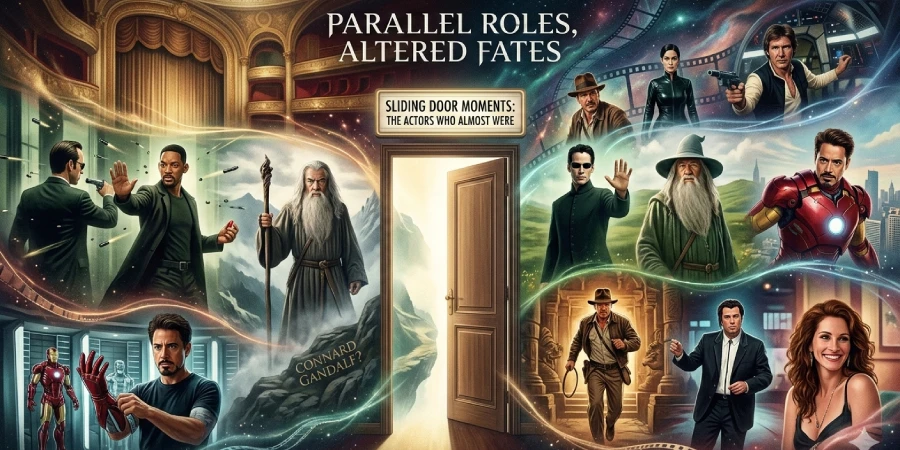

Imagine a world where Tom Cruise played Iron Man, or Sean Connery brought Gandalf to life. These aren’t just fan theories—they’re real casting decisions that almost happened. The entertainment industry is filled with sliding-door moments where actors turned down roles that would later become legendary, or came within a hair’s breadth of landing parts that defined their colleagues’ careers.
These actors who almost played your favorite characters reveal fascinating insights into how chance, timing, and gut instinct shape the movies we love.
Let’s dive into 20 jaw-dropping examples of actors who almost were cast in memorable roles that would have changed film history.
The Superhero Near-Misses
Will Smith as Neo (The Matrix)
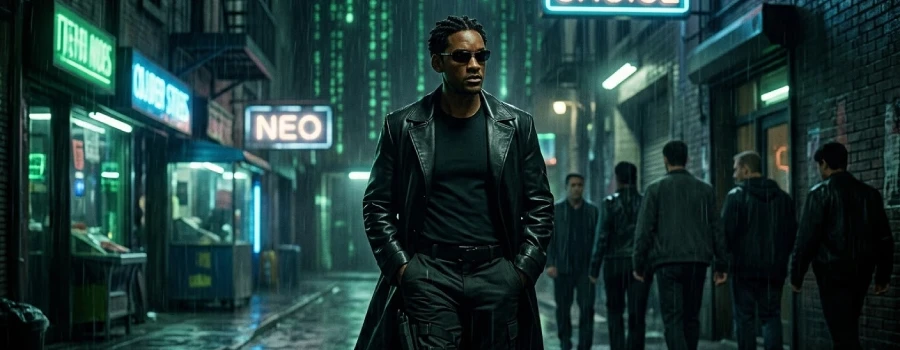
Before Keanu Reeves donned the black coat and sunglasses, Will Smith was offered the lead role in The Matrix. Fresh off Men in Black’s success, Smith turned it down to star in Wild Wild West instead—a decision he’s openly admitted regretting. The Wachowskis’ philosophical sci-fi masterpiece went on to redefine action cinema, while Smith learned a valuable lesson about choosing projects.
Tom Cruise as Iron Man
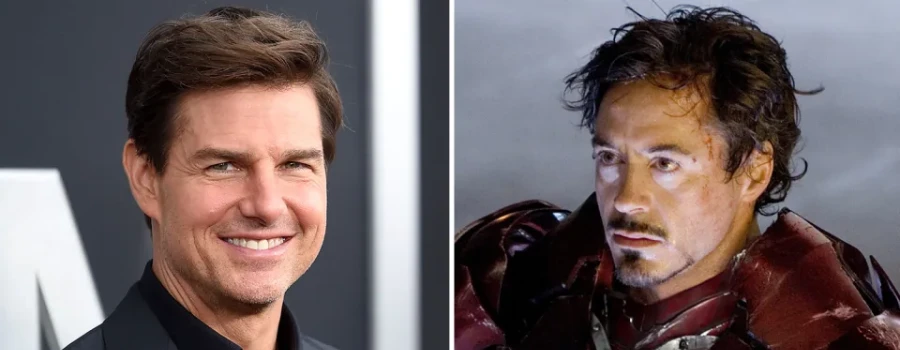
Years before Robert Downey Jr. became synonymous with Tony Stark, Tom Cruise was in serious discussions to play Iron Man. In the early 2000s, before Marvel Studios found its footing, Cruise was attached to the project. The role eventually went to Downey Jr., whose portrayal launched the entire Marvel Cinematic Universe and became one of cinema’s most iconic performances.
Emily Blunt as Black Widow
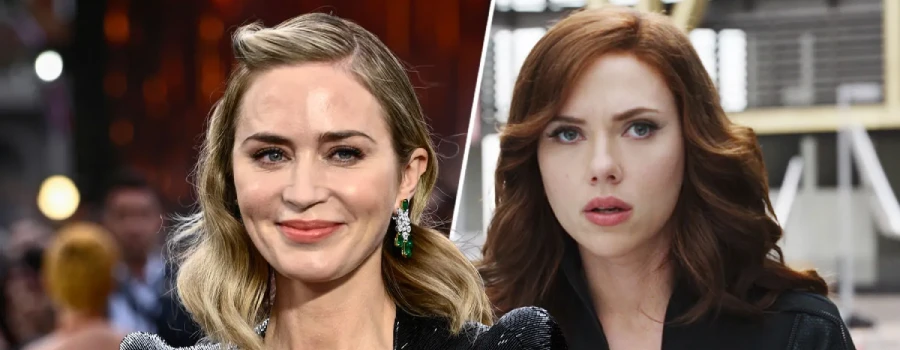
Emily Blunt was originally cast as Natasha Romanoff in Iron Man 2, but scheduling conflicts with Gulliver’s Travels forced her to drop out. Scarlett Johansson stepped in and made the role her own across multiple MCU films. Blunt later joined the superhero genre differently, starring in Edge of Tomorrow.
Classic Film What-Ifs
Tom Selleck as Indiana Jones
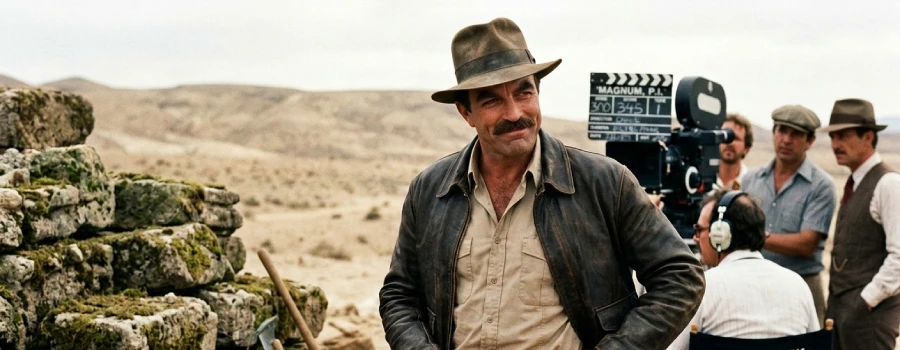
Tom Selleck was Steven Spielberg’s first choice for Indiana Jones, and the role was actually offered to him. However, his commitment to the TV series Magnum P.I. prevented him from accepting. Harrison Ford stepped in and created one of the most beloved adventure heroes in cinema history. Selleck has maintained good humor about this famous near-miss throughout his career.
Sean Connery as Gandalf
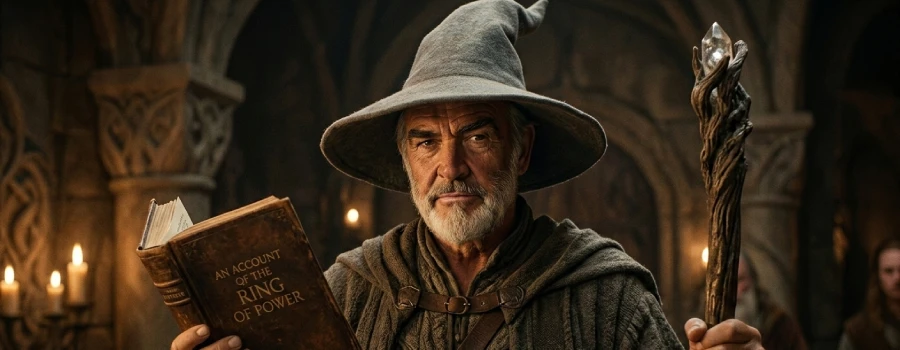
Peter Jackson offered Sean Connery the role of Gandalf in The Lord of the Rings trilogy, reportedly with a $400 million payday including backend points. Connery turned it down, admitting he “never understood the script.” Ian McKellen’s magical performance became definitive, though one can’t help wondering how 007 would have wielded a wizard’s staff.
John Travolta as Forrest Gump
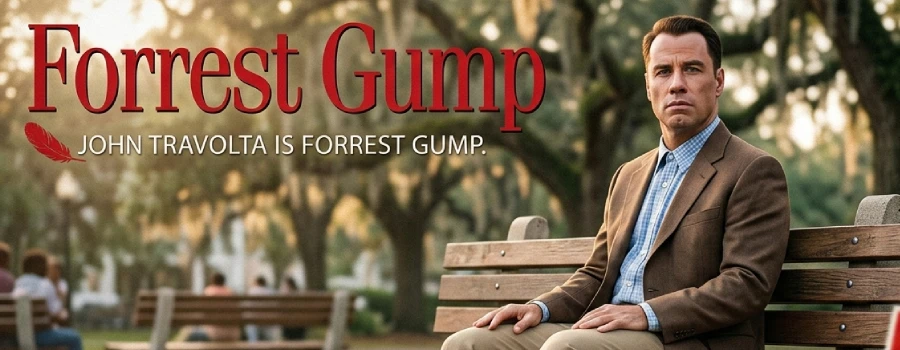
Before Tom Hanks ran across America in those iconic Nikes, John Travolta was offered the title role in Forrest Gump. Travolta passed, choosing to make Pulp Fiction instead—which ironically revitalized his career. Hanks won his second consecutive Oscar for the role, while both actors ended up with career-defining 1994 performances.
Modern Blockbuster Alternatives
Henry Cavill as Edward Cullen
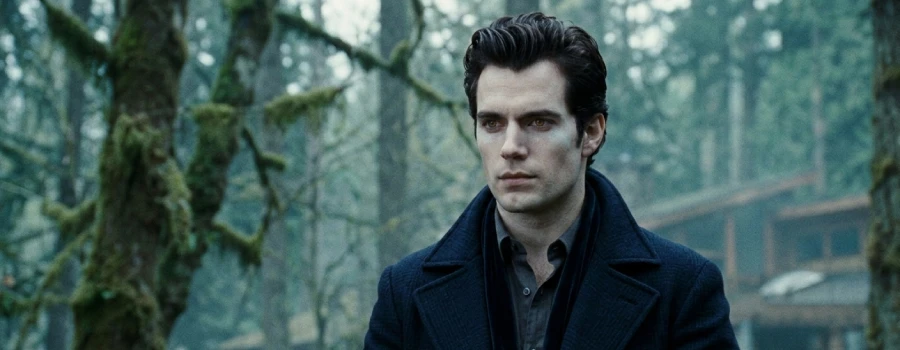
Before Robert Pattinson sparkled in Twilight, Henry Cavill auditioned for Edward Cullen. Director Catherine Hardwicke felt he looked too mature for the high school vampire (he was 24 at the time). Cavill went on to play Superman, while Pattinson’s career trajectory took him from teen heartthrob to acclaimed indie actor and eventually Batman.
Matthew McConaughey as Jack in Titanic
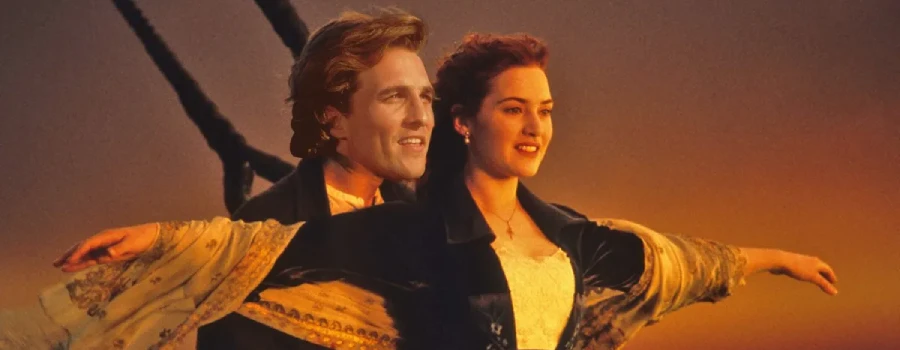
Matthew McConaughey read for the role of Jack Dawson in Titanic before Leonardo DiCaprio landed the part. James Cameron ultimately felt DiCaprio had the right combination of vulnerability and charm for the role. Both actors went on to have legendary careers, with McConaughey winning an Oscar for Dallas Buyers Club years later.
Leonardo DiCaprio as Patrick Bateman
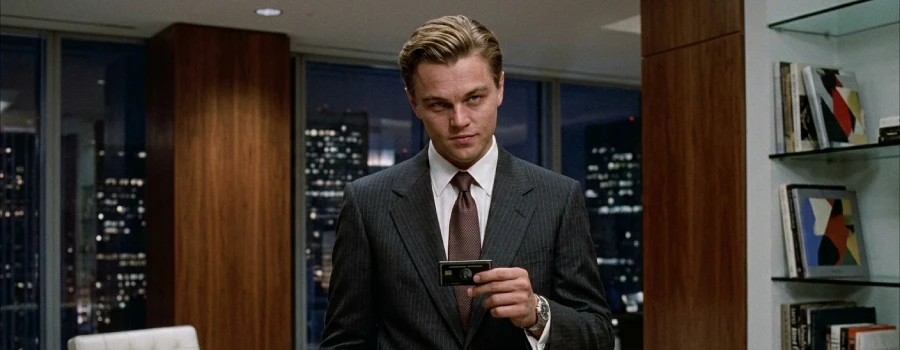
DiCaprio was attached to play Patrick Bateman in American Psycho before Christian Bale took over. DiCaprio decided to pursue The Beach instead, while Bale delivered a career-defining performance as the Wall Street psychopath. This was one of several times these two actors’ paths intersected for major roles.
Comedy and Drama Switcheroos
Molly Ringwald as Vivian Ward
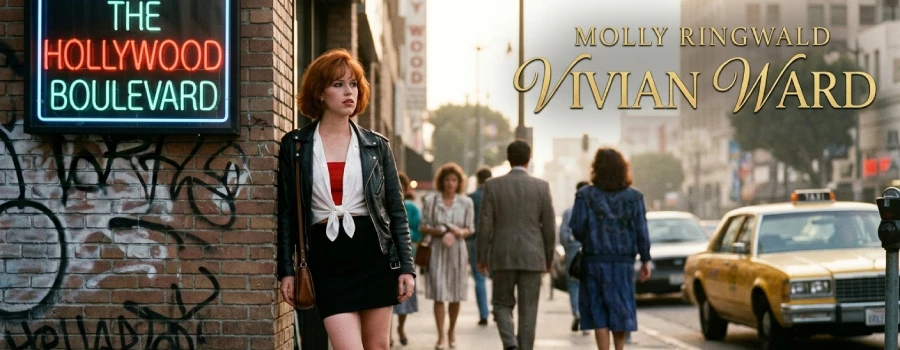
Before Julia Roberts became America’s sweetheart in Pretty Woman, Molly Ringwald was offered the role of Vivian Ward. The Breakfast Club star turned it down, uncomfortable with the film’s premise. Roberts’ performance launched her into superstardom and earned her an Oscar nomination.
Hugh Jackman as James Bond
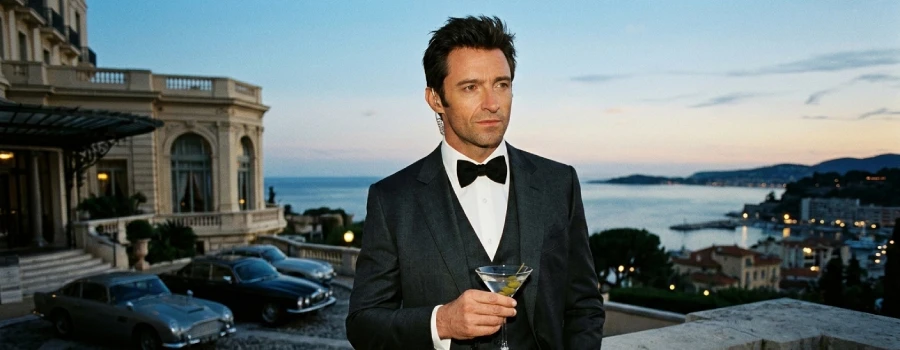
After Pierce Brosnan’s tenure, Hugh Jackman was considered for James Bond but was deemed too young at the time. He’d just landed Wolverine in X-Men, which became his signature role for nearly two decades. Daniel Craig ultimately redefined 007 for a new generation.
Gwyneth Paltrow as Rose in Titanic
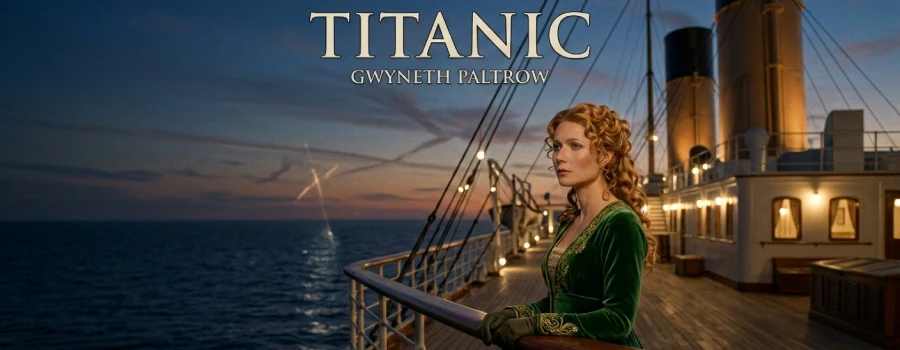
Gwyneth Paltrow turned down the role of Rose DeWitt Bukater, which went to Kate Winslet. While Paltrow won an Oscar for Shakespeare in Love the following year, Winslet’s performance in Titanic cemented her status as one of Hollywood’s finest actresses and became culturally iconic.
Animated Features That Almost Were
Bill Murray as Sulley
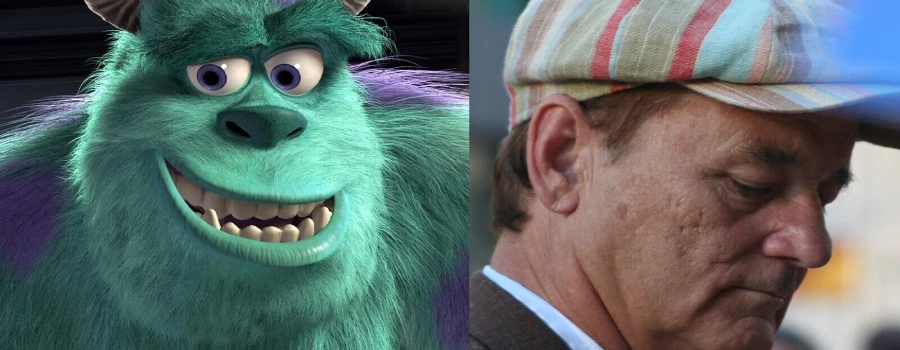
Before John Goodman became the lovable blue monster in Monsters, Inc., Bill Murray was considered for Sulley. Murray’s schedule conflicts led Pixar to Goodman, whose warm voice performance became inseparable from the character. Murray later voiced Baloo in The Jungle Book remake.
Eddie Murphy Originally for Shrek
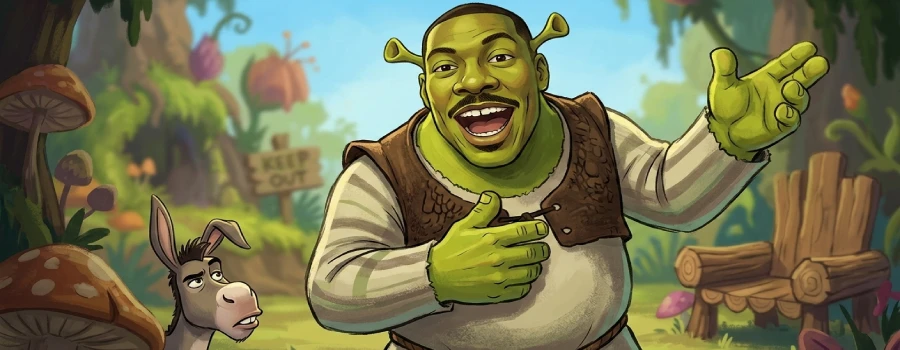
While Eddie Murphy did voice Donkey perfectly, he was actually DreamWorks’ first choice for Shrek himself before Mike Myers took the role. Myers’ Scottish accent and improvisational style created an entirely different character than what Murphy might have delivered.
Action Heroes Reimagined
Sylvester Stallone as Beverly Hills Cop
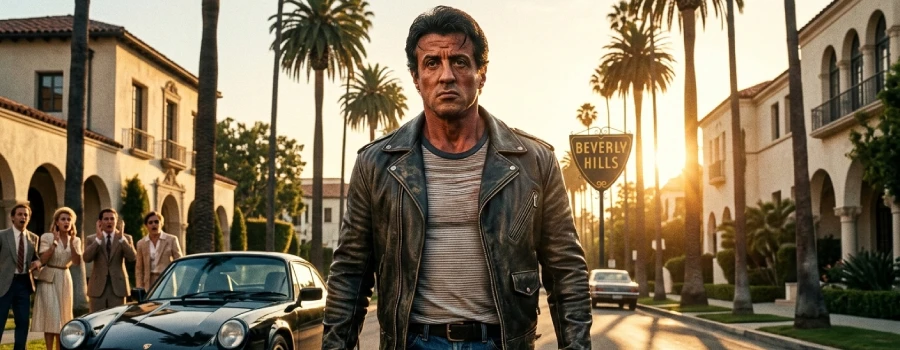
Eddie Murphy’s star-making role in Beverly Hills Cop was originally written for Sylvester Stallone. The script was rewritten when Murphy came aboard, transforming it from a straight action film to an action-comedy. Stallone made Rambo: First Blood Part II instead—both films became franchises.
Sandra Bullock as Neo
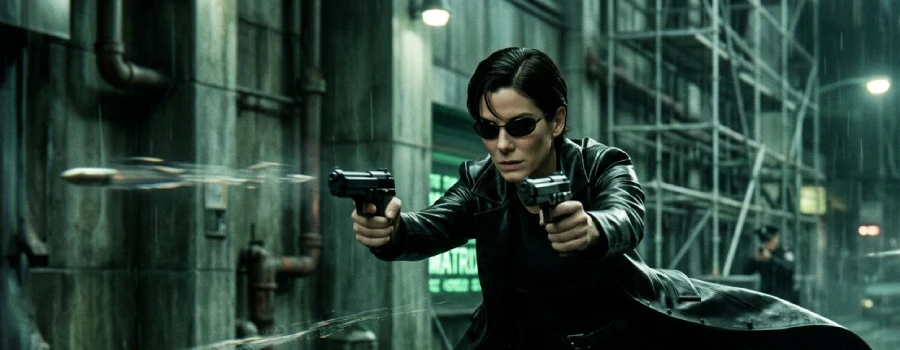
The Matrix producers considered making Neo a female character, with Sandra Bullock in mind. While intriguing, the final version with Keanu Reeves became a defining moment in sci-fi cinema. Bullock found her own action heroine niche with Speed and later Gravity.
Al Pacino as Han Solo
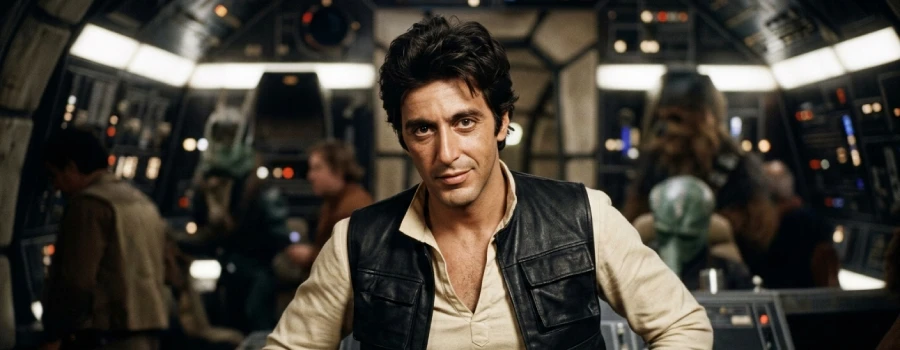
Before Harrison Ford became the smuggler with a heart of gold, Al Pacino was offered Han Solo. Pacino turned it down, feeling he didn’t understand the material. Ford’s charismatic performance helped make Star Wars a cultural phenomenon, while Pacino continued dominating dramatic roles.
Musical and Biographical Alternatives
Frank Sinatra as John McClane
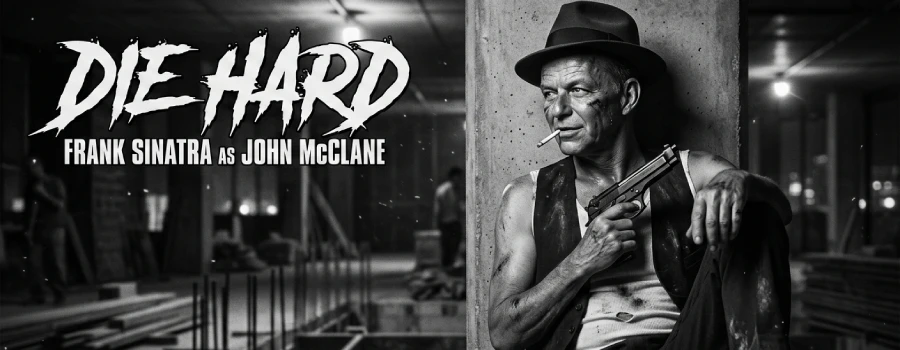
Die Hard was originally conceived as a sequel to Sinatra’s film The Detective, and the aging crooner was contractually offered the role first. At 70, Sinatra wisely declined, and Bruce Willis transformed the action genre with his everyman hero approach.
Will Smith as Django
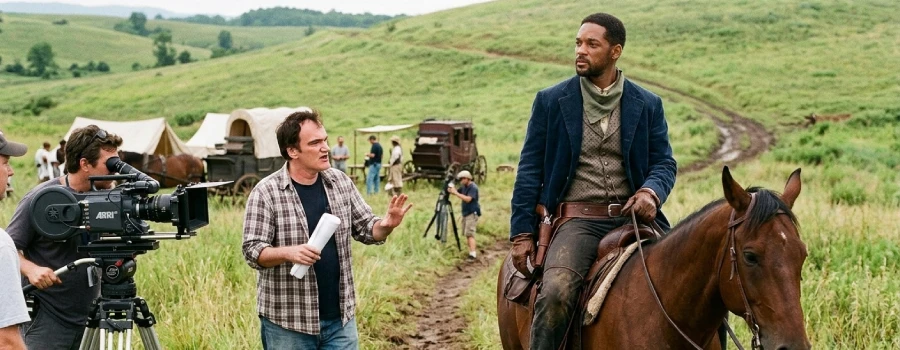
Before Jamie Foxx took the lead in Django Unchained, Quentin Tarantino pursued Will Smith. Smith reportedly had creative differences about how Django’s revenge story should unfold. Foxx earned an Oscar nomination, delivering one of his most powerful performances.
Julia Roberts as Leigh Anne Tuohy
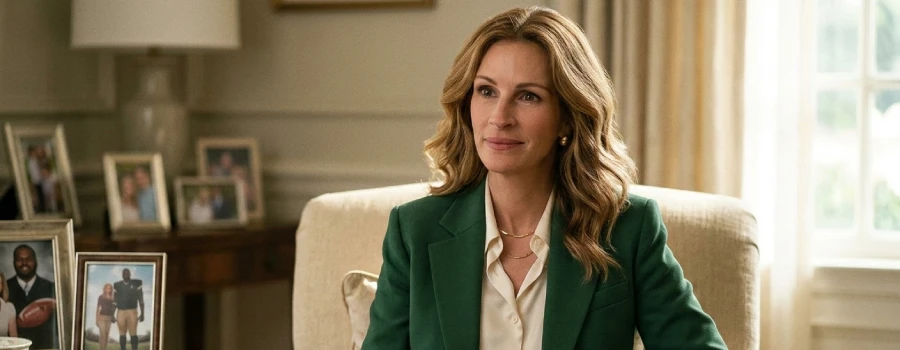
Before Sandra Bullock won her Oscar for The Blind Side, Julia Roberts was attached to the project for years. When it finally moved forward, Bullock stepped in and delivered an award-winning performance as the determined Memphis mother.
The Butterfly Effect of Casting
These stories of actors who were almost cast in iconic roles remind us how fragile the movie-making process truly is. A single “yes” or “no” can redirect entire careers, reshape film history, and alter pop culture forever. Every casting decision creates a ripple effect—when one actor passes, another seizes an opportunity that defines their legacy.
The next time you watch your favorite film, consider the parallel universe where different actors inhabited those beloved characters. Would The Matrix have the same philosophical weight with a different Neo? Would Iron Man have launched a cinematic universe without Robert Downey Jr.’s perfect blend of charm and vulnerability?
These near-misses prove that timing, instinct, and sometimes pure luck play enormous roles in creating movie magic. The actors who said no often found equally iconic roles elsewhere, while those who said yes transformed scripts into legends. Hollywood remains a place where every audition could be a sliding-door moment, and every casting decision has the power of change cinema forever.
What’s your take on these casting what-ifs? Which alternative casting would you most want to see in a parallel universe? The beauty of cinema lies not just in what we got, but in imagining what might have been.