
Where Eagles Dare is one of the most iconic World War II action-adventure films ever made. Released in 1968 and directed by Brian G. Hutton, the film blends espionage, relentless action, and clever misdirection into a cold, snow-covered Nazi fortress. It’s loud, bold, occasionally absurd—and absolutely unforgettable.
Detailed Summary
The Impossible Mission
The story begins during World War II. Allied intelligence receives shocking news: an American brigadier general has been captured by the Nazis and is being held at the nearly impregnable Schloss Adler, a mountaintop castle in Bavaria. The general allegedly knows the details of the upcoming D-Day invasion, making his rescue—or silence—crucial.
A small team is assembled:
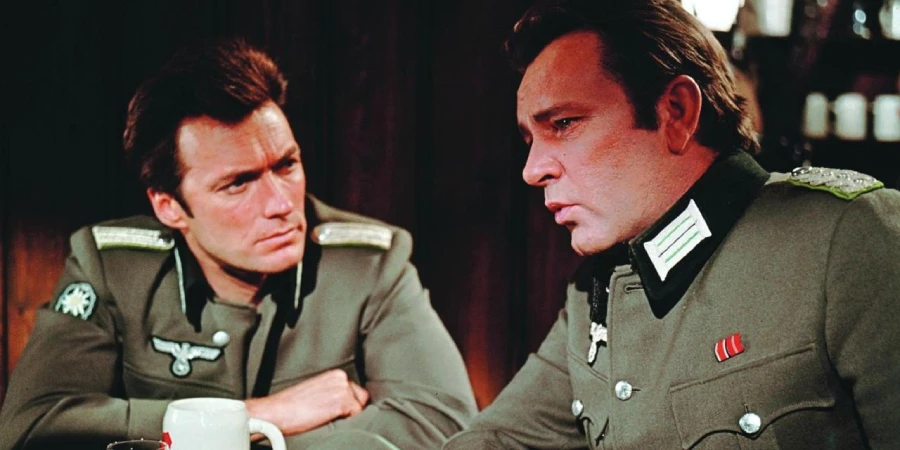
- Major John Smith (Richard Burton), a calm and highly intelligent British officer
- Lieutenant Morris Schaffer (Clint Eastwood), an American ranger with a fondness for explosives and dry sarcasm
From the start, the mission is described as nearly suicidal.
Infiltration Behind Enemy Lines
The team parachutes into Bavaria and begins its trek through snowy mountains toward the castle. Almost immediately, things go wrong: they are spotted, hunted, and betrayed. The first hint that something is “off” appears when members of the team start dying under suspicious circumstances.
The tension escalates as Smith and Schaffer realize that the enemy may not be only the Germans.
The Castle of Eagles
Schloss Adler is accessible only by cable car, making it a nightmare to attack. Smith allows himself to be captured, a move that seems like a catastrophic mistake—until it becomes clear that this was part of his plan all along.
Inside the castle, the film transforms from a war movie into a full-blown espionage thriller. Smith reveals that:
- The captured general is not the true objective
- The real mission involves exposing Nazi double agents within British Intelligence
The Web of Deception
Smith manipulates both the Nazis and his own team, staging executions and betrayals to flush out the traitors. One of the film’s strongest elements is how it repeatedly forces the audience to question who is actually in control.
Schaffer, initially left in the dark, gradually realizes Smith is playing a much deeper game than expected.
Explosions, Escapes, and Relentless Action
Once the traitors are identified, subtlety goes out the window. What follows is a barrage of:
- Machine-gun shootouts
- Explosions
- Cable car sabotage
- A legendary escape sequence involving a bus and motorcycle pursuit
This final act cements the film’s reputation as one of the most action-heavy war movies of its era.

Movie Ending
The ending reveals the true brilliance of Major Smith’s plan.
The captured American general turns out to be expendable; the real goal was to expose British officers who were secretly working for the Nazis. Smith deliberately allowed the traitors to reveal themselves inside Schloss Adler by pretending the general held critical invasion information.
Once their identities are confirmed, Smith executes them without hesitation. There is no moral debate—this is war, and betrayal is unforgivable.
Smith and Schaffer escape the castle after destroying it, killing numerous pursuing Nazis along the way. During their final flight out of Germany, Schaffer confronts Smith about being kept in the dark. Smith calmly explains that even Schaffer couldn’t be trusted with the truth, because any slip could have compromised the mission.
The film ends with:
- The mission fully successful
- The traitors eliminated
- The Allies protected from catastrophic intelligence leaks
There is no triumphant celebration—only quiet satisfaction and mutual respect between two soldiers who survived a mission designed to kill almost everyone involved.
Are There Post-Credits Scenes?
No. Where Eagles Dare does not include post-credits scenes. Once the film ends, the story is complete, definitive, and intentionally closed.
Type of Movie
Where Eagles Dare is a World War II action-espionage thriller that combines large-scale combat with intricate intelligence games. It leans more toward bold action than realism, prioritizing momentum, spectacle, and suspense.
Cast
- Richard Burton – Major John Smith
- Clint Eastwood – Lieutenant Morris Schaffer
- Mary Ure – Mary Ellison
- Patrick Wymark – Colonel Turner
- Michael Hordern – Admiral Rolland
- Donald Houston – Captain Edwards
Film Music and Composer
The score was composed by Ron Goodwin, whose music became one of the film’s most recognizable elements. The main theme, with its pounding rhythm and military swagger, perfectly matches the film’s relentless pace and has become iconic in war cinema.

Filming Locations and Their Importance
- Austria (Tyrol region) – Used for the exterior mountain and cable car sequences
- Schloss Adler exteriors – Inspired by real Bavarian castles
- Pinewood Studios, England – Interior castle scenes
The Alpine locations are crucial to the film’s identity. The harsh snow, steep cliffs, and isolation reinforce the sense that escape is almost impossible, raising the stakes in every scene.
Awards and Nominations
While it did not win major Academy Awards, the film received:
- Strong critical acclaim
- Long-term recognition as a classic of the war-action genre
- Enduring popularity in television reruns and home media
Its legacy far outweighs its awards presence.
Behind-the-Scenes Insights
- Clint Eastwood reportedly disliked working with Richard Burton at first due to Burton’s heavy drinking, though their on-screen chemistry remained strong
- Burton later admitted this was one of the most physically demanding roles of his career
- The film uses an unusually high body count, even by modern standards
- Director Brian G. Hutton encouraged exaggerated action, knowing realism was not the goal
Inspirations and References
- Based on the novel Where Eagles Dare by Alistair MacLean, who also wrote the screenplay
- Inspired by classic WWII commando myths rather than historical accuracy
- Influenced later action-films where a small elite team infiltrates an impossible location
Alternate Endings and Deleted Scenes
There are no known alternate endings. However:
- Several dialogue-heavy scenes were trimmed to keep pacing aggressive
- Character backstories were reduced to focus on action and mystery
Book Adaptation and Differences
The film is remarkably faithful to MacLean’s novel, with only minor changes:
- The movie amplifies action sequences
- The book offers more internal monologue and explanation of Smith’s strategy
- Schaffer’s character is more verbally aggressive in the film
Overall, this is one of the rare cases where the author’s direct involvement kept the adaptation strong.
Memorable Scenes and Quotes
Key Scenes
- The cable car infiltration
- Smith revealing the double agents inside the castle
- The bus escape through German troops
- Schaffer’s final machine-gun stand
Iconic Quotes
- “Broadsword calling Danny Boy.”
- “I don’t know anything about angels… but it’s fear that gives men wings.”
- “We seem to be making a habit of surviving.”
Easter Eggs and Hidden Details
- The radio code phrase became a pop-culture reference in later war films
- Several German officers share names with real WWII intelligence figures
- The castle design subtly resembles Nazi eagle symbolism
Trivia
- Over 60 German soldiers are killed by Schaffer alone
- The film contains almost no visible blood despite massive violence
- Clint Eastwood fires more bullets than any other actor in the film
- The script was written before the novel was even published
Why Watch?
Watch Where Eagles Dare if you want:
- Non-stop action without modern CGI
- A clever espionage twist hidden inside a war movie
- Two legendary actors at the height of their careers
- A film that doesn’t pretend to be realistic—but does aim to be unforgettable
Director’s Other Works
- The Pad and How to Use It (1966)
- Sol Madrid (1968)
- Kelly’s Heroes (1970)
Recommended Films for Fans
- The Dirty Dozen (1967)
- Guns of Navarone (1961)
- Force 10 from Navarone (1978)
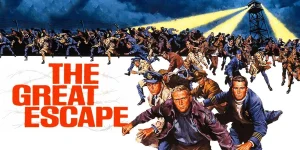
- The Great Escape (1963)
- Kelly’s Heroes (1970)