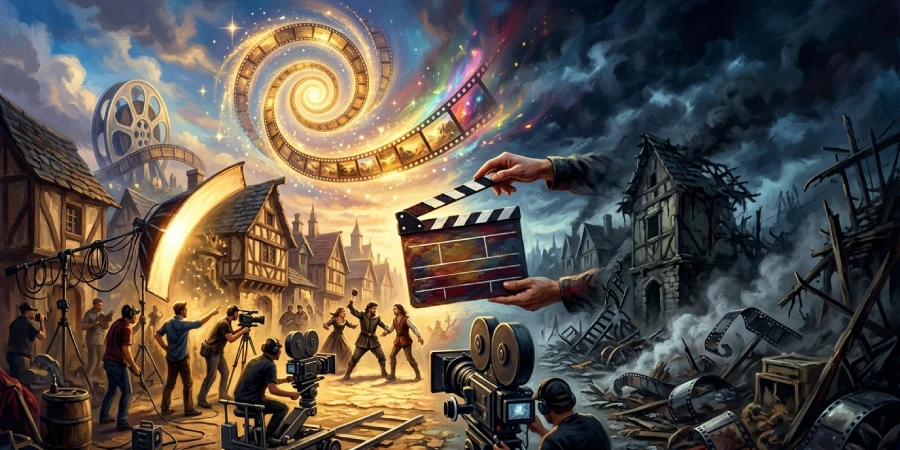

Movie reshoots get a bad reputation. When news breaks that a studio has ordered additional photography, fans often panic. Social media lights up with doomsday predictions. But here’s the truth about movie reshoots: they’re not always the disaster warning sign people think they are.
In fact, some of your favorite films only reached their full potential because of reshoots. Others were damaged beyond repair. The difference comes down to timing, intention, and execution. Understanding when reshoots save a film versus when they signal trouble can change how you view Hollywood production entirely.
Let’s pull back the curtain on one of the film industry’s most misunderstood practices.
Why Film Reshoots Are More Common Than You Think
Most major productions schedule reshoots from the beginning. This isn’t a secret emergency plan. It’s standard filmmaking practice.
Studios typically allocate 10-20% of the shooting budget for additional photography. Directors know they’ll need pickups. Editors identify gaps during the assembly process. Test audiences reveal what’s working and what isn’t.
The reality about movie reshoots is simple: they’re built into the production timeline. Big-budget films almost always involve some level of additional shooting. The cast keeps dates available. Sets remain accessible. This is filmmaking 101.
Problems only arise when reshoots extend beyond the planned window. When costs balloon. When the creative vision shifts dramatically mid-stream.

When Movie Reshoots Actually Save Films
Some films owe their success entirely to strategic additional photography. These reshoots identify and fix problems before audiences ever notice them.
The Test Screening Rescue
Test audiences provide invaluable feedback. They catch confusing plot points. They identify pacing issues. They reveal when endings fall flat.
World War Z underwent massive reshoots that completely changed the third act. The original ending was scrapped entirely. The new finale cost $20 million and seven weeks of shooting. The result? A financially successful thriller that worked far better than the original vision.
Rogue One faced similar scrutiny. Additional photography refined the tone and clarified story beats. The reshoots enhanced what was already there rather than replacing it wholesale.
The Chemistry Fix
Sometimes actors need more time to find their rhythm. Reshoots allow directors to capture better performances once everyone’s comfortable.
Back to the Future famously replaced Eric Stoltz with Michael J. Fox after filming had begun. Technically not reshoots but rather a complete do-over. The chemistry between Fox and the material transformed an okay concept into a masterpiece.
The Technical Enhancement
Visual effects teams need reference footage. Action sequences require additional angles. Reshoots for technical reasons rarely indicate creative problems.
Marvel Studios regularly conducts reshoots for VFX integration. They shoot actors against green screens after seeing preliminary effects work. This allows for seamless integration between practical and digital elements.
When Additional Photography Becomes a Warning Sign
Not all reshoots are created equal. Some signal deep creative dysfunction. Others reveal studio panic. Learning to spot the difference helps separate typical production adjustments from genuine disasters.
The Budget Explosion
When reshoots costs approach the original photography budget, something’s wrong. Justice League spent over $25 million on reshoots that fundamentally altered the film’s tone. The results were messy and inconsistent.
Excessive reshoot budgets suggest the studio doesn’t trust the original vision. They’re trying to fix fundamental problems rather than enhance what works.
The Director Departure
When original directors aren’t involved in reshoots, red flags wave everywhere. Solo: A Star Wars Story fired Phil Lord and Christopher Miller mid-production. Ron Howard reshot approximately 70% of the film.
The final product felt disjointed. You could sense the competing visions. While not a complete failure, Solo underperformed partly because of this creative chaos.
The Release Date Shuffle
Films that move release dates multiple times often have trouble written all over them. The New Mutants became infamous for endless delays and reported reshoots that never materialized.
When studios can’t commit to a release window, they’re usually still figuring out what film they’re selling.
Understanding the Truth About Movie Reshoots in Modern Filmmaking
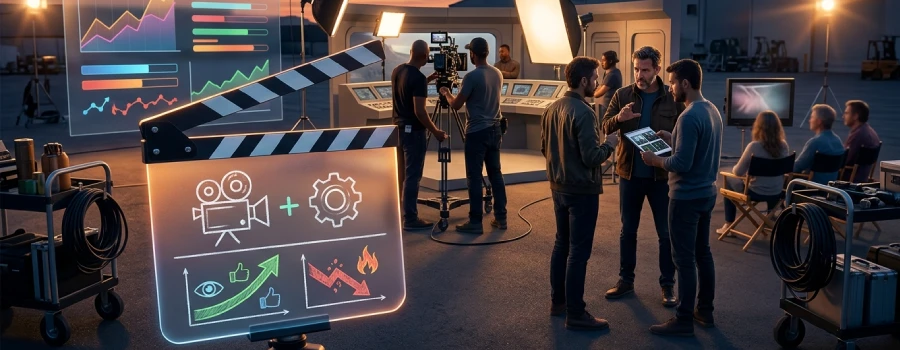
The streaming era has changed reshoots dynamics. Films destined for platforms face different pressures than theatrical releases. Budgets remain tight. Schedules compress. But the need for refinement hasn’t disappeared.
Smart filmmakers embrace reshoots as opportunities. They view test screenings as collaborative tools. They schedule buffer time for adjustments. This approach treats additional photography as creative enhancement rather than emergency intervention.
The key difference? Intention. Planned reshoots improve films. Panic reshoots try to salvage them.
How to Interpret Reshoot News as a Fan
When you hear about upcoming reshoots, consider these factors:
- Is the original director involved? Good sign if yes.
- What’s the reported budget? Minor costs suggest refinement, not overhaul.
- How much time until release? Last-minute reshoots often indicate trouble.
- Is the original release date holding? Stability suggests confidence.
- What’s the studio’s track record? Some companies excel at strategic reshoots.
Context matters enormously. A Marvel film doing two weeks of pickup shots is routine. An indie drama undergoing extensive reshoots is concerning.
What Smart Studios Know About Additional Photography
The best studios treat reshoots as insurance policies. They protect against unforeseen problems. They allow creativity to evolve. They give films room to breathe and improve.
Warner Bros. learned hard lessons from Justice League. Their approach to subsequent DC films became more measured. They gave directors time and trust. The results improved dramatically.
Meanwhile, studios that view reshoots as failures often compound their problems. They overcorrect. They chase trends. They lose sight of what made the original concept appealing.
The Final Cut on Reshoot Reality
The truth about movie reshoots isn’t black and white. They’re neither automatic disasters nor guaranteed successes. They’re tools that skilled filmmakers use to refine their vision.
Next time you hear about a film heading back into production, don’t panic immediately. Look at the context. Consider the timeline. Evaluate who’s making the decisions.
Some of cinema’s greatest achievements benefited from thoughtful additional photography. Others were damaged by panicked overcorrections. The difference comes down to creative confidence and clear vision.
Understanding this distinction makes you a smarter film viewer. It helps you separate Hollywood hype from genuine creative process. Most importantly, it reminds you that great filmmaking is messy, iterative, and rarely perfect on the first attempt.