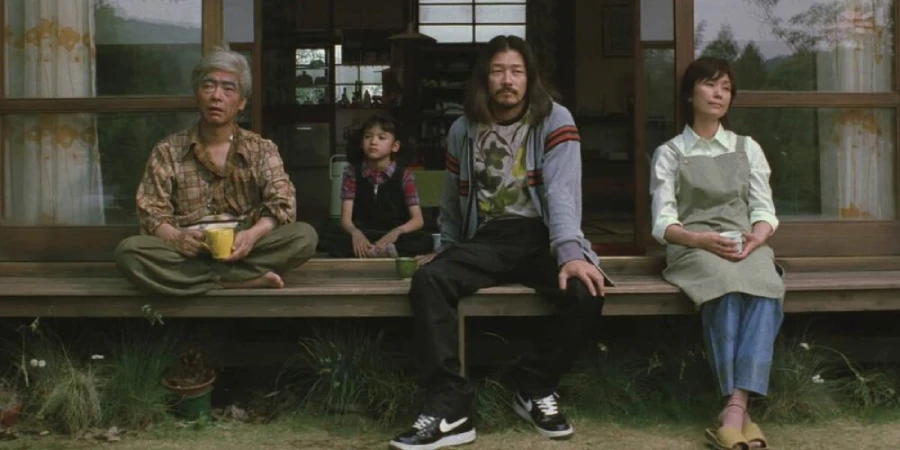

The Taste of Tea (2004), directed by Katsuhito Ishii, is one of the most quietly surreal yet emotionally grounded Japanese films of the 2000s. It blends slice-of-life storytelling with magical realism, creating a cinematic experience that is both tender and unexpectedly philosophical.
Detailed Summary
The Haruno Family: A Peculiar Yet Ordinary Beginning
The film focuses on the Haruno family living in rural Japan. Though they seem like an average household at first glance, each member carries a private world of dreams, regrets, and eccentricities. The film’s charm lies in exploring these inner worlds and how they subtly intertwine.
Sachiko and the Giant Version of Herself
One of the most memorable threads involves young Sachiko, who keeps seeing a giant, silent version of herself staring at her from the distance. It reflects her anxieties and growing pains. Her mission throughout the film is to somehow erase this looming self—an unusual yet deeply symbolic visual motif.
Yoshiko’s Return to Drawing
The mother, Yoshiko, is an animator who has taken a break to raise her children. Throughout the story, she attempts to reignite her creative energy while juggling household responsibilities. Her breakthrough moment is small but emotionally significant, grounding the film’s message that creativity thrives in quiet persistence.
Hajime’s Teenage Turmoil
Hajime, the teenage son, battles shyness and frustration, especially around a girl he likes from the Go club. His storyline adds humor and a familiar teenage awkwardness to the mix.
Uncle Ayano and His Haunting Memory
Ayano, the slightly odd uncle, carries a lingering heartbreak from the past. His arc is one of the most touching in the film, showing how unresolved emotions can unexpectedly bubble up at the most mundane moments.
The Grandfather’s Odd Rituals
The eccentric grandfather provides bursts of humor, especially with his strange performance routines and spontaneous proclamations. He embodies the film’s playful spirit.



Movie Ending
The ending of The Taste of Tea beautifully ties together the emotional currents flowing throughout the film. In the final scenes, several characters face the inner obstacles that have quietly shaped their stories.
Sachiko, after much struggle, finally confronts the giant version of herself. In one of the film’s most memorable and visually poetic moments, she breaks through her fear and watches the giant dissolve. This symbolizes her overcoming childhood anxieties and stepping forward into her own confidence.
Meanwhile, Yoshiko completes her long-delayed animation, feeling both accomplishment and relief. Her creative spark has returned.
Hajime finally gets a fleeting—but meaningful—moment with the girl he likes. It’s subtle, but the film treats this small emotional victory as something worthy of celebration.
Ayano experiences an emotional release when he unexpectedly encounters someone who reminds him of his past love, allowing him to let go of the burden he’s been carrying.
The film ends not with a dramatic conclusion but with a sense of quiet emotional harmony, reinforcing its theme: people grow not through grand events but through the gentle accumulation of small, meaningful moments. It is a deeply satisfying, reflective ending that encourages the viewer to reconsider the beauty in ordinary life.
Are There Post-Credits Scenes?
No post-credits scenes are included in The Taste of Tea. Once the credits roll, the film has fully concluded.
Type of Movie
This is a magical realist family drama infused with gentle surrealism. It blends everyday life with dreamlike imagery, creating a meditative cinematic experience.
Cast
- Maya Banno as Sachiko Haruno
- Tadanobu Asano as Hajime Haruno
- Satomi Tezuka as Yoshiko Haruno
- Tomokazu Miura as Nobuo Haruno
- Tatsuya Gashuin as Grandfather Haruno
- Anna Tsuchiya as Aoi
- Sei Hiraizumi as Uncle Ayano
Film Music and Composer
The film’s soundtrack is composed by Shigeru Kishida, who delivers a gentle, melodic score that blends perfectly with the movie’s dreamy atmosphere. The music uses soft instrumentation to emphasize introspection and emotional warmth.

Filming Locations
Filmed primarily in Tochigi Prefecture, Japan, the rural setting plays a crucial thematic role. The quiet landscapes, open fields, and tranquil townscapes highlight the film’s exploration of everyday beauty and the hidden emotional life behind ordinary routines. The setting becomes almost a character—representing peace, reflection, and the space needed for personal growth.
Awards and Nominations
- Nominated for the Golden Palm at the Cannes Film Festival (2004)
- Won several festival awards including:
- Best Film at the Fantasia Film Festival
- Best Feature Film award at the Nippon Cinema Festival
Behind the Scenes Insights
- Director Katsuhito Ishii encouraged actors to ad-lib small reactions to preserve natural family dynamics.
- Many surreal scenes were inspired by dreams Ishii recorded in his personal journals.
- The giant Sachiko effect was created using forced perspective and minimal CGI, keeping the surrealism subtle.
- Tadanobu Asano reportedly lived in a rural town for several weeks to attune himself to the film’s slow, meditative atmosphere.
Inspirations and References
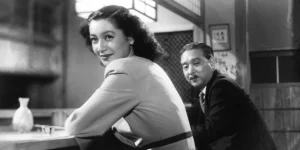
- Based loosely on the Japanese slice-of-life tradition seen in the works of directors like Yasujiro Ozu.
- Ishii cited the manga art style of the 70s and 80s as inspiration for the film’s whimsical visuals.
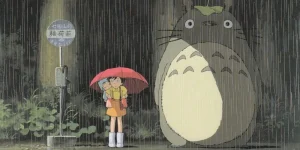
- Some surreal imagery draws influence from Hayao Miyazaki, especially in scenes involving nature and innocence.
Alternate Endings and Deleted Scenes
While no official alternate ending exists, Ishii filmed several extended conversations within the Haruno household. These were trimmed to reduce runtime but reportedly added more comedic banter and background details about the grandfather. A longer version of Sachiko chasing the giant self was also filmed but ultimately shortened for pacing.
Book Adaptations and Differences
The film is not based on a book, though it feels literary in style. However, its tone and themes echo Japanese magical realist novels such as those by Haruki Murakami, focusing on the quiet surrealism hidden within everyday life.


Memorable Scenes and Quotes
Key Scenes
- Sachiko witnessing a giant version of herself for the first time.
- The Go club moment where Hajime freezes in front of his crush.
- The grandfather’s bizarre “mountain spirit” performance.
- The emotionally charged train track scene featuring Uncle Ayano.
- The serene closing montage showing small daily moments across the Haruno household.
Iconic Quotes
- “Sometimes you find something precious in a very ordinary moment.”
- “I want to erase the big me.”
- “Life is strange, but that’s what makes it wonderful.”
Easter Eggs and Hidden Details
- Several background posters subtly reference Ishii’s earlier animated works.
- The giant Sachiko is often positioned in traditional yōkai-inspired silhouettes, blending folklore with modern storytelling.
- A brief cameo by Katsuhito Ishii appears during the train scene, hidden among passengers.
- The Go club logo includes a stylized tea leaf—hinting at the film’s theme of everyday rituals.
Trivia
- The director originally planned the film as a short but expanded it after writing more character backstories.
- The giant Sachiko idea was inspired by a childhood hallucination Ishii once experienced.
- Many of the sets were minimally dressed to allow actors to improvise movement naturally.
Why Watch?
Watch The Taste of Tea if you enjoy quiet, emotionally rich films that blend gentle surrealism with everyday life. It’s a uniquely soothing experience, offering reflections on family, creativity, childhood fears, and the subtle magic that hides within ordinary days. Its visual poetry and deeply human moments make it unforgettable.
Director’s Other Movies
- Funky Forest: The First Contact (2005)
- Party 7 (2000)
- Shark Skin Man and Peach Hip Girl (1998)
- Smuggler (2011)
Recommended Films for Fans
- After Life (1998)
- Nobody Knows (2004)
- Tampopo (1985)
- Miracle in Milan (1951)
- Survive Style 5+ (2004)