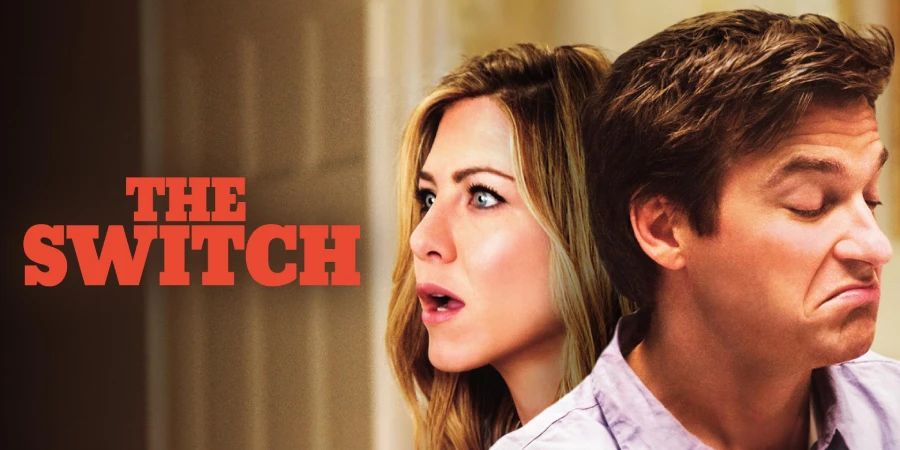

One drunken mistake in a bathroom leads to seven years of secret fatherhood. The Switch cleverly hides its central premise in plain sight. As a result, the final reveal feels both inevitable and surprisingly touching.
Detailed Summary
Kassie’s Decision
Kassie Larson, a successful woman in her early forties, decides she is done waiting for the right man. Consequently, she plans to have a child on her own through artificial insemination. Her lifelong best friend, the neurotic and pessimistic stock analyst Wally Mars, strongly objects. However, Wally is secretly in love with Kassie and hides his feelings behind a wall of sarcasm and discouragement. Ultimately, Kassie proceeds with her plan, finding a handsome and charming donor named Roland.
The Insemination Party
To celebrate her decision, Kassie throws an “insemination party” for her friends. Wally attends, feeling miserable and out of place. His cynical friend Leonard gives him a mysterious pill, which causes him to become profoundly drunk. Meanwhile, Wally has a stilted conversation with Roland, the chosen donor. Roland then goes to the bathroom to produce his sample. Wally, now heavily intoxicated, stumbles into the same bathroom a few moments later.
The Switch
Inside the bathroom, Wally sees the donation cup on the counter. In his drunken state, he becomes fascinated by it and accidentally spills its entire contents into the sink. Panicked, Wally makes a rash decision. He refills the cup with his own sample. Immediately after, he passes out and retains no memory of the event. Kassie, unaware of the switch, proceeds with the insemination and moves back to her hometown in Minnesota to raise her child.
Seven Years Later
Kassie returns to New York City with her six-year-old son, Sebastian. Wally, who has barely spoken to Kassie in years, is nervous about meeting the boy. When they finally meet, Wally is struck by Sebastian’s serious, anxious, and slightly melancholic personality. In fact, he sees a miniature version of himself. This initial meeting sparks a deep and immediate connection between Wally and the young boy, baffling them both.
Uncanny Similarities
As Wally spends more time with Sebastian, he discovers countless shared traits. For instance, they both have the same peculiar mannerisms, anxieties, and even a shared love for collecting framed stock photos. Sebastian is a somber and old-souled child, much like Wally. Furthermore, the two bond easily over their mutual hypochondria and existential worries. These parallels begin to trouble Wally, who cannot understand why he feels such a paternal bond with his best friend’s son.
The Truth Unravels
Complicating matters, Roland re-enters the picture. He starts dating Kassie, attempting to build a relationship with the boy he believes is his son. In contrast, Roland’s upbeat, athletic personality clashes with Sebastian’s quiet nature. The stress of this situation triggers flashes of memory for Wally. He eventually pieces together the night of the party, culminating in the shocking realization that he is Sebastian’s biological father. Now, he must decide whether to reveal the life-altering truth.


Movie Ending
The climax occurs when Wally finally confesses everything to Kassie. He admits that he switched the samples and is Sebastian’s biological father. Initially, Kassie reacts with fury and disbelief. She feels betrayed by his deception and tells him to stay away from her and Sebastian. Subsequently, a heartbroken Wally respects her wishes and removes himself from their lives.
However, Sebastian becomes deeply depressed without Wally. Kassie observes how much her son misses him. She also recognizes that her relationship with Roland is superficial and that he is not the right father figure for Sebastian. After a poignant conversation with her friend Debbie, Kassie re-evaluates her feelings. She understands that Wally’s feelings for her were the real reason behind his actions, however misguided they were.
Ultimately, Kassie seeks Wally out. She finds him at his old office, where he has gone to reminisce. She admits that she and Sebastian need him. Moreover, she confesses that she loves him too. The film ends with a montage showing the three of them as a happy, functioning family unit, with Wally finally embracing his role as a father.
Are There Post-Credits Scenes?
No, there are no post-credits or mid-credits scenes in The Switch. The film concludes entirely before the credits begin to roll.
Type of Movie
The Switch is a romantic comedy. While it follows many genre conventions, the film also incorporates strong dramatic elements. It explores themes of unconventional parenthood, friendship, and unrequited love. The tone shifts effectively between lighthearted humor, driven by Jason Bateman’s deadpan delivery, and sincere emotional moments, creating a surprisingly warm and thoughtful story.
Cast
- Jennifer Aniston – Kassie Larson
- Jason Bateman – Wally Mars
- Thomas Robinson – Sebastian Larson
- Patrick Wilson – Roland Nilson
- Juliette Lewis – Debbie Epstein
- Jeff Goldblum – Leonard
Film Music and Composer
Alex Wurman composed the score for The Switch. Wurman is known for his work on films like Anchorman: The Legend of Ron Burgundy and Talladega Nights. His score for this film is gentle and understated, effectively supporting the comedic and heartfelt scenes without overpowering them. In addition to the score, the film features a well-curated soundtrack of indie and classic pop songs, including “Tender” by Blur, “Lover’s Prayer” by Etta James, and Dan Hartman’s “Free Ride.”



Filming Locations
The film was shot almost entirely on location in New York City. The city is practically a character in the film, grounding the story in a realistic, modern urban landscape. Key locations include the Meatpacking District, Grand Central Terminal, and various brownstones and apartments in Manhattan. Consequently, these settings help establish the sophisticated and fast-paced world Kassie and Wally inhabit, which serves as a stark contrast to the quiet life Kassie temporarily leads in Minnesota.
Awards and Nominations
While not a major awards contender, The Switch did receive some recognition. Specifically, Thomas Robinson, who played the young Sebastian, won a Young Artist Award for Best Performance in a Feature Film. The film also received a nomination for a Teen Choice Award for Choice Summer Movie.
Behind the Scenes Insights
- Jennifer Aniston and Jason Bateman are close friends in real life. Therefore, their natural rapport contributed significantly to their believable on-screen chemistry as lifelong best friends.
- The film’s directing duo, Josh Gordon and Will Speck, had previously directed the hit comedy Blades of Glory (2007). They brought their comedic timing to a more grounded, character-driven story with this film.
- Jason Bateman has stated that he was drawn to the role of Wally because it was a more vulnerable and neurotic character than many of his previous roles. He particularly enjoyed exploring the dramatic side of the story.
Inspirations and References
The film’s primary inspiration is the short story “Baster” by Jeffrey Eugenides, which was first published in The New Yorker in 1996. The screenplay adapts the core premise of that story. In addition, the film borrows from a long tradition of romantic comedies featuring secret parentage and mistaken identity, but it updates the trope for a modern audience by incorporating themes of artificial insemination and non-traditional family structures.
Alternate Endings and Deleted Scenes
The DVD and Blu-ray release of The Switch includes several deleted scenes. Most of these scenes are brief extensions of existing moments in the film. For instance, one notable cut scene features a longer conversation between Wally and Sebastian in a toy store, further highlighting their similar personalities. There are no known alternate endings; the filmmakers were reportedly always committed to the final, optimistic conclusion.
Book Adaptations and Differences
The Switch is a direct adaptation of Jeffrey Eugenides’s short story “Baster.” However, the film makes significant changes to the tone and plot. The original story is much darker and more cynical. Its protagonist is a more bitter and less sympathetic character than Jason Bateman’s portrayal of Wally. Furthermore, the story’s ending is more ambiguous and melancholic, lacking the clear romantic resolution of the film. The movie, in contrast, opts for a more hopeful and commercially friendly romantic comedy structure.

Memorable Scenes and Quotes
Key Scenes
- The Insemination Party: Wally’s drunken, unfiltered monologue is a comedic highlight, setting the stage for his disastrous and fateful mistake in the bathroom.
- Wally Meets Sebastian: The first meeting between Wally and Sebastian in the apartment building lobby is filled with awkward, touching, and funny moments that instantly establish their bizarre connection.
- The Confession: Wally’s raw, emotional confession to Kassie is the film’s dramatic turning point, shifting the story from a comedy of errors to a powerful drama about love and family.
Iconic Quotes
- Wally: “We have a deeply dysfunctional co-dependence. I mean, they’re gonna write papers about us.”
- Sebastian: “My two favorite words are ‘gravity’ and ‘irritable’.”
- Debbie: “Having a baby is not like getting a pet! You can’t just go to the pound and get a rescue baby.”
- Wally (to Sebastian): “Look, you cannot be that kid. You know, the one who’s always sick, or who has all the allergies. You know, the one who’s just, you know… different. That kid is me. And I’m telling you, it’s not a good look.”
Easter Eggs and Hidden Details
- Framed Photos: Wally and Sebastian both share a hobby of collecting interesting-looking stock photos from picture frames. This shared, quirky habit is a key visual clue to their connection long before the truth is revealed.
- Eye Drops: Wally is frequently seen using eye drops, a sign of his general hypochondria and anxiety. Later in the film, Sebastian mimics this exact behavior, providing another subtle hint of their shared DNA.
- Wally’s Apartment: Wally’s apartment is filled with pessimistic art and memorabilia, visually representing his bleak outlook on life before Sebastian and Kassie re-enter it.
Trivia
- The film’s working title was “The Baster,” the same as the short story it is based on. The studio changed it to The Switch shortly before release, likely for marketing purposes to avoid controversy and reach a wider audience.
- This was the second time Jennifer Aniston and Jason Bateman had worked together, following their roles on the short-lived 90s sitcom Simon. They would later co-star again in the Horrible Bosses series.
- Author Jeffrey Eugenides, who wrote the original short story “Baster,” won the Pulitzer Prize for Fiction in 2003 for his novel Middlesex.
Why Watch?
For a fresh take on the rom-com, this film truly delivers. It skillfully balances genuine laughs with surprisingly heartfelt moments about unconventional families. Moreover, the fantastic chemistry between Bateman and Aniston makes it essential viewing for fans of either actor.
Director’s Other Movies
- Blades of Glory (2007)
- Office Christmas Party (2016)
- Lyle, Lyle, Crocodile (2022)