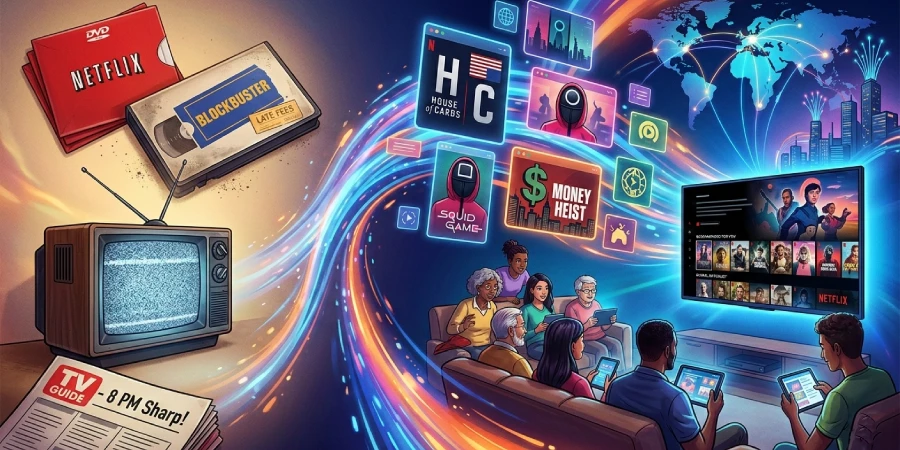

Remember rushing home to catch your favorite show at 8 PM sharp? Or late fees piling up at Blockbuster? Those days feel like ancient history now. The rise of streaming has fundamentally altered our relationship with entertainment, and Netflix sits at the center of this revolution. From mailing DVDs to becoming a global powerhouse producing award-winning originals, Netflix didn’t just adapt to change—it created it. This transformation affected everything: how studios produce content, how we discover shows, and how we structure our evenings. Let’s explore how one company changed the entire entertainment landscape.
From DVD Rentals to Digital Dominance
Netflix began in 1997 as a DVD-by-mail service, challenging Blockbuster’s brick-and-mortar monopoly. But the real game-changer came in 2007 when Netflix launched its streaming service. This pivot proved visionary—the company recognized that internet speeds were improving and consumer behavior was shifting toward on-demand content.
The streaming revolution Netflix sparked offered something radical: unlimited access to content for a flat monthly fee. No commercials, schedules or rewinding. This model appealed to viewers tired of cable TV’s constraints and expense.
By 2013, Netflix had evolved from content distributor to content creator with “House of Cards“, proving streaming platforms could produce prestige television. This move sent shockwaves through Hollywood.

How Streaming Platforms Changed Viewing Habits
Binge-Watching Becomes the Norm
Netflix popularized releasing entire seasons at once, creating the binge-watching phenomenon. Traditional weekly episode releases gave way to marathon viewing sessions. This shift changed how writers structure narratives and how audiences engage with stories.
The psychological impact is real—viewers form deeper connections with characters when immersed in their worlds for hours. This engagement benefits both viewers seeking escapism and platforms tracking watch-time metrics.
Personalization Through Algorithms
Netflix’s recommendation engine analyzes viewing patterns to suggest content tailored to individual tastes. This data-driven approach helps viewers discover hidden gems while helping Netflix understand what content to produce.
The algorithm considers:
- Watch history and completion rates
- Genre preferences and viewing times
- Ratings and search behavior
- Similar viewer patterns
This personalization creates a unique experience for each subscriber, making the platform stickier and more valuable.
The Ripple Effect Across the Industry
Traditional Networks Scramble to Adapt
The Netflix effect forced legacy media companies to launch their own streaming services. Disney+, HBO Max, Paramount+, and Peacock emerged as traditional players recognized the existential threat. Cable subscriptions plummeted as cord-cutting became mainstream.
This fragmentation created new challenges. The convenience of having everything on one platform disappeared as content spread across multiple services, each requiring separate subscriptions.
Content Creation Gets Disrupted
Streaming services transformed Hollywood’s production model. They greenlight shows based on data analytics rather than gut instinct alone. International content gained prominence—shows like “Squid Game” and “Money Heist” found global audiences impossible in the pre-streaming era.
Budget allocations shifted too. Streaming platforms invest heavily in original content to differentiate themselves, leading to unprecedented production spending. This “streaming wars” arms race benefits creators with more opportunities but challenges smaller independent productions.
The Global Entertainment Revolution
Netflix’s international expansion democratized content distribution. A Nigerian film can reach viewers in Buenos Aires. A Korean drama finds fans in Toronto. This global streaming marketplace celebrates diverse storytelling and connects cultures.
Streaming platforms grant filmmakers and showrunners remarkable creative freedom. Runtime grows flexible in the absence of commercial breaks. Storytelling can turn much bolder without network censors holding it back. Niche audiences suddenly become viable once geographic limitations disappear.
Challenges in the Streaming Landscape
Subscription Fatigue Sets In
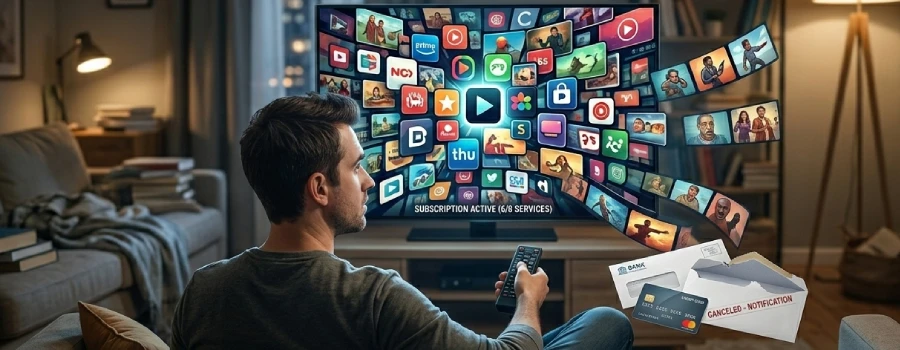
As more platforms emerge, viewers face difficult choices. Subscribing to every service becomes expensive—sometimes exceeding cable costs. Many viewers now rotate subscriptions, signing up for a month, binge-watching desired content, then canceling.
This behavior pressures streaming services to continuously produce must-watch content to retain subscribers.
The Sustainability Question
Streaming platforms invest billions in content while keeping subscription prices relatively low. This model works during growth phases, but profitability remains elusive for many services. Netflix’s recent moves toward ad-supported tiers and password-sharing crackdowns reflect these financial pressures.
The industry questions whether the current streaming model is sustainable long-term or if further consolidation and price increases are inevitable.
What This Means for You as a Viewer
The streaming revolution puts unprecedented power in your hands. You now decide exactly what to watch, whenever it suits you, and in whatever way you prefer—bingeing, pausing, or skipping at will. International shows and films that once felt out of reach are suddenly just a click away. Best of all, you can often skip commercials entirely and break free from fixed broadcast schedules.
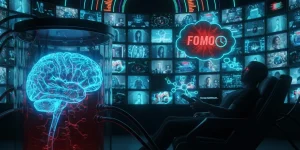
However, this abundance creates choice paralysis. Endless scrolling replaces actual watching. FOMO intensifies as friends discuss shows across multiple platforms you don’t subscribe to.
Consider these strategies:
- Audit subscriptions quarterly—keep only what you actively use
- Embrace rotating services based on current offerings
- Explore free ad-supported streaming options for casual viewing
- Use aggregator apps to search across platforms


The Future of Entertainment Consumption
Where does streaming go from here? Virtual reality integration, interactive content, and AI-generated recommendations will become more sophisticated. Theaters and streaming will likely find equilibrium rather than streaming completely replacing cinema.
The rise of streaming fundamentally changed our entertainment ecosystem. Netflix proved that consumers would pay for convenience, control, and quality content. While challenges remain and the landscape continues evolving, one thing is certain: we’ll never return to the old model of scheduled programming and limited choices.
Final Thoughts: Your Entertainment, Your Rules
The streaming era that Netflix pioneered represents more than technological advancement—it’s a fundamental shift in how we value and consume stories. You now curate your entertainment experience rather than accepting whatever networks schedule. This power brings both freedom and responsibility to find content that enriches rather than just fills time.
As streaming platforms compete for your attention and subscription dollars, you remain the ultimate winner. More content, more diversity, more control—that’s the legacy of the streaming revolution.
Ready to optimize your streaming experience? Start by evaluating which services truly serve your viewing habits and cut the rest. Your perfect entertainment lineup awaits.