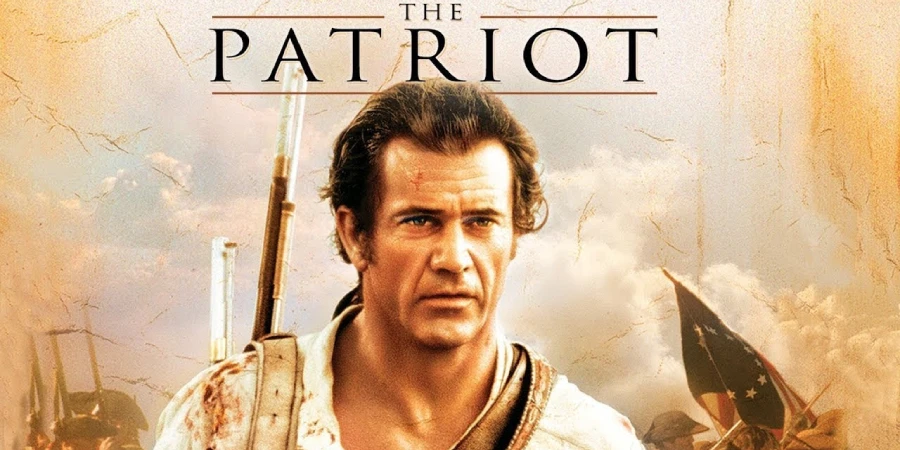

The Patriot (2000) is a large-scale historical war drama set during the American Revolutionary War, directed by Roland Emmerich and starring Mel Gibson. While often remembered for its intense battle scenes, the film is equally focused on family, revenge, moral conflict, and the cost of freedom.
Detailed Summary
Life Before the War
Benjamin Martin is a widowed farmer living peacefully in South Carolina with his seven children. A former soldier, he has deliberately chosen a quiet life after witnessing the brutality of previous wars. When tensions between Britain and the American colonies escalate, Benjamin makes it clear that he wants no part in another conflict. He values family over ideology and believes war always demands an unbearable price.
The War Comes Home
Despite Benjamin’s stance, his eldest son Gabriel is deeply committed to the revolutionary cause and secretly enlists in the Continental Army. British troops later arrive in the area under the command of Colonel William Tavington, a ruthless officer who represents the film’s embodiment of tyranny.
A violent confrontation at Benjamin’s home results in the death of one of his younger sons and Gabriel’s capture. This moment is the emotional turning point of the film. Benjamin abandons neutrality, rescues Gabriel, and begins a personal war driven by grief and vengeance.
Guerrilla Warfare and Moral Struggle
Benjamin and Gabriel join the colonial militia and employ unconventional guerrilla tactics against the British. Ambushes, hit-and-run attacks, and psychological warfare become their tools. Benjamin proves to be a brilliant tactician, but each victory further erodes his humanity.
As the war drags on, Benjamin struggles with the contradiction between fighting for freedom and becoming increasingly violent. Gabriel, meanwhile, matures rapidly as a soldier and begins to understand the true cost of the ideals he once romanticized.
Escalation and Loss
The conflict grows more brutal on both sides. Colonel Tavington commits several atrocities, including acts against civilians, reinforcing the film’s clear moral divide. Gabriel marries and briefly experiences happiness, only for the war to once again tear it away.
The personal rivalry between Benjamin and Tavington intensifies, turning the larger historical conflict into a deeply personal vendetta.
Movie Ending
The final act of The Patriot fully embraces tragedy, sacrifice, and resolution.
Gabriel is killed by Colonel Tavington during a British attack, devastating Benjamin and stripping away the last illusion that the war could end without unbearable loss. His death represents the ultimate cost of revolution and shatters Benjamin emotionally.
Despite his grief, Benjamin returns to battle for the decisive confrontation. In the climactic fight, colonial forces face the British in open warfare rather than guerrilla tactics. Benjamin leads the militia under a makeshift American flag, symbolizing his full acceptance of the revolutionary cause.
Benjamin personally confronts and kills Tavington in a brutal, emotionally charged duel. This moment is not portrayed as triumphant but as necessary closure for Benjamin’s journey.
After the war, the British retreat, signaling an American victory. The film closes with Benjamin returning home to rebuild his life, now committed to helping form a new nation. He begins constructing a new house with his surviving children and fellow settlers, representing rebirth after devastation and the hope of a future built on sacrifice.
Are There Post-Credits Scenes?
No. The Patriot does not include any post-credits or mid-credits scenes. The story concludes definitively with its final moments.
Type of Movie
The Patriot is a historical war drama that blends large-scale battlefield action with intimate family tragedy. It focuses equally on military conflict and the emotional toll of war on ordinary people.
Cast
- Mel Gibson as Benjamin Martin
- Heath Ledger as Gabriel Martin
- Jason Isaacs as Colonel William Tavington
- Joely Richardson as Charlotte Selton
- Chris Cooper as Colonel Harry Burwell
- Tchéky Karyo as Jean Villeneuve
- Tom Wilkinson as General Cornwallis
Film Music and Composer
The score was composed by John Williams, whose music adds emotional weight and historical gravitas. The themes emphasize loss, heroism, and moral conflict rather than simple triumph, reinforcing the film’s somber tone.

Filming Locations
- South Carolina, USA – Primary inspiration for the setting and landscapes.
- North Carolina and Virginia – Used for battlefields and rural environments.
- Historic plantations and countryside – Provided authenticity for colonial-era life.
These locations were essential in grounding the story visually, giving the film a raw, lived-in historical atmosphere rather than a polished studio look.
Awards and Nominations
- Academy Award nomination for Best Original Score (John Williams)
- Nominated for multiple technical awards related to cinematography and sound
- While not a major awards contender, it became a commercial success and remains culturally recognizable
Behind the Scenes Insights
- Mel Gibson trained extensively in historical combat techniques.
- Jason Isaacs intentionally portrayed Tavington with minimal sympathy, creating a memorable antagonist.
- Roland Emmerich wanted the battles to feel chaotic and confusing rather than heroic.
- Heath Ledger’s performance was praised for showing youthful idealism gradually replaced by realism.
- The film sparked historical controversy for exaggerating British atrocities.
Inspirations and References
- Inspired by real figures such as Francis Marion, known as “The Swamp Fox”
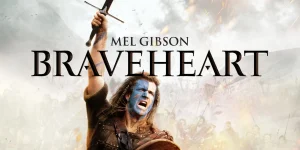
- Influenced by classic war epics like Braveheart and The Alamo
- Draws heavily from Revolutionary War folklore rather than strict historical accuracy
Alternate Endings and Deleted Scenes
- Several deleted scenes expanded Gabriel’s family life to deepen the emotional impact of his death.
- An extended ending showed more detail about post-war reconstruction but was cut to maintain pacing.
- No officially released alternate ending changes the film’s conclusion.
Book Adaptations and Differences
The Patriot is not based on a single book. It is a fictional narrative inspired by historical events.
Major differences from real history include:
- Exaggerated brutality of British officers
- Simplified moral divisions
- Compression of multiple historical figures into single characters
Memorable Scenes and Quotes
Key Scenes
- Benjamin’s transformation during the ambush rescue
- The burning church scene
- Gabriel’s death on the battlefield
- The final charge under the American flag
Iconic Quotes
- “Why should I trade one tyrant three thousand miles away for three thousand tyrants one mile away?”
- “Before this war is over, I am going to kill you.”
- “Aim small, miss small.”
Easter Eggs and Hidden Details
- Benjamin’s tactics closely mirror real guerrilla strategies used in the Carolinas
- The militia flag is historically inaccurate but symbolically powerful
- Tavington’s uniform subtly darkens as the film progresses, reflecting moral decay
Trivia
- One of Heath Ledger’s earliest major Hollywood roles
- Over 1,500 extras were used in battle scenes
- The film was controversial in the UK upon release
- John Williams considered this one of his most emotionally restrained scores
Why Watch?
- Emotion-driven war stories
- Complex protagonists torn between violence and morality
- Large-scale battles grounded in personal loss
- Historical epics that prioritize emotional impact over accuracy
Director’s Other Works
- Independence Day (1996)
- Godzilla (1998)
- The Day After Tomorrow (2004)
- 2012 (2009)
- Midway (2019)