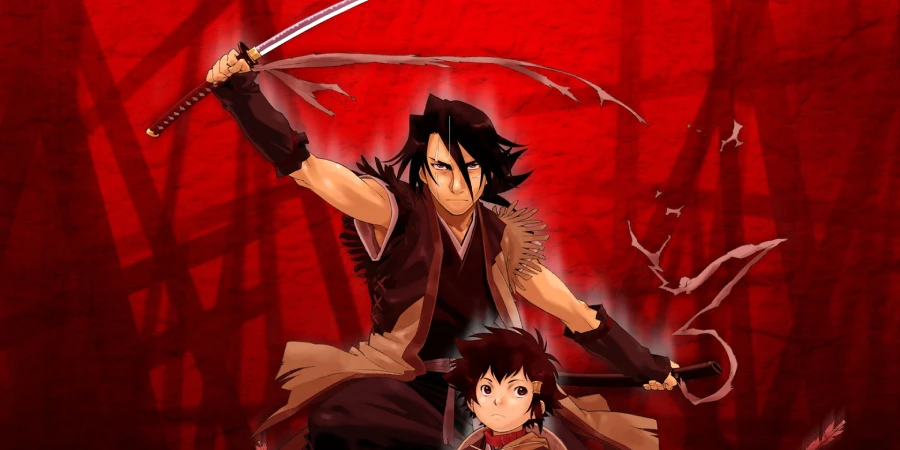

Sword of the Stranger (2007), directed by Masahiro Ando, is one of the most acclaimed samurai anime films ever made. Featuring breathtaking hand-to-hand sword combat and a surprisingly emotional story, the movie combines historical fiction with visceral action and remarkable animation artistry.
Detailed Summary
Kotaro’s Flight and the Silent Stranger
The film opens with Kotaro, a young boy on the run with his dog, Tobimaru, from the Ming Dynasty’s elite warriors. They are being hunted for mysterious reasons connected to a prophecy. Kotaro soon encounters a quiet, nameless ronin who later becomes known as Nanashi (The Stranger). Despite his cold attitude, Nanashi reluctantly decides to protect the boy, forming the core bond of the story.
The Ming Dynasty’s Sinister Goal
The Ming warriors need Kotaro for a horrific ritual. According to their beliefs, sacrificing a child of pure blood during a celestial event will create an elixir of immortality. Their strongest fighter, Luo-Lang, a foreign swordsman obsessed with finding a worthy opponent, eagerly patrols alongside them, motivated not by loyalty, but by his hunger for battle.
Nanashi’s Hidden Past
As the journey progresses, we learn Nanashi is haunted by memories of serving as a samurai and killing in war. He made a vow never to draw his blade again, believing himself unworthy of honor. Kotaro’s trust slowly breaks through Nanashi’s emotional walls, setting up his inevitable return to violence to save the boy.
Movie Ending
In the climax, Nanashi infiltrates the fortress where Kotaro is to be sacrificed. As the ritual begins, Nanashi breaks his oath and draws his sword to save him. The battle is brutal and chaotic, with mercenaries, guards, and Ming officials falling rapidly.
The film builds toward a confrontation fans anticipate throughout the story: Nanashi vs. Luo-Lang. Luo-Lang is ecstatic to finally meet a blade equal to his own, thrilled by the chance of a worthy duel. What follows is one of anime’s most iconic sword fights—fast, precise, and terrifyingly realistic.
Nanashi kills Luo-Lang after a grueling fight, though both men are gravely injured. The ritual is stopped, Kotaro is freed, and the two walk away from the burning fortress. The final shot shows them leaving to an uncertain future, with Nanashi continuing life as a wanderer. The movie ends ambiguously, but the tone suggests a quiet and hopeful continuation of their bond rather than tragedy.
Are There Post-Credits Scenes?
There are no post-credits scenes in Sword of the Stranger. The story concludes immediately after the ending sequence, without additional epilogues.
Type of Movie
Sword of the Stranger blends historical fiction with intense samurai action. The tone is grounded, focusing on morally complex characters and cinematic sword combat rather than fantasy elements.
Cast (Japanese Voice Actors)
- Nanashi (Stranger): Tomoya Nagase
- Kotaro: Yuri Chinen
- Luo-Lang: Kazuya Nakai
- Tobimaru (dog): Nozomi Furuki
Film Music and Composer
The soundtrack is composed by Naoki Sato, known for immersive orchestral themes. His score elevates the emotional weight of the story, blending somber Japanese tones with dynamic action cues. The battle themes, in particular, emphasize honor, fear, resolve, and inevitable violence.
Filming Locations
Although animated, the film draws heavily from Sengoku-era Japan, depicting:
- Remote forests
- Run-down temples
- War-torn villages
- Isolated mountain fortresses
The setting underscores themes of a nation divided and individuals caught in the crossfire of corrupted governments. These locations emphasize isolation and violence, mirroring Nanashi’s internal battlefield.
Awards and Nominations
Sword of the Stranger received international praise, including:
- Nomination for Best Animated Feature at the Asia Pacific Screen Awards
- Won Best Animation awards at various European and Asian festivals
- Gained cult recognition for its animation, especially its fight sequences, which became reference material in the animation industry
Behind the Scenes Insights
- The final battle is known to be animated without CGI, entirely hand-drawn, frame by frame.
- Some animators studied actual sword fighting footage to capture speed and body mechanics accurately.
- Director Masahiro Ando pushed for realistic sword physics, avoiding flashy impossible moves seen in other anime.
- Luo-Lang’s fighting style was inspired by non-Japanese European fencing, setting him visually apart from other characters.
Inspirations and References
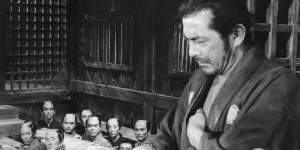
- Influenced by samurai cinema such as Kurosawa’s films.
- Contains themes similar to Lone Wolf and Cub (1970).
- Nanashi resembles a wandering ronin archetype, but the film avoids fantasy tropes, grounding him as a PTSD-ridden soldier.
Alternate Endings and Deleted Scenes
- An alternate storyboard hinted that Nanashi might die after the final duel, but it was removed to keep the ending more open and emotionally resonant.
- Extended dialogue between Ming officials explaining the immortality ritual was cut for pacing.
Book Adaptations and Differences
There is no original book. However, manga adaptations were released after the film. They follow the same story but add minor scenes expanding Nanashi’s past.
Memorable Scenes and Quotes
Key Scenes
- Nanashi refusing payment at the temple, yet still protecting Kotaro.
- Luo-Lang slaughtering soldiers simply to seek a challenge.
- Tobimaru risking his life to protect Kotaro, reinforcing loyalty.
- The final battle in the burning fortress.
Iconic Quotes
- Luo-Lang: “A fight is only worth something when lives are on the line.”
- Nanashi: “I won’t draw my sword. Not again.”
- Kotaro: “You’re not a bad man. I know it.”
Easter Eggs and Hidden Details
- Nanashi’s black hair dye fades during the final battle, revealing his past identity as a samurai.
- Luo-Lang’s red cape symbolizes foreign mercenary culture, contrasting Japanese tradition.
- Tobimaru’s loyalty mirrors Nanashi’s gradual emotional awakening.
Trivia
- The final duel is often used in animation schools as a masterclass example of choreography and timing.
- The film’s crew was small, making the animation quality even more impressive.
- Critics regard it as one of the best standalone original anime films ever made.
Why Watch?
Because Sword of the Stranger offers flawless animation, a meaningful story, and one of the greatest sword fights ever animated. It’s grounded, emotionally sharp, and stunningly crafted.
Director’s Other Works
- Hanasaku Iroha: Home Sweet Home (2013)
- Snow White with the Red Hair (TV Series, 2015–2016)
- Blast of Tempest (TV Series, 2012–2013)
(He is more known for anime series direction than films.)
Recommended Films for Fans
If you loved Sword of the Stranger, you may also enjoy:
- Rurouni Kenshin (2012)
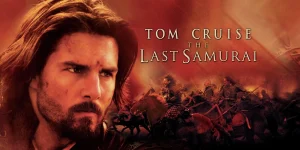
- The Last Samurai (2003)
- Ninja Scroll (1993)
- Samurai X: Trust & Betrayal (1999)