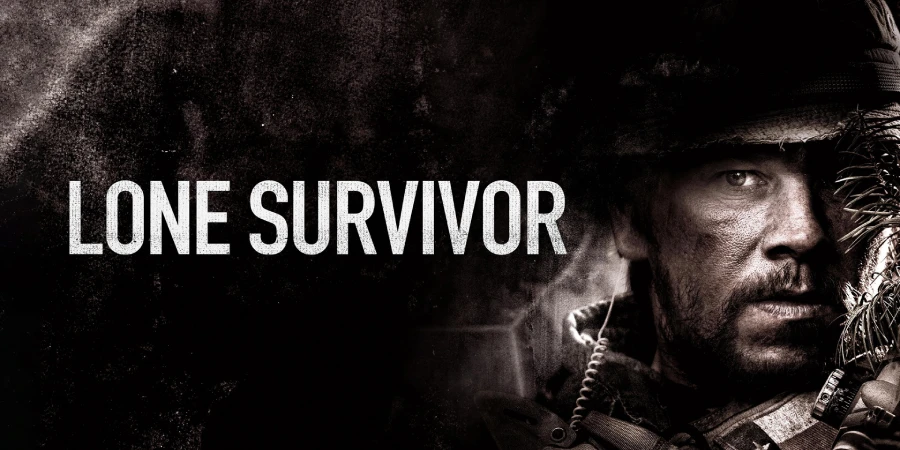

Lone Survivor is a brutal, grounded, and emotionally heavy modern war film directed by Peter Berg, based on real events from the War in Afghanistan. It focuses on brotherhood, sacrifice, and the chaos of combat rather than glorifying war. This is not an easy watch—and it’s not meant to be.
Detailed Summary
Operation Red Wings: The Mission Begins
The story follows four U.S. Navy SEALs assigned to a covert reconnaissance mission in the mountains of Afghanistan in 2005. Their objective is to locate and identify a high-ranking Taliban leader. The team consists of Marcus Luttrell, Michael Murphy, Danny Dietz, and Matt Axelson.
From the start, the film emphasizes realism: limited support, harsh terrain, and the constant threat of discovery. The SEALs are inserted into hostile territory with strict rules of engagement.
The Ethical Dilemma
The mission goes wrong when the team encounters local Afghan goat herders, including a child. The SEALs face an impossible moral and tactical choice:
- Kill the civilians and compromise their ethics and laws of war
- Release them and risk exposure
They choose to let them go. This decision becomes the turning point of the entire film and one of its most debated moments. The tension here is not about action, but about conscience.
Ambush in the Mountains
Shortly after releasing the herders, the SEAL team is discovered by Taliban fighters. What follows is an extended, relentless firefight across steep cliffs and forests. The film portrays combat as chaotic, disorienting, and devastating.
The soldiers are:
- Outnumbered
- Outgunned
- Cut off from communication
The battle scenes are intentionally exhausting to watch, mirroring the physical and mental toll on the characters.
Loss and Separation
One by one, the team members are gravely wounded or killed. Attempts to call for air support fail, resulting in the downing of a rescue helicopter and the deaths of additional U.S. soldiers. This escalation reinforces the scale of the tragedy.
Marcus Luttrell becomes separated from the rest of his team, severely injured and alone in enemy territory.
Movie Ending
The final act focuses on Marcus Luttrell’s survival. After escaping the firefight, he collapses in a remote Afghan village. He is discovered by Mohammad Gulab, a local Pashtun villager.
Despite the extreme danger, Gulab chooses to protect Marcus, honoring the Pashtunwali code of hospitality and protection. He shelters Marcus and sends a message to U.S. forces, fully aware that the Taliban will retaliate.
The Taliban attack the village, but the villagers defend Marcus until U.S. forces arrive. Marcus is rescued and evacuated.
The film ends with:
- Real photographs of the fallen SEALs
- A tribute to their families
- Confirmation that Marcus Luttrell was the only survivor of the four-man team
There is no triumphant tone. The ending is somber, respectful, and deeply personal, emphasizing loss over victory. The final moments leave the audience reflecting on the cost of war rather than its outcomes.
Are There Post-Credits Scenes?
No. Lone Survivor does not include any post-credits or mid-credits scenes. The film ends definitively with its tribute.
Type of Movie
Lone Survivor is a war drama and action film rooted in realism. It prioritizes emotional authenticity and physical brutality over spectacle, presenting combat as tragic and unforgiving.
Cast
- Mark Wahlberg – Marcus Luttrell
- Taylor Kitsch – Michael Murphy
- Emile Hirsch – Danny Dietz
- Ben Foster – Matt Axelson
- Eric Bana – Erik Kristensen
- Youssef Azami – Mohammad Gulab
Film Music and Composer
The score was composed by Steve Jablonsky, known for emotionally restrained but powerful compositions. The music supports the film quietly, often stepping back to let silence, gunfire, and breathing dominate key moments. This choice reinforces realism rather than dramatization.

Filming Locations
The movie was primarily shot in:
- New Mexico, USA
- British Columbia, Canada
These locations were chosen for their rugged terrain, steep cliffs, and dense forests, closely resembling the Afghan mountains. The physical difficulty of these environments contributed to the actors performing many scenes under genuinely exhausting conditions, enhancing authenticity.
Awards and Nominations
- Academy Award nomination for Best Sound Editing (2014)
- Nominated at several technical and guild awards for sound and action coordination
While not a major awards contender, the film received recognition for its technical realism.
Behind the Scenes Insights
- Actors underwent Navy SEAL-style training before filming.
- Real SEALs served as technical advisors on set.
- Many stunts were performed without CGI to preserve realism.
- Mark Wahlberg has stated this was one of the most physically demanding roles of his career.
- Director Peter Berg is known for prioritizing authenticity over comfort during shoots.
Inspirations and References
- Based on the book “Lone Survivor” by Marcus Luttrell (2007)
- Inspired by real events during Operation Red Wings in Afghanistan
- Influenced by documentary-style war films rather than classic Hollywood war epics
Alternate Endings and Deleted Scenes
There are no known alternate endings.
Some deleted scenes reportedly expanded character backstories and training sequences but were removed to maintain pacing and intensity.
Book Adaptations and Differences
While the film closely follows the book:
- The book provides more political context
- Certain tactical details are simplified in the film
- Some timelines are compressed for cinematic flow
The core survival story and themes remain faithful.
Memorable Scenes and Quotes
Key Scenes
- The ethical debate over the goat herders
- The first Taliban ambush on the mountain
- Marcus being protected by Afghan villagers
- The final tribute with real photographs
Iconic Quotes
- “I’m ready to die for my country.”
- “Thank you for your courage.”
Short, restrained dialogue reflects the film’s grounded tone.
Easter Eggs and Hidden Details
- Real names of fallen soldiers are used instead of fictionalized ones.
- Military radio chatter uses authentic terminology.
- The Pashtunwali code is accurately portrayed, rarely seen in mainstream cinema.
Trivia
- Marcus Luttrell appears briefly in archival footage at the end.
- The film avoids stylized slow motion during deaths to maintain realism.
- Many injuries were recreated based on real medical reports.
- The helicopter crash was recreated using practical effects rather than full CGI.
Why Watch?
Watch Lone Survivor if you want:
- A raw, unfiltered portrayal of modern warfare
- A story about brotherhood, moral choice, and survival
- A war film that respects its real-life subjects without glorification
This is not entertainment-first cinema—it’s experience-first cinema.
Director’s Other Works (Movies)
- Friday Night Lights (2004)
- The Kingdom (2007)
- Battleship (2012)
- Deepwater Horizon (2016)
- Patriots Day (2016)