

Every year, studios receive thousands of scripts. However, only a tiny fraction ever makes it to the big screen. The film greenlighting process remains one of Hollywood’s most mysterious gatekeeping mechanisms. Understanding how executives decide which projects get funded can demystify the entire entertainment industry. Moreover, this knowledge reveals why certain films get made while others languish in development hell forever.
What the Film Greenlighting Process Really Means
Greenlighting refers to the official approval studios give projects to move into production. In contrast to common belief, it’s not a single decision made in one dramatic boardroom meeting. Instead, the process involves multiple checkpoints and financial gatekeepers. Studio executives must balance creative vision against commercial viability at every stage.
The journey begins long before anyone says yes. Scripts circulate through readers, junior executives, and development teams. Consequently, most projects die quietly without ever reaching senior decision-makers. Only the strongest concepts survive this initial culling.



The Financial Gatekeepers Behind Movie Approval
Studio heads don’t work alone when approving movies. Instead, they answer to corporate boards and parent companies. For instance, Warner Bros. reports to Discovery executives. Disney’s film division must justify decisions to the larger conglomerate.
Financial stakes have grown enormous. Blockbusters now routinely cost $200 million or more. As a result, risk assessment has become paramount. Studios employ analysts who project opening weekends, international appeal, and franchise potential before committing funds.
The Budget Tiers That Determine Authority
Different budget levels require different approval chains. Small films under $10 million might get greenlighted by division presidents. Meanwhile, tentpole productions require CEO sign-off and board approval. This tiered system allows studios to take calculated risks on diverse projects.
Key Players in the Studio Greenlighting Decision

Multiple executives shape whether a project moves forward. Development executives shepherd scripts through rewrites and attachments. Production presidents evaluate logistical feasibility. Marketing chiefs assess commercial potential. Therefore, unanimous enthusiasm rarely exists for any single project.
Talent attachments dramatically influence the greenlighting process. A-list actors can tip marginal projects into production. Similarly, proven directors carry enormous weight. Studios feel safer investing when recognizable names sign on.
The Power of Producers and Packaging
Producers function as project champions throughout development. They assemble creative elements that make films attractive to studios. This includes securing star commitments, attaching directors, and refining scripts. Notably, well-connected producers can fast-track projects through studio bureaucracy.
Packaging deals from agencies like CAA or WME bundle talent together. Studios appreciate one-stop shopping. However, this practice sometimes prioritizes agency relationships over optimal creative choices.
How Studios Evaluate Commercial Potential
Number-crunching dominates modern film approval decisions. Studios analyze comparable titles to project performance. They examine similar genres, budgets, and release patterns. Furthermore, international markets now drive most greenlighting discussions.
Test screenings of scripts have become standard practice. Studios gauge audience reactions to written material before shooting begins. In addition, focus groups help identify potential problems early. These tools reduce financial risk substantially.
The International Factor in Movie Greenlighting
Foreign box office receipts often exceed domestic returns. Consequently, studios prioritize projects with universal appeal. Action films travel better than dialogue-heavy dramas. Recognizable IP crosses cultural boundaries more easily than original concepts.
Chinese market considerations influence countless greenlighting decisions. Studios craft projects specifically for this lucrative audience. However, cultural sensitivities and government approval add complexity to the equation.
The Reality of Development Hell
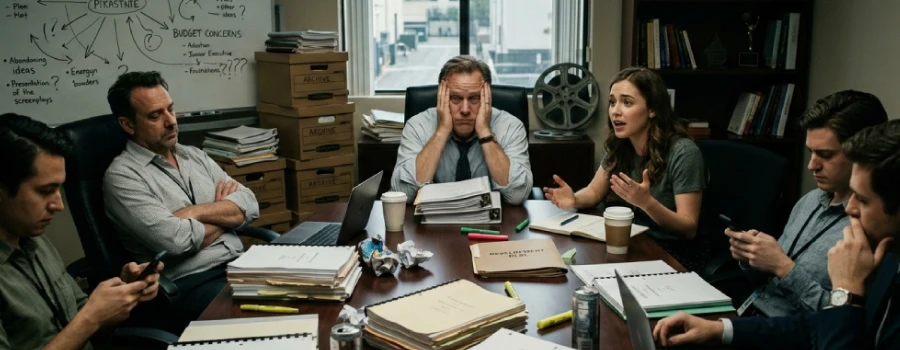
Many projects receive initial encouragement without full greenlight approval. Studios option scripts and commission rewrites without committing to production. This limbo state can last years or even decades.
Development deals allow studios to control promising material without financial commitment. They pay relatively small sums to prevent competitors from acquiring projects. Meanwhile, writers and producers remain hopeful while executives explore angles.
Several factors trap projects in this purgatory. Budget concerns top the list. Creative differences between studios and filmmakers create stalemates. Market conditions shift, making yesterday’s hot property today’s liability.
When Projects Finally Escape Development
External pressure sometimes forces decisions. Talent holding agreements expire, creating use-it-or-lose-it scenarios. Competing studios announce similar projects, sparking races to market. Additionally, passionate executives champion pet projects despite lukewarm consensus.
Independent Film Greenlighting: A Different Animal

Independent studios follow different approval processes. Smaller companies involve fewer decision-makers. As a result, passionate individuals can greenlight projects more quickly. However, limited resources constrain their ambitions.
Indie producers often assemble financing from multiple sources. They patch together funds from equity investors, tax incentives, and pre-sales. This fragmented approach creates different approval dynamics than studio greenlight systems.



Streaming Platforms Reshape the Greenlighting Landscape
Netflix, Amazon, and Apple have disrupted traditional approval processes. These companies prioritize content volume over theatrical performance. Moreover, they measure success through subscriber retention rather than box office receipts.
Streaming services greenlight projects traditional studios might reject. They value niche audiences and experimental storytelling. Consequently, filmmakers now have more avenues to production than ever before.
Algorithm-driven insights influence streaming greenlighting decisions. Viewing data reveals what subscribers actually watch versus what they claim to prefer. These platforms make faster decisions because they answer to fewer stakeholders.
Your Behind-the-Scenes Pass to Hollywood
The film greenlighting process balances art against commerce at every turn. Studio executives juggle creative aspirations with financial realities. Understanding this system reveals why certain films get made while others never see cameras roll.
Multiple gatekeepers protect studio investments from unnecessary risk. Financial analysts, marketing experts, and creative executives all weigh in. Furthermore, international considerations and streaming disruption have transformed traditional approval chains.