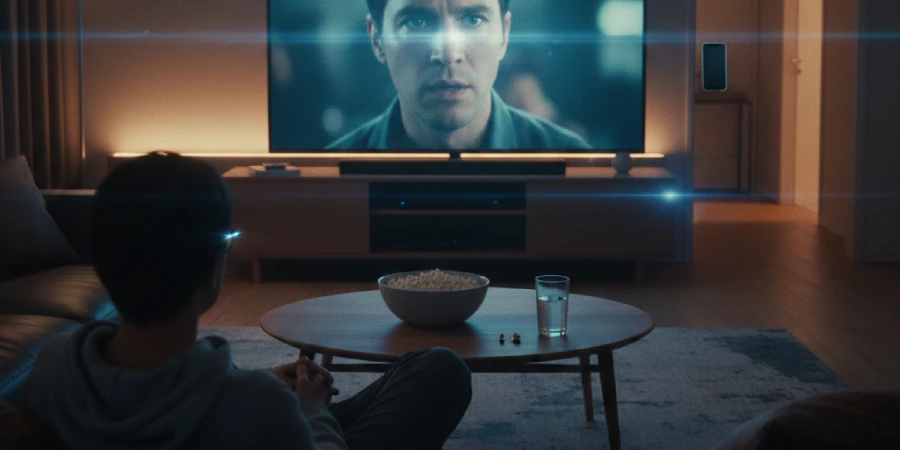

Have you ever sat down to watch a highly-anticipated film, only to find yourself scrolling through your phone halfway through? You’re not alone. In today’s distraction-heavy world, maintaining focus during a two-hour movie has become surprisingly difficult. Whether you’re watching at home or in a theater, scattered attention can rob you of the emotional impact, intricate details, and storytelling brilliance that filmmakers pour into their work.
The good news? You can train your mind to stay engaged and truly absorb every frame. This guide will show you practical, actionable strategies to improve focus while watching movies and rediscover the joy of immersive cinema.
Why We Struggle with Movie Focus
Before diving into solutions, let’s understand the problem. Our brains have been rewired by constant digital stimulation. Social media feeds, notifications, and quick-cut content have shortened our attention spans dramatically. When faced with a slower-paced narrative or a film that requires patience, our minds instinctively search for the next dopamine hit.
Additionally, home viewing environments present unique challenges. Unlike the controlled setting of a movie theater, your living room is filled with distractions—from buzzing phones to household chores beckoning for attention.



Create Your Optimal Viewing Environment
Minimize External Distractions
Your physical space plays a crucial role in concentration. Start by treating movie time as an event, not background noise. Turn off overhead lights and use softer, ambient lighting that mimics theater conditions. This signals to your brain that it’s time to focus.
Put your phone on “Do Not Disturb” mode (how to: Android/iPhone) and place it in another room. Yes, another room—not just face-down on the couch. The mere presence of your phone can reduce cognitive capacity, even when it’s silent. If you’re watching with others, establish a “no phones rule” together.
Optimize Your Comfort Level
Find the sweet spot between comfort and alertness. Lying down might make you drowsy, while sitting too rigidly can cause discomfort. Choose a supportive seat that allows you to relax without encouraging sleep. Keep the room temperature slightly cool—warmth tends to induce drowsiness.
Mental Preparation Techniques
Set Clear Viewing Intentions
Before pressing play, take a moment to set your intention. Ask yourself: Why do I want to watch this film? What am I hoping to experience? This simple act of conscious viewing primes your brain for active engagement rather than passive consumption.
If you’re watching a complex or critically acclaimed film, consider doing brief research beforehand. Understanding the director’s style, the film’s themes, or the historical context can give your mind anchors to hold onto during viewing.
Practice the “First 20 Minutes” Rule
Commit fully to the first 20 minutes without any distractions. Most films establish their tone, introduce key characters, and plant important story seeds in this opening window. By giving your undivided attention early, you build momentum that carries through the rest of the film. Your brain creates neural pathways tied to the narrative, making it easier to stay invested.
Active Watching Strategies
Engage with the Storytelling
Transform yourself from a passive viewer into an active participant. Pay attention to visual details—color palettes, shot composition, recurring symbols. Notice how the soundtrack influences your emotions. Ask yourself questions: What motivates this character? Why did the director choose this editing technique?
This analytical layer doesn’t diminish enjoyment; it deepens it. You’re training your brain to process multiple elements simultaneously, which naturally maintains focus.
Take Strategic Breaks (For Longer Films)
For movies exceeding two and a half hours, a brief intermission isn’t cheating—it’s strategic. Pause at a natural transition point, stand up, stretch, and grab water. This physical reset prevents mental fatigue from derailing your concentration during the final act.
However, keep breaks short (5-7 minutes maximum) and avoid checking social media during them. The goal is physical refreshment, not mental distraction.
Build Your Focus Stamina
Start with Shorter, Engaging Films
If you struggle with feature-length movies, rebuild your concentration gradually. Start with compelling films in the 90-minute range. As your focus improves, progressively tackle longer or more demanding cinema. Think of it as training for a marathon—you wouldn’t start with 26 miles.
Develop a Consistent Viewing Routine
Your brain loves patterns. Establish regular movie nights at the same time and place. This consistency conditions your mind to enter “focus mode” automatically when the ritual begins. Pair it with a simple pre-movie routine—dimming lights, making tea, turning off devices—to create a psychological trigger for concentration.
Practice Mindfulness Meditation
Studies show that regular mindfulness practice significantly improves sustained attention. Even 10 minutes of daily meditation can enhance your ability to notice when your mind wanders and gently redirect it. Apps like Headspace or Calm offer focus-specific exercises that translate directly to better movie concentration.
Nutrition and Timing Considerations
Your physical state affects mental focus. Avoid watching important films when you’re overly tired or immediately after large meals, both of which impair concentration. Stay hydrated but avoid excessive drinking to prevent bathroom breaks during crucial scenes.
If you enjoy movie snacks, choose options that won’t demand constant attention. Prepare everything beforehand so you’re not tempted to pause for kitchen trips.



The Post-Viewing Reflection
Extend your engagement beyond the credits. Take five minutes to reflect on what you watched. What resonated with you? Which scenes stood out? Consider jotting down brief notes or discussing the film with others. This reflection reinforces the neural pathways created during viewing and makes your next movie session even more focused.
Transform Your Movie Experience Today
Learning how to improve focus while watching movies isn’t about rigidly controlling your experience—it’s about removing barriers between you and the art form you love. By implementing these strategies, you’ll notice richer emotional connections, catch subtle details you’d normally miss, and genuinely remember films long after they end.
The cinema offers us stories that challenge, inspire, and transport us to different worlds. Don’t let distraction rob you of that magic. Start with just one technique from this guide during your next movie night. Your future self—and every filmmaker whose work you truly appreciate—will thank you.
Ready to reclaim your movie nights? Pick a film you’ve been meaning to watch, implement these focus strategies, and experience the difference.