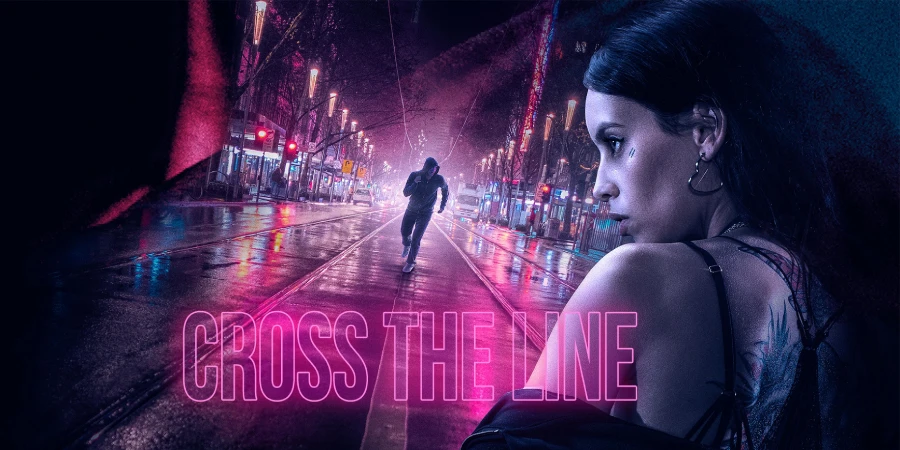

Cross the Line (original title: No Matarás) is a gripping Spanish thriller directed by David Victori. Known for its escalating tension and moral gray zones, the film follows an ordinary man whose life unravels after one impulsive decision. Let’s dive deep into the film, its themes, ending, and the world surrounding it.
Detailed Summary
A Quiet Man with a Heavy Past
Dani (Mario Casas) is a quiet, polite man who has spent years caring for his dying father. After the funeral, he plans to start fresh: travel, clear his mind, and rebuild his life. He looks like the last person who would ever break the law. That’s exactly why Cross the Line becomes so unsettling. The film’s tragedy begins the moment Dani tries to move on.
Meeting Mila: The Catalyst
While preparing for his upcoming trip, Dani has a chance encounter with Mila, a reckless and unpredictable young woman. Their interaction turns into a night filled with bizarre behavior, drugs, and escalating violence. At first, Mila seems like a troubled soul who needs help, but the film slowly reveals that she is more dangerous than she appears.
A Single Decision Changes Everything
A violent altercation occurs at Mila’s apartment when her abusive acquaintance shows up. Dani, terrified and pushed into a corner, kills the man in self-defense. This moment is the psychological fulcrum of the story: the quiet, gentle Dani has just crossed a point of no return.
Covering Up the Crime
Panicked, Dani attempts to hide the evidence. Mila, seemingly experienced with chaos, pressures him to keep moving, to not think. The movie shifts from a suspense drama to a nerve-racking descent into guilt, paranoia, and moral collapse. The title No Matarás (You Shall Not Kill) echoes like a haunting prophecy Dani has already broken.


Movie Ending
As the night spirals out of control, Dani becomes mentally and morally unrecognizable. Mila pushes him into deeper criminal acts, and Dani learns she has been manipulating him all along. Everything from the drugging to the situations they “accidentally” fell into was designed to provoke him.
In the final sequences, police are closing in. Dani is covered in guilt and exhaustion. He is no longer the innocent son who cared for his father. He decides to confess. The ending shows Dani being arrested while looking emotionally destroyed, yet strangely at peace. He finally accepts responsibility, choosing truth over survival, even though it means losing everything. The final message is clear: once you cross a certain line, you can’t go back, but you can still choose who you become afterwards.
Are There Post-Credits Scenes?
No. There are no post-credits scenes in Cross the Line (2020).
Type of Movie
Cross the Line is a dark psychological thriller that gradually evolves into a claustrophobic moral horror story, exploring how fragile identity and ethics can become under pressure.
Cast
- Mario Casas as Dani
- Milena Smit as Mila
- Elisabet Casanovas as Laura
- Fernando Valdivielso as Ray
- Olga Palombi as Woman on train
Film Music and Composer
The score is composed by Federico Jusid, known for intense musical atmospheres. His soundtrack uses electronic and pulsating elements to reinforce Dani’s anxiety and moral breakdown, enhancing the sense of being trapped in an endless night.

Filming Locations
The movie was shot mainly in Barcelona, Spain. The city plays a crucial role: instead of showing its touristic beauty, the film dives into its claustrophobic night streets, neon corners, and underground lifestyles, transforming Barcelona into a psychological maze that mirrors Dani’s inner turmoil.
Awards and Nominations
- Goya Awards (Spain): Mario Casas won Best Actor
- Milena Smit was nominated for Best New Actress
- Several nominations for editing and direction in Spanish film festivals
Behind the Scenes Insights
- Mario Casas drastically changed his physical appearance and behavior to portray Dani’s stressed deterioration.
- Milena Smit had no major acting experience prior to filming; her rawness contributed to her character’s unsettling unpredictability.
- Many scenes were shot with handheld cameras to increase the audience’s “panic closeness.”
- The director encouraged improvisation during the chaotic conversations between Dani and Mila to make the tension feel real.
Inspirations and References
- The film echoes Hitchcockian suspense, particularly stories where ordinary people fall into extraordinary crimes.
- Themes resemble Dostoevsky’s moral philosophy in Crime and Punishment.
- The title refers to biblical and ethical codes, implying Dani’s internal war before external consequences.
Alternate Endings and Deleted Scenes
- Early drafts included an ending where Dani escapes but lives tormented by guilt.
- A deleted scene showed Dani at the airport attempting to leave, only to break down emotionally, hinting he couldn’t live with the lie. The director chose the current ending to emphasize accountability over escape.
Memorable Scenes and Quotes
Key Scenes
- Dani killing the man in Mila’s apartment, captured in one chaotic, shocking shot.
- Mila laughing hysterically after the killing, blurring whether she’s traumatized or manipulative.
- Dani finally surrendering to the police at the end, broken yet morally awake.
Iconic Quotes
- “You don’t have to think. Just let go.” – Mila
- “I’m not this person.” – Dani
- “Everyone is capable of anything under the right circumstances.” – Implied theme through the film’s tone


Easter Eggs and Hidden Details
- Dani’s suitcase is symbolic: it represents his future, staying untouched while he emotionally destroys himself.
- Repeated visuals of mirrors and reflections show Dani losing his identity.
- Frequent low-angle lights mimic interrogation lamps, foreshadowing his eventual confession.
Trivia
- Mario Casas won the Goya Award after ten years of nominations.
- Milena Smit was discovered through social media modeling photos, not acting auditions.
- None of the actors were fully informed of the exact script ending to intensify real reactions.
Why Watch?
If you enjoy intense character studies, moral dilemmas, and realistic suspense that grows slowly yet explosively, Cross the Line delivers a gripping psychological ride. It’s a thriller that doesn’t rely on villains or heroes, only decisions and consequences.
Director’s Other Works
- The Opposite of Love (2011)
- El Pacto (2018)
Recommended Films for Fans
- The Invisible Guest (2016)
- Tension of the River (2023)
- Sleep Tight (2011)
- Bad Day for the Cut (2017)