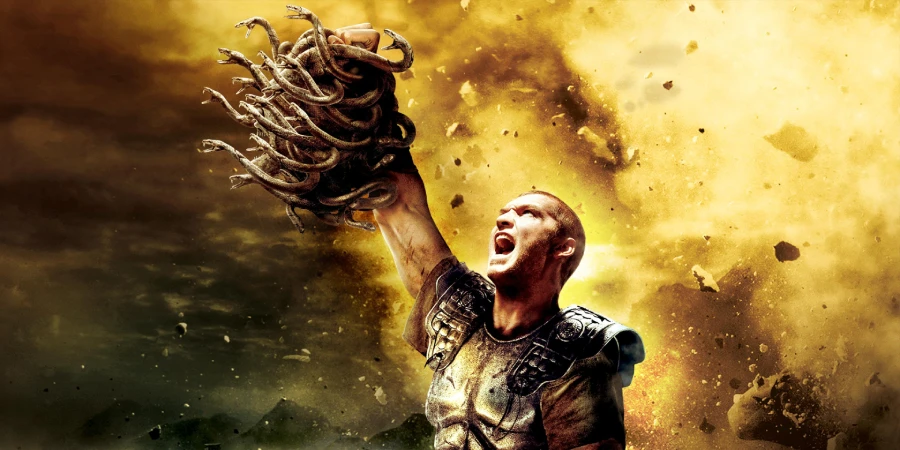

Clash of the Titans (2010) is a mythological fantasy-action film directed by Louis Leterrier. It is a loose remake of the 1981 classic of the same name and draws heavily from Greek mythology, mixing gods, monsters, and epic battles into a modern CGI-driven spectacle.
Detailed Summary
The Fall of Argos and Perseus’ Origin
The story begins with the destruction of Perseus’ mortal family by Hades, god of the Underworld. Perseus himself is revealed to be the demigod son of Zeus, born of a mortal woman. This tragic opening establishes Perseus’ defining inner conflict: he despises the gods, yet carries divine blood.
War Between Gods and Men
Humanity begins to rebel against the gods, believing they no longer need divine protection. Zeus warns that if humans stop worshipping, the gods will weaken. To enforce obedience, Hades releases the Kraken, threatening to destroy the city of Argos unless Princess Andromeda is sacrificed.
This sets up the film’s central dilemma: submit to the gods or fight fate itself.
Perseus Chooses His Path
Refusing divine gifts, Perseus joins a group of warriors on a quest to defeat the Kraken by killing Medusa, whose head can turn any living creature to stone. Along the way, the group battles giant scorpions, encounters Io (a cursed immortal priestess), and faces internal losses that reinforce the danger of defying the gods.
The Medusa Sequence
The Medusa scene is one of the film’s most iconic moments. Set in a dark, ruined temple, it emphasizes tension and horror rather than scale. Most of Perseus’ companions are killed, highlighting the cost of heroism. Perseus succeeds but at great personal loss.
Gods at War
Meanwhile, tensions rise on Mount Olympus. Hades manipulates events to weaken Zeus, feeding on human fear rather than worship. This adds a political layer to the divine conflict and reframes Hades as more than a simple villain.
Movie Ending
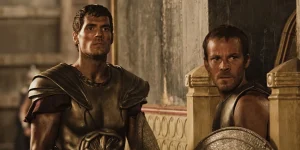
In the final act, Perseus returns to Argos as the Kraken is unleashed upon the city. Chaos erupts as massive destruction spreads across the coastline. Perseus confronts both the monster and his own destiny.
Using Medusa’s severed head, Perseus turns the Kraken to stone just before it can annihilate the city. This act not only saves Argos but symbolically proves that humans are not powerless against the gods.
Hades attempts one last attack, but Zeus intervenes, stripping Hades of his power and banishing him back to the Underworld. Zeus offers Perseus a place on Mount Olympus, acknowledging him as his son.
Perseus rejects godhood, choosing to live as a mortal despite his divine heritage. He remains with Andromeda, embracing a human life shaped by choice rather than fate. Zeus, watching from afar, accepts this decision, signaling a fragile peace between gods and mankind.
Are There Post-Credits Scenes?
No. Clash of the Titans (2010) does not include any post-credits or mid-credits scenes. The story ends definitively, without teasers for sequels.
Type of Movie
The film is a mythological fantasy action-adventure, blending ancient Greek legends with modern blockbuster pacing and heavy CGI. It prioritizes spectacle, combat, and heroic destiny over strict mythological accuracy.
Cast
- Sam Worthington – Perseus
- Liam Neeson – Zeus
- Ralph Fiennes – Hades
- Gemma Arterton – Io
- Alexa Davalos – Andromeda
- Jason Flemyng – Calibos / Acrisius
- Mads Mikkelsen – Draco
Film Music and Composer
The score was composed by Ramin Djawadi, known for epic and dramatic orchestral themes. His music emphasizes divine scale, impending doom, and heroic resolve, laying the groundwork for his later work on Game of Thrones.

Filming Locations and Their Importance
- Tenerife, Canary Islands – Volcanic landscapes used for the Underworld and hostile mythological terrains
- Iceland – Harsh, alien environments representing lands beyond civilization
- Pinewood Studios, UK – Interior sets, Olympus, and major CGI-heavy sequences
These locations reinforce the contrast between mortal fragility and divine brutality, grounding fantasy elements in real-world textures.
Awards and Nominations
While not a major awards contender, the film received:
- Nominations for Best Visual Effects at several technical award bodies
- Recognition for production design and creature effects in genre-focused ceremonies
Critical reception was mixed, with visuals praised more than storytelling.
Behind the Scenes Insights
- The film was converted to 3D after completion, a decision widely criticized for reducing image quality
- Medusa’s design leaned more toward horror than classical beauty
- Liam Neeson and Ralph Fiennes previously played Jedi in Star Wars, making their godly reunion a fan favorite
- Many action scenes relied heavily on motion capture and digital doubles
Inspirations and References
- Greek mythology: Perseus, Medusa, Zeus, Hades, Kraken
- The 1981 Clash of the Titans (practical effects inspiration)
- Ray Harryhausen’s stop-motion creature designs, reimagined digitally
Alternate Endings and Deleted Scenes
- Extended Olympus scenes were cut to improve pacing
- Additional character development for Draco and Io was removed
- No fully alternate ending was filmed, but early drafts had Perseus briefly accepting godhood before rejecting it
Book Adaptations and Differences
The film is not based on a single book, but rather on mythological sources. Compared to classical myths:
- The Kraken is not originally Greek
- Io’s role is greatly expanded
- Perseus’ hatred of the gods is a modern reinterpretation
Memorable Scenes and Quotes
Key Scenes
- Medusa’s temple battle
- Release of the Kraken
- Perseus refusing Zeus’ offer of immortality
Iconic Quotes
- Zeus: “You live, you die. That is your world.”
- Perseus: “I am a man. And I will stand and fight.”
Easter Eggs and Hidden Details
- Pegasus’ design mirrors ancient Greek vase art
- Zeus’ armor subtly changes as his power weakens
- Olympus architecture reflects fading worship through cracking light and stone
Trivia
- The film grossed over $493 million worldwide
- One of the first major films criticized for rushed 3D conversion
- Spawned a sequel: Wrath of the Titans (2012)
Why Watch?
Watch Clash of the Titans (2010) if you enjoy large-scale mythological battles, gods behaving badly, and heroes who challenge fate itself. It’s imperfect but delivers pure blockbuster energy and unforgettable monster encounters.
Director’s Other Works
- The Transporter (2002)
- Unleashed / Danny the Dog (2005)
- The Incredible Hulk (2008)
- Now You See Me (2013)