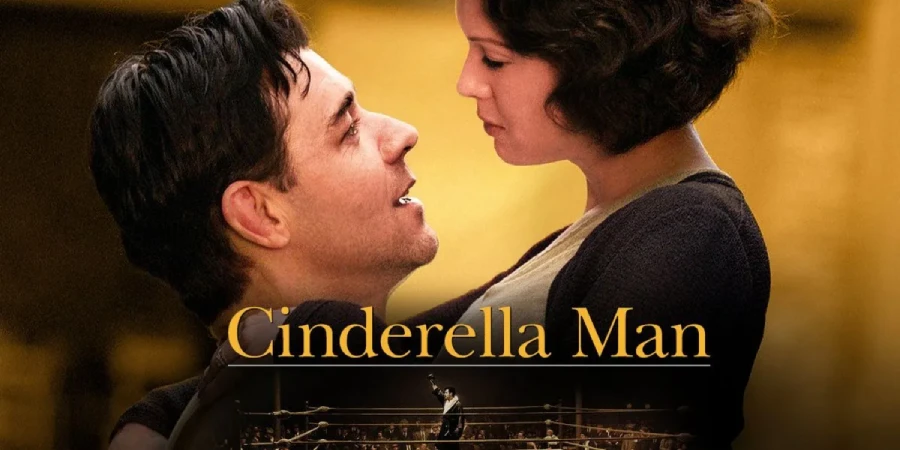

Cinderella Man (2005) is an inspiring sports drama based on the true story of James J. Braddock, a boxer who became a symbol of hope during the Great Depression. Directed by Ron Howard, the film blends boxing action with heartfelt family drama and historical realism. It is not just about punches thrown in the ring, but about dignity, resilience, and survival when everything seems lost.
Detailed Summary
From Promising Boxer to Broken Man
The film begins in the late 1920s, where James J. Braddock is introduced as a hardworking heavyweight boxer in New Jersey. He’s not a superstar, but he earns enough to support his wife Mae Braddock and their children. However, after suffering a serious hand injury and a series of losses, Braddock’s boxing career collapses.
At the same time, the Great Depression hits America hard. Braddock loses his job at the docks, struggles to feed his family, and is forced to swallow his pride by accepting government relief. These scenes are deliberately uncomfortable, emphasizing how deeply unemployment and poverty crush personal dignity.
A Desperate Comeback Opportunity
When another boxer drops out at the last minute, Braddock is offered a chance to fight again. The odds are stacked against him, but he accepts because his family desperately needs the money. Surprisingly, Braddock wins the fight using his injured hand, shocking audiences and promoters alike.
This unexpected victory sparks a comeback. Fight by fight, Braddock defeats younger, stronger opponents, becoming a working-class hero. Newspapers dub him the “Cinderella Man,” as his unlikely rise mirrors a fairy tale amid national despair.
Fame, Pressure, and Moral Conflict
As Braddock’s fame grows, so does the pressure. His wife Mae fears that boxing will kill him, especially after seeing the brutal consequences of the sport. Their marriage is tested as Braddock balances his responsibility as a father with his role as a public symbol of hope.
Meanwhile, boxing promoter Joe Gould navigates the corrupt and harsh realities of professional boxing, while champion Max Baer is portrayed as a terrifying opponent, rumored to have killed two fighters in the ring.


Movie Ending
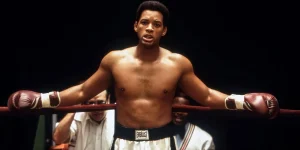
The final act centers on the heavyweight championship fight between James J. Braddock and Max Baer. Baer is younger, stronger, and widely expected to dominate. Many believe Braddock is simply lucky to have made it this far.
The fight itself is intense and grueling. Baer relentlessly attacks Braddock, landing devastating punches. Braddock is knocked down but repeatedly gets back up, refusing to surrender. What makes this fight compelling is not just the physical battle, but the emotional stakes: Braddock is fighting for his family, his pride, and the millions of struggling Americans who see themselves in him.
After 15 brutal rounds, the fight goes to a decision. The judges unanimously declare James J. Braddock the heavyweight champion of the world. The underdog has achieved the impossible.
The film closes by showing Braddock returning to a modest life despite his fame. One of the most powerful moments comes when it’s revealed that Braddock voluntarily repaid the government relief money he had once relied on, reinforcing his integrity and gratitude. The final text explains what happened to Braddock and his family, underlining that his greatest victory was not the title, but the life he built.
Are There Post-Credits Scenes?
No, Cinderella Man does not include any post-credits or mid-credits scenes. The story concludes fully before the credits roll, staying true to its grounded, historical tone.
Type of Movie
Cinderella Man is a biographical sports drama that blends boxing action with historical and family-focused storytelling, emphasizing emotional realism over spectacle.
Cast
- Russell Crowe as James J. Braddock
- Renée Zellweger as Mae Braddock
- Paul Giamatti as Joe Gould
- Craig Bierko as Max Baer
- Paddy Considine as Mike Wilson
Film Music and Composer
The score was composed by Thomas Newman, whose subtle, emotional music underscores both the brutality of boxing and the quiet desperation of family life during the Depression. The music avoids grand heroics and instead reinforces the film’s grounded realism.
Filming Locations
The movie was shot primarily in Toronto, Ontario, which doubled for 1930s New Jersey and New York. Additional scenes were filmed in Chicago. These locations were chosen for their preserved historic architecture, helping recreate Depression-era America without excessive CGI.
Awards and Nominations
- Nominated for 3 Academy Awards (Best Supporting Actor for Paul Giamatti, Best Film Editing, Best Makeup)
- Nominated for multiple Golden Globes and BAFTA awards
While it didn’t win major Oscars, it was widely praised for performances and emotional impact.
Behind the Scenes Insights
- Russell Crowe gained weight and trained extensively to reflect Braddock’s physical transformation.
- Real boxing footage from the 1930s was studied to replicate authentic fighting styles.
- Paul Giamatti based Joe Gould on extensive research and interviews with boxing historians.
- Ron Howard avoided stylized boxing choreography to keep fights raw and exhausting rather than flashy.
Inspirations and References
The film is based on the biography “Cinderella Man: James J. Braddock, the Real-Life Rocky Story” by Jeremy Schaap. It also draws thematic inspiration from classic underdog sports films, though the story itself is entirely real.
Alternate Endings and Deleted Scenes
There are no known alternate endings. Some deleted scenes reportedly expanded Mae Braddock’s perspective on boxing-related trauma, but they were removed to maintain pacing and focus on James’s journey.
Book Adaptations and Differences
While faithful to the book, the film exaggerates Max Baer’s villainy for dramatic effect. In reality, Baer was more complex and less cruel than portrayed. The movie simplifies timelines and certain relationships to strengthen emotional clarity.

Memorable Scenes and Quotes
Key Scenes
- Braddock breaking his hand and continuing to fight
- The family heating their home by burning furniture
- The first comeback victory that shocks the crowd
- The final championship decision
Iconic Quotes
- James Braddock: “I have a family to feed.”
- Mae Braddock: “I know you fight. I just don’t know why you have to die doing it.”
- Joe Gould: “Everybody deserves a second chance.”
Easter Eggs and Hidden Details
- Actual fight statistics appear briefly on newspapers shown in the background.
- The number of rounds in the final fight mirrors the real championship bout.
- Some crowd reactions were recreated from historical photographs.
Trivia
- Russell Crowe chipped a tooth during training.
- The real James Braddock’s family was consulted during production.
- Ron Howard considered naming the film simply Braddock before choosing Cinderella Man for thematic clarity.
Why Watch?
If you enjoy true stories, underdog victories, and emotionally grounded sports films, Cinderella Man delivers powerfully. It’s not just about winning a title, but about maintaining humanity when the world strips everything else away.
Director’s Other Works
- A Beautiful Mind (2001)
- Apollo 13 (1995)
- Rush (2013)
- Frost/Nixon (2008)
- Solo: A Star Wars Story (2018)