
Hollywood creates its own mythology while simultaneously tearing it down in this 1937 masterpiece. This original version of a recurring cinematic legend exposes the brutal price of Tinseltown fame. Esther Blodgett enters the studio system with dreams but soon finds herself trapped in a tragic romance with a fading icon.
Detailed Summary
Small Town Dreams and Big City Reality
Esther Blodgett lives in North Dakota with a deep yearning for the silver screen. Her grandmother encourages her to chase this dream despite lukewarm support from other family members. Esther departs for Los Angeles with enough money for just a few weeks of survival.
Employment proves difficult because thousands of other young women share her exact ambitions. She eventually finds work as a waitress at a high-end Hollywood party. This humble job places her directly in the path of Norman Maine, a massive star struggling with alcoholism.
The Discovery of Vicki Lester
Norman sees something genuine in Esther and decides to help her navigate the studio system. He convinces his producer, Oliver Niles, to give her a screen test. Studio executives decide she needs a new image and a more marketable name.
Esther officially becomes Vicki Lester after the studio dyes her hair and reshapes her eyebrows. Her debut performance receives rave reviews from critics and audiences alike. Consequently, her career skyrockets while Norman begins a painful downward spiral into professional obscurity.
A Union of Success and Failure
Norman and Vicki marry in a simple ceremony to avoid a media circus. Their domestic bliss remains fragile due to the shifting power dynamics in their relationship. Vicki wins an Academy Award for her acting prowess, marking the peak of her professional life.
Tragedy strikes during her acceptance speech when a drunken Norman accidentally hits her in the face. This public humiliation forces him into a sanitarium for treatment. He eventually returns home but realizes his presence only hinders Vicki’s bright future.


Movie Ending
Norman overhears Vicki telling Oliver Niles that she plans to quit her career to care for her husband. This realization crushes his spirit because he cannot bear to be the cause of her professional demise. He decides to make the ultimate sacrifice to set his wife free from his burden.
The fallen star walks into the ocean and commits suicide by drowning himself in the waves. Vicki falls into a deep state of grief and considers returning to her home state. However, her grandmother arrives in Hollywood to convince her that she must honor Norman’s sacrifice by staying.
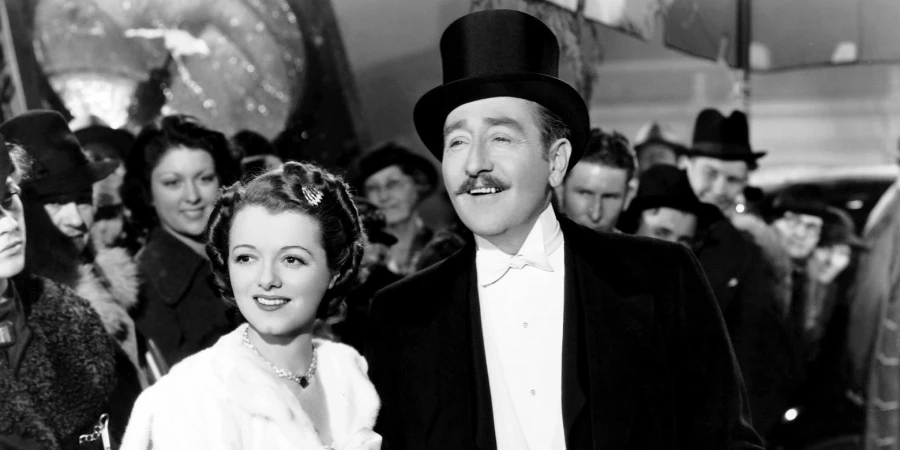
Vicki attends a major premiere after this pep talk to face the public once again. The announcer asks her to speak to the microphones during her grand entrance. She proudly declares herself Mrs. Norman Maine, proving that his memory will live on through her success.
Are There Post-Credits Scenes?
This film does not contain any post-credits scenes. Hollywood movies from the 1930s typically ended immediately after the final emotional beat. Audience members should expect a traditional The End title card after the closing scene.
Type of Movie
This film is a quintessential Technicolor drama that borders on tragedy. It presents a cynical yet romanticized view of show business. The tone shifts from hopeful and charming to deeply somber as the narrative progresses.
Cast
- Janet Gaynor – Esther Blodgett / Vicki Lester
- Fredric March – Norman Maine
- Adolphe Menjou – Oliver Niles
- May Robson – Grandmother Lettie
- Andy Devine – Danny McGuire
- Lionel Stander – Libby
Film Music and Composer
Max Steiner composed the sweeping score for this influential production. He utilized lush orchestral arrangements to emphasize the emotional peaks of Vicki’s journey. Furthermore, the music highlights the contrast between the glamorous parties and the lonely reality of the characters.



Filming Locations
Production took place entirely in Los Angeles to capture the authentic vibe of the film industry. The crew utilized the Grauman’s Chinese Theatre for the iconic final sequence. Using real landmarks helped ground the fictional story in a tangible reality for viewers.
Awards and Nominations
The film earned seven Academy Award nominations and secured a win for Best Writing, Original Story. Notably, W. Howard Greene received an Honorary Award for his pioneering color photography in this production.
Behind the Scenes Insights
- The production utilized the expensive three-strip Technicolor process during its infancy.
- David O. Selznick insisted on casting Janet Gaynor because she projected a wholesome image.
- Fredric March reportedly based his tragic performance on several real-life alcoholic actors of that era.
- The script underwent numerous revisions to ensure the studio system did not look too villainous.
Inspirations and References
Many historians believe the plot draws inspiration from the real-life marriage of Barbara Stanwyck and Frank Fay. In addition, the 1932 film What Price Hollywood? served as a direct structural precursor to this story. These influences helped create a narrative that felt painfully familiar to industry insiders.
Alternate Endings and Deleted Scenes
The writers considered several different ways for Norman to meet his end before choosing the ocean scene. Some early drafts suggested a car accident or a more violent departure. Ultimately, the drowning provided a poetic and quiet conclusion that fit the character’s internal exhaustion.
Book Adaptations and Differences
This movie originated as an original screenplay rather than a book adaptation. Several writers contributed to the story to make it a definitive Hollywood tale. Therefore, no source novel exists for fans to compare against the film.



Memorable Scenes and Quotes
Key Scenes
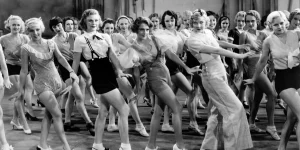
- Vicki mimics several famous actresses during her job hunt in Hollywood.
- Norman disrupts the Oscars ceremony with his drunken outburst.
- The final announcement at the premiere remains one of the most famous moments in film history.
Iconic Quotes
- “I’m Vicki Lester.”
- “This is Mrs. Norman Maine.”
- “Dreamers are the only ones who survive in this town.”
Easter Eggs and Hidden Details
- The box of makeup Vicki uses contains real brands that were popular during the 1930s.
- Background actors in the premiere scenes included actual Hollywood fans who gathered for the shoot.
- Subtle visual cues show Norman’s gradual physical decline through his changing wardrobe.
Trivia
- This film marks the first time A Star Is Born appeared on screen before its many famous remakes.
- The 1937 version remains the only one that is not a musical.
- Janet Gaynor was the first person to ever win a Best Actress Oscar before starring in this role.
Why Watch?
This foundational classic offers a raw look at the dangers of chasing fame. Every modern remake owes its existence to the emotional beats established here. It features powerful performances that still resonate with modern audiences today.
Director’s Other Movies
- Nothing Sacred (1937)
- The Young in Heart (1938)
- Made for Each Other (1939)
- Wellman also directed Wings (1927)
Recommended Films for Fans
- A Star Is Born (2018)
- Sunshine (1932)
- Sunset Boulevard (1950)
- All About Eve (1950)
- The Artist (2011)