
Sam Peckinpah’s The Wild Bunch is one of the most influential westerns ever made, redefining cinematic violence, moral ambiguity, and the mythology of the dying American West.
Detailed Summary
The Opening Robbery: Masks, Marching Soldiers, and a Bloodbath
The film begins with Pike Bishop (William Holden) leading his aging outlaw gang into a Texas town disguised as U.S. soldiers to rob a railroad office. Unbeknownst to them, a group of bounty hunters—led by Pike’s former partner Deke Thornton—lies in ambush. The heist instantly erupts into an explosive gunfight, filled with the slow-motion brutality that became Peckinpah’s signature. Civilians die in the crossfire, signaling the film’s commitment to realism over romanticized western tropes.
Retreat and Regroup: The Tired Outlaws
Pike’s gang—Dutch (Ernest Borgnine), the Gorch brothers, and young Angel—barely escape. Meanwhile, Thornton is forced by corrupt railway officials to continue the chase or return to prison. Pike’s bunch soon realizes the West they once dominated is disappearing, replaced by corporations, railroads, and technology. Their outlaw lifestyle is becoming obsolete.
Mexico: A Deal with a Devil
The gang crosses into Mexico and encounters Angel’s village, oppressed by the warlord General Mapache. In need of cash, the Bunch strikes a deal to steal U.S. Army rifles for Mapache. Angel, however, insists on taking a crate of rifles for his village, secretly undermining the general. This act triggers a series of loyalties and betrayals that shape the final act.
The Train Heist: Precision and Chaos
The Bunch executes a meticulously planned robbery on a military train. Angel’s part in the scheme—allowing his villagers to steal a crate of guns—is discovered, and Thornton’s bounty hunters close in, leading to a thrilling chase sequence involving horses, wagons, and a flaming bridge collapse.
Mapache’s Betrayal: The Breaking Point
When the Bunch returns with the rifles, Mapache learns Angel stole from him and brutally tortures the young outlaw. Pike tries to negotiate Angel’s release but Mapache refuses. After a night of heavy drinking, the Bunch silently decides that loyalty matters more than survival.

Movie Ending
The ending is one of the most famous in film history.
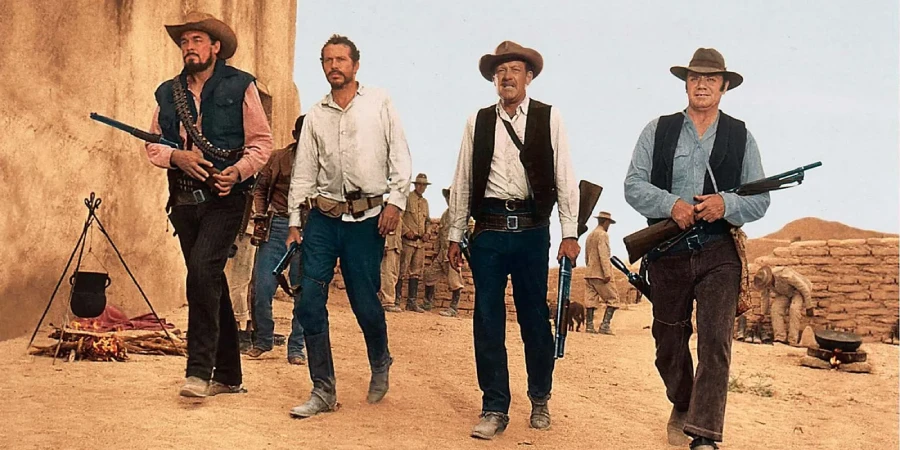
Pike, Dutch, and the Gorch brothers march through Mapache’s compound in a calm, fearless manner. When Mapache slits Angel’s throat in front of them, Pike immediately shoots him dead. For a brief moment there is silence… then chaos erupts.
The gang fights an entire Mexican army for several minutes in an operatic, slow-motion massacre. Every member of the Bunch is gunned down, but they take dozens of soldiers with them. Peckinpah frames their final stand as a brutal but bold and unforgettable statement about loyalty, self-destruction, and the ending of an era.
Thornton eventually arrives and sees the carnage. Instead of celebrating, he is exhausted and disgusted. He decides to abandon his pursuit of outlaws and joins a small group of Mexican revolutionaries, suggesting he too is done serving corrupt powers. The film closes with an ending montage of Pike’s gang riding together in happier times—an elegiac reminder of the brotherhood that defined their lives.
Are There Post-Credits Scenes?
No. The film ends traditionally, with no post-credit scenes or stingers.
Type of Movie
The Wild Bunch is a revisionist western that blends gritty realism with operatic violence and themes of moral decay. It focuses on aging outlaws facing the end of their era.
Cast
- William Holden – Pike Bishop
- Ernest Borgnine – Dutch Engstrom
- Robert Ryan – Deke Thornton
- Warren Oates – Lyle Gorch
- Ben Johnson – Tector Gorch
- Edmond O’Brien – Sykes
- Jaime Sánchez – Angel
- Emilio Fernández – General Mapache
Film Music and Composer
The score was composed by Jerry Fielding, combining Mexican folk influences and somber orchestration to reflect the film’s themes of fading glory and inevitable doom.
Filming Locations
Primarily shot in Mexico, including:
- Durango – Used for the rugged desert landscapes and frontier towns.
- Parras and Torreón – Provided authentic Mexican architecture for Mapache’s compound and local villages.
These locations were crucial in grounding the film in a dusty, lived-in authenticity, reinforcing its sense of a fading Old West swallowed by modernization and revolution.
Awards and Nominations
- Academy Award nominations for Best Original Screenplay and Best Original Score.
- Selected for the National Film Registry for cultural and historical significance.
- Widely acclaimed by critics, though controversial upon release.
Behind the Scenes Insights
- Peckinpah pushed for unprecedented levels of slow-motion violence, angering studios but revolutionizing editing techniques.
- The cast endured extreme heat during filming in Mexico.
- Real Mexican soldiers served as extras for the climactic shootout.
- Peckinpah insisted on improvisation for several scenes, pushing actors to create natural, lived-in chemistry.
Inspirations and References
- Loosely inspired by real incidents during the Mexican Revolution.
- Influenced by the decline of classic Hollywood westerns and a desire to portray a more brutal, honest look at outlaw life.
- Narrative themes echo novels about dying frontiers and the clash between tradition and modernity.
Alternate Endings and Deleted Scenes
- Some extended scenes of Mapache’s camp were cut for pacing.
- An early version featured more explicit backstory for Pike and Thornton, showing their full relationship before betrayal.
- The studio removed a longer, more graphic version of the opening massacre.
Book Adaptations and Differences
The film was novelized afterward but is not based on an existing novel.
The novelization includes more internal monologues, backstory, and political details about Mexico that the movie only hints at.
Memorable Scenes and Quotes
Key Scenes
- The chaotic opening gunfight during the robbery.
- Angel confronting Mapache about stolen villagers.
- The train heist and bridge explosion.
- The gang’s final walk into Mapache’s fortress.
- The last stand—one of cinema’s most intense shootouts.
Iconic Quotes
- Pike Bishop: “When you side with a man, you stay with him.”
- Dutch: “I wouldn’t have it any other way.”
- Pike: “Let’s go.” (Before the final walk)
- Deke Thornton: “I’ve got to catch up with the rest of the bunch.”
Easter Eggs and Hidden Details
- The children torturing scorpions early in the film foreshadow the Bunch’s fate.
- Pike’s old gun is symbolic of him being out of time.
- Mapache’s drunken celebrations mirror the Bunch’s own decline.
- Thornton’s final choice parallels Pike’s early declaration of loyalty.
Trivia
- The film was considered shockingly violent for its time.
- Sam Peckinpah’s editing techniques influenced directors like Tarantino, Woo, and Scorsese.
- Many actors performed their own stunts.
- The American DVD initially censored some scenes until a restored cut was released.
Why Watch?
Because it remains one of the greatest westerns ever filmed, offering raw performances, groundbreaking action, complex themes, and a haunting portrayal of men outliving their time. Its influence on modern cinema is enormous, and its ending is still discussed by film fans and students alike.
Director’s Other Movies
- Ride the High Country (1962)
- Major Dundee (1965)
- Straw Dogs (1971)
- Pat Garrett & Billy the Kid (1973)
- Bring Me the Head of Alfredo Garcia (1974)
Recommended Films for Fans
- Butch Cassidy and the Sundance Kid (1969)
- Pat Garrett & Billy the Kid (1973)
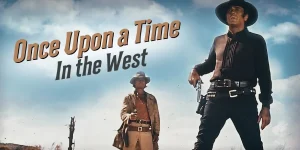
- Once Upon a Time in the West (1968)
- The Outlaw Josey Wales (1976)
- Unforgiven (1992)