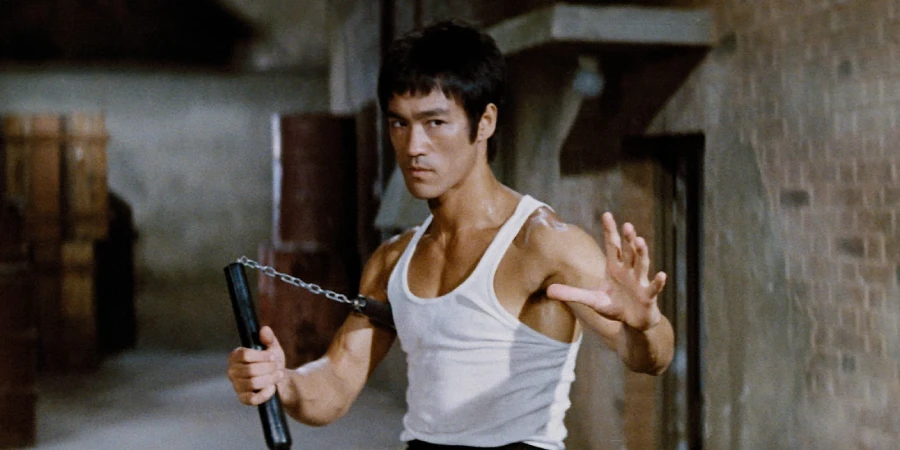

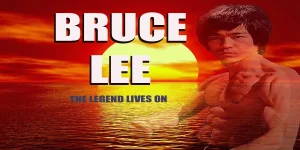
Way of the Dragon (also known as Return of the Dragon) is one of the most important martial arts films ever made. It is Bruce Lee’s first fully self-directed feature, and the movie that permanently cemented his global legend. While it is smaller in scale than later Bruce Lee films, its cultural and cinematic impact is enormous.
Detailed Summary
Arrival in Rome: The Outsider Enters the West
Tang Lung (Bruce Lee), a skilled but humble martial artist from Hong Kong, travels to Rome to help relatives who are being harassed by criminals trying to force them to sell their Chinese restaurant. Tang Lung is immediately portrayed as fish-out-of-water, unfamiliar with Western customs, food, and language, which adds light humor early on.
Despite his awkwardness, Tang Lung’s calm confidence and discipline quickly stand out.
The Restaurant Under Siege
The restaurant owners are under constant pressure from a criminal syndicate that wants their property. Tang Lung initially avoids violence, preferring patience and self-control. However, when gang members escalate their threats, Tang Lung steps in.
This section showcases Bruce Lee’s philosophy: martial arts as a last resort, not a first instinct.
The Criminal Syndicate Strikes Back
After Tang Lung defeats several local fighters with ease, the syndicate realizes brute force alone won’t work. They begin importing international martial artists, each representing different fighting styles (karate, kung fu, etc.), to take Tang Lung down.
This turns the movie into a progressive martial arts showcase, building tension toward an inevitable ultimate confrontation.
The Rise of Colt
The criminals’ final solution is Colt (Chuck Norris), an American martial artist with a cold, disciplined demeanor. Unlike the earlier opponents, Colt is treated with respect by Tang Lung, and their confrontation is framed not as good vs evil, but skill vs skill.
Their meeting signals that the movie is heading toward something bigger than a typical action finale.
Movie Ending
The final fight takes place in the Colosseum of Rome, one of the most iconic locations in film history. Tang Lung and Colt face each other alone, surrounded by ancient ruins that symbolize the clash between East and West, old traditions and modern combat.
At first, the fight is respectful and restrained. Both men test each other carefully. As the battle intensifies, Tang Lung adapts, studies Colt’s movements, and gradually gains the upper hand. The tone shifts from spectacle to something deeply personal and somber.
Eventually, Tang Lung defeats Colt. Instead of celebrating, he covers Colt’s body with his martial arts gi, a gesture of honor and respect. This moment is crucial: Bruce Lee emphasizes that victory does not equal triumph, and violence always carries weight.
The movie ends with Tang Lung leaving the Colosseum alone. There is no applause, no glory—only reflection. The ending reinforces the film’s core message: true mastery comes with humility and emotional restraint.
Are There Post-Credits Scenes?
No. Way of the Dragon does not include any post-credits or mid-credits scenes. The film ends definitively, in line with 1970s cinema traditions.
Type of Movie
Way of the Dragon is a martial arts action film with strong elements of comedy and philosophy. It blends traditional kung fu cinema with Western storytelling and cultural contrast.
Cast
- Bruce Lee as Tang Lung
- Chuck Norris as Colt
- Nora Miao as Chen Ching-hua
- Bob Wall as Mafia Enforcer
- Malisa Longo as Italian Woman
Film Music and Composer
The music was composed by Joseph Koo, a legendary figure in Hong Kong cinema. The score combines traditional martial arts motifs with light comedic tones, reflecting the movie’s balance between humor and intensity.
Filming Locations
- Rome, Italy – The Colosseum scenes are real, not studio recreations. This was revolutionary for martial arts films at the time and gave the movie a global feel.
- Hong Kong – Interior and restaurant scenes were shot here, grounding the story in Bruce Lee’s cultural roots.
The use of the Colosseum elevated the final duel into cinematic history, symbolizing martial arts stepping onto the world stage.
Awards and Nominations
While Way of the Dragon did not receive major international awards upon release, it has since been retrospectively recognized as one of the most influential martial arts films ever made and frequently appears on “greatest action films” lists.
Behind the Scenes Insights
- Bruce Lee choreographed every fight himself, refusing stunt doubles.
- Chuck Norris lost weight intentionally to appear leaner and faster on screen.
- The Colosseum fight was shot early in the morning to avoid crowds.
- Bruce Lee insisted on long, uninterrupted shots to showcase real martial arts skill rather than editing tricks.
Inspirations and References
The film reflects Bruce Lee’s personal martial arts philosophy, Jeet Kune Do, emphasizing adaptability and efficiency. It also draws inspiration from classic Western duel films, particularly spaghetti westerns, in its pacing and final showdown.
Alternate Endings and Deleted Scenes
No alternate ending has ever been released. Some comedic scenes were trimmed for pacing, but Bruce Lee was known for tight creative control, so most of his original vision made it to the final cut.
Book Adaptations and Differences
Way of the Dragon is not based on a book. It is an original screenplay written by Bruce Lee, making it one of the purest expressions of his ideas.
Memorable Scenes and Quotes
Key Scenes
- Tang Lung eating Western food with chopsticks in Rome
- Tang Lung defeating multiple fighters without showing off
- The Colosseum duel, widely considered one of the greatest fight scenes ever filmed
Iconic Quotes
- “I’m not afraid of the man who knows 10,000 kicks, but the man who has practiced one kick 10,000 times.”
- “The art of fighting without fighting.”
Easter Eggs and Hidden Details
- Bruce Lee’s cat appears briefly in the restaurant scenes.
- Tang Lung’s awkward humor mirrors Bruce Lee’s real-life personality.
- Colt’s silence emphasizes discipline over dialogue, a deliberate contrast to Tang Lung’s expressiveness.
Trivia
- This was the highest-grossing Hong Kong film of 1972.
- Chuck Norris credited this movie with launching his film career.
- Bruce Lee suffered minor injuries during filming but refused delays.
- The film influenced countless later fight choreographers, including those in The Matrix.
Why Watch?
If you want to understand why Bruce Lee is still revered today, this is essential viewing. The film delivers action, philosophy, cultural commentary, and one of the most legendary fight scenes ever captured on film.
Director’s Other Works
- The Big Boss (1971)
- Fist of Fury (1972)
- Enter the Dragon (1973)
- Game of Death (1978) – unfinished during Lee’s lifetime
Recommended Films for Fans
- Enter the Dragon (1973)
- Fist of Fury (1972)
- Ip Man (2008)
- The 36th Chamber of Shaolin (1978)
- The Raid (2011)