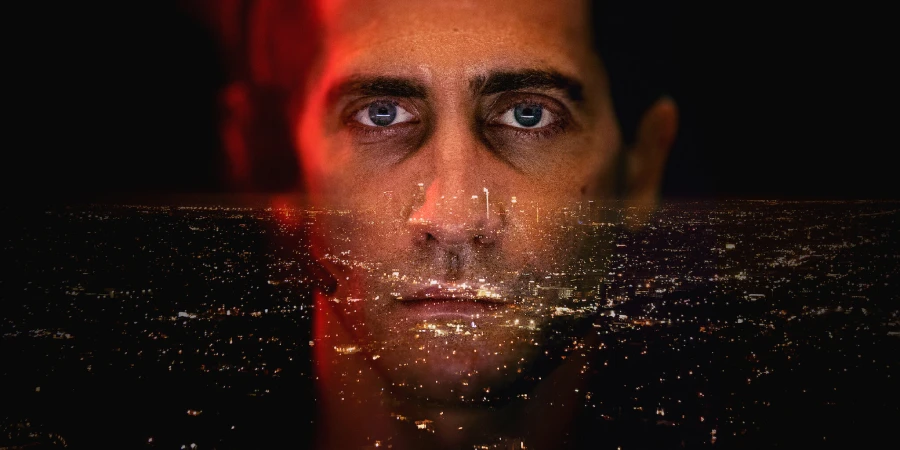

The Guilty (2021) is a tense, minimalist thriller that proves you don’t need explosions or exotic locations to keep an audience glued to the screen. Directed by Antoine Fuqua and starring Jake Gyllenhaal, the film unfolds almost entirely through phone calls, relying on performance, sound design, and moral ambiguity rather than spectacle.
Detailed Summary
A Confined World: The 911 Call Center
The story takes place over the course of a single morning inside a Los Angeles 911 emergency call center. Joe Baylor, a demoted police officer awaiting trial, works as an emergency dispatcher. From the very first scenes, we sense his short temper, frustration, and inner turmoil. The claustrophobic setting mirrors Joe’s mental state: trapped, impatient, and emotionally volatile.
The Call That Changes Everything
Joe receives a disturbing call from a woman named Emily, who pretends to talk casually while actually signaling that she has been abducted by her ex-husband, Henry. Joe quickly becomes emotionally invested, breaking protocol to focus almost exclusively on this case. He starts coordinating police units, tracking vehicles, and calling Emily’s relatives.
Assumptions and Escalation
As Joe digs deeper, he paints Henry as a violent kidnapper and abusive ex. Meanwhile, Joe’s own unresolved anger seeps into every decision. He ignores other emergencies and clashes with colleagues, convinced that he alone understands the situation. The tension escalates as new details emerge about Emily’s mental health and the couple’s children.
The Reality Beneath the Surface
Midway through the film, a crucial revelation flips the narrative: Emily was not abducted in the traditional sense. She had a severe psychotic episode and killed one of her children, leading Henry to take her away in desperation to get help. This moment forces Joe—and the audience—to confront how quickly judgment was passed based on partial information.

Movie Ending
In the final act, Joe speaks directly to Emily, who is now on the verge of suicide, consumed by guilt over her actions. Joe abandons his authoritative tone and finally speaks honestly, confessing his own crime: he killed a young man while on duty, not accidentally, but out of rage. This confession is the emotional core of the film.
Joe guides Emily through grounding techniques, encouraging her to breathe, focus on her surroundings, and stay alive until help arrives. She ultimately survives and is taken into psychiatric care.
After the call ends, Joe is left alone in the call center. He removes his headset and, in a quiet but powerful gesture, calls his lawyer and tells him he intends to plead guilty. The film ends without redemption fanfare—just acceptance, accountability, and silence. The ending emphasizes that truth does not erase damage, but it is the first step toward responsibility.
Are There Post-Credits Scenes?
No. The Guilty does not include any post-credits or mid-credits scenes. The story ends definitively with Joe’s decision, allowing the emotional weight to linger without distraction.
Type of Movie
The Guilty is a psychological thriller and crime drama that leans heavily on real-time storytelling, moral tension, and character study rather than action or traditional suspense set pieces.
Cast
- Jake Gyllenhaal as Joe Baylor
- Riley Keough as Emily Lighton (voice)
- Peter Sarsgaard as Henry Fisher (voice)
- Christina Vidal as Sgt. Denise Wade
- Ethan Hawke as Sgt. Bill Miller (voice)
- Paul Dano as Matthew Fontenot (voice)
Film Music and Composer
The score was composed by Marc Streitenfeld, who delivers an intentionally restrained soundtrack. Music is used sparingly, allowing breathing, silence, and ambient noise to amplify tension. The lack of musical guidance often leaves viewers emotionally exposed, mirroring Joe’s internal chaos.

Filming Locations
The film was shot primarily on soundstages in Los Angeles, with the 911 call center recreated in meticulous detail. This limited setting is essential: it forces the audience to imagine events solely through sound and dialogue, reinforcing the theme that perception is unreliable.
Awards and Nominations
While not a major awards-season powerhouse, The Guilty received praise for:
- Jake Gyllenhaal’s performance (critics’ circles and streaming-platform awards)
- Sound design and screenplay adaptation recognition in genre-focused festivals
Behind the Scenes Insights
- Jake Gyllenhaal also served as a producer and was instrumental in bringing the American remake to Netflix.
- The film is a remake of the Danish movie Den skyldige (2018), and the original director served as an executive producer.
- Many phone-call scenes were filmed in long, uninterrupted takes to preserve emotional intensity.
- Actors recording voice roles often performed live on set to maintain realism.
Inspirations and References
- Based on the Danish film The Guilty (2018), directed by Gustav Möller
- Inspired by theater-style storytelling, where dialogue and performance carry the narrative
- The film echoes themes from works like Locke and 12 Angry Men, focusing on confined spaces and moral debate
Alternate Endings and Deleted Scenes
No official alternate ending has been released. However, interviews suggest early drafts were more ambiguous about Joe’s final decision. The chosen ending was favored for its moral clarity and emotional closure, even though it avoids traditional catharsis.
Book Adaptations and Differences
The film is not based on a book. Compared to the Danish original, the 2021 version:
- Adds more explicit focus on Joe’s violent past
- Emphasizes American policing culture and systemic pressure
- Leans harder into emotional confession rather than ambiguity

Memorable Scenes and Quotes
Key Scenes
- Joe piecing together the “abduction” while ignoring other emergencies
- The revelation about Emily’s child, which recontextualizes the entire story
- Joe’s final confession to Emily during the suicide-prevention call
Iconic Quotes
- “You’re not the worst thing you’ve ever done.”
- “I thought I was helping. I wasn’t.”
Easter Eggs and Hidden Details
- Background calls subtly mirror Joe’s situation, hinting at cycles of violence and denial
- The radio chatter references Joe’s pending court case before it’s explicitly stated
- The constant use of red lighting in the call center reflects danger, guilt, and emotional overload
Trivia
- The film unfolds in almost real time
- Jake Gyllenhaal reportedly lost weight to better reflect Joe’s stress and insomnia
- The movie uses fewer than a dozen on-screen locations
Why Watch?
If you enjoy intense character studies, morally complex storytelling, and films that trust the audience’s intelligence, The Guilty is a gripping experience. It’s short, sharp, and emotionally unsettling in the best way.
Director’s Other Works
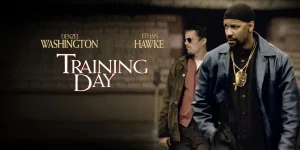
- Training Day (2001)
- Man on Fire (2004)
- Shooter (2007)
- End of Watch (2012)
- The Equalizer (2014)
- Southpaw (2015)
Recommended Films for Fans
- The Guilty (2018) – Danish original
- Locke (2013)
- Phone Booth (2002)
- Buried (2010)
- Nightcrawler (2014)