
Clint Eastwood’s Pale Rider (1985) is one of the most intriguing and spiritually ambiguous Westerns ever made. It blends classic frontier themes with mythic, almost supernatural undertones.
Detailed Summary
The Mining Camp Under Threat
The story begins in a struggling gold-mining camp run by humble prospectors. Their peaceful existence is shattered when Marshal Coy LaHood’s hired thugs ride in and brutally attack them, trying to force them off the land. The violence sets the tone and clearly establishes the power imbalance: LaHood controls the town, the law, and most dangerously, the guns.
The Arrival of “The Preacher”
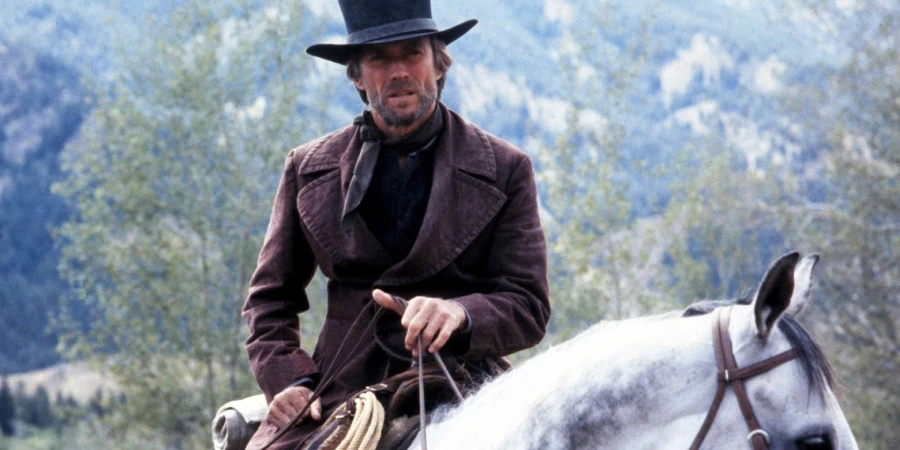
A mysterious rider—later known only as The Preacher—appears in the wilderness after young Megan prays for deliverance. He rides in like an omen, wearing a long coat and a preacher’s collar. The camp quickly learns he’s not an ordinary man: he’s calm, unnervingly skilled with weapons, and carries a silent aura of unfinished business.
Tensions Escalate
The Preacher begins helping the miners, protecting them from LaHood’s intimidation tactics. LaHood tries bribery, intimidation, and finally all-out violence. Meanwhile, both Megan and her mother Sarah feel drawn to the Preacher, creating emotional tension. He remains distant, as though he belongs to another world.
Enter Stockburn
LaHood escalates the conflict by calling in Marshal Stockburn and his six deputies, feared gunmen known for their merciless efficiency. Stockburn is stunned when the Preacher’s description matches that of a man he supposedly killed years ago. This moment is one of the film’s biggest hints at the Preacher’s possibly supernatural identity.

Movie Ending
The climax unfolds as Stockburn’s men arrive at the mining camp to eliminate the resistance once and for all. The Preacher returns to town and deliberately confronts the deputies one by one in a tense, methodical gunfight.
In the showdown:
- The Preacher eliminates Stockburn’s deputies with precise, almost eerie calm.
- When Stockburn finally faces him, he recognizes the Preacher with growing horror. The film strongly implies that the Preacher is either a resurrected man or a ghost seeking vengeance for his own murder.
- The Preacher kills Stockburn, completing what feels like a final, spiritual reckoning.
With the threat gone, the townsfolk celebrate their freedom, but the Preacher quietly prepares to leave. Megan begs him to stay, declaring her love. He refuses, knowing his path is not among the living—or at least not among the living for long.
The final shot shows the Preacher riding into the snowy mountains, fading into the distance, leaving his true nature deliberately unanswered. It is one of the most iconic endings in Western cinema, and its mystery is part of its power.
Are There Post-Credits Scenes?
No. Pale Rider does not feature any mid-credits or post-credits scenes.
Type of Movie
Pale Rider is a mythic Western drama blending classic frontier storytelling with subtle supernatural elements. It sits at the crossroads of revenge story and spiritual fable.
Cast
- Clint Eastwood – The Preacher
- Michael Moriarty – Hull Barret
- Carrie Snodgress – Sarah Wheeler
- Chris Penn – Josh LaHood
- Richard Dysart – Coy LaHood
- John Russell – Marshal Stockburn
- Sydney Penny – Megan Wheeler
Film Music and Composer
The score is composed by Lennie Niehaus, a frequent Eastwood collaborator. The music is restrained, atmospheric, and adds a haunting, almost spiritual aura to the Preacher’s presence.
Filming Locations
- Idaho, USA (Sawtooth National Forest & Boulder Mountains): The sweeping mountains and rugged wilderness underscore the film’s themes of isolation, struggle, and moral frontier justice.
- California (Sun Valley & Railtown 1897): Used for specific mining and town shots, grounding the story in classic Western aesthetics.
These real landscapes give the film an authentic frontier feeling that CGI could never replicate.
Awards and Nominations
- Nominated for the Palme d’Or at the 1985 Cannes Film Festival.
Though it didn’t win major awards, the film is widely praised for its direction, cinematography, and thematic depth.
Behind the Scenes Insights
- Eastwood intentionally kept the Preacher’s backstory vague, wanting him to feel half man, half myth.
- The film was heavily inspired by Eastwood’s love of classic Westerns, especially those with mysterious drifter archetypes.
- John Russell (Stockburn) was cast because of his intimidating presence and real-life cowboy background.
- Eastwood performed many of his own riding and action scenes to maintain realism.
- Much of the dialogue was cut during editing to enhance the Preacher’s mystique.
Inspirations and References
- Shane (1953): The most direct influence. Both films feature a lone rider helping a farming community and leaving at the end.
- Classic American frontier folklore: The idea of a ghost or avenging spirit riding into town echoes oral traditions of the American West.
- Biblical themes: The Preacher’s resurrection imagery and moral authority reflect Old Testament avenger archetypes.
Alternate Endings and Deleted Scenes
No alternate endings are known to exist, but early script drafts included:
- Additional dialogue between Stockburn and the Preacher hinting more explicitly at their past.
- A slightly extended farewell between the Preacher and Megan.
These were removed to preserve the film’s minimalist and mysterious tone.
Book Adaptations and Differences
Pale Rider is not based on a book, but a novelization of the movie was released after the film. It expands on the thoughts and motivations of some characters but provides no official clarification of the Preacher’s origin.

Memorable Scenes and Quotes
Key Scenes
- The miners’ camp raid that showcases LaHood’s brutality.
- The Preacher beating the thugs with an axe handle—a symbolic act of non-lethal but decisive justice.
- The Preacher’s return to town for the final showdown, filmed like a spirit walking to judgment.
- Stockburn’s moment of recognition: a silent but chilling acknowledgment of the Preacher’s true nature.
Iconic Quotes
- “There’s nothing like a good piece of hickory.”
- “You can’t hurt me. You can’t kill me.” (Implied through Stockburn’s terror-filled reaction.)
- “Preacher! Preacher!” – Megan’s emotional cry in the final scene.
Easter Eggs and Hidden Details
- The Preacher’s scars align with what would have been fatal gunshot wounds—subtle evidence of his past death.
- His pale clothing and ghostly silence mirror classic cinematic representations of spiritual figures.
- The film uses lighting to make the Preacher almost glow in certain scenes.
- Stockburn’s men are dressed similarly, hinting at a “death squad” from the Preacher’s past.
Trivia
- The title Pale Rider references Revelation 6:8: “And behold a pale horse: and his name that sat on him was Death…”
- This is Eastwood’s highest-grossing Western of the 1980s.
- The movie revitalized the Western genre at a time when it was considered commercially dead.
- Sydney Penny was only 13 during filming but received critical praise for her emotional performance.
Why Watch?
Because Pale Rider is one of the most atmospheric, morally complex, and haunting Westerns ever made.
It’s essential viewing for fans of Eastwood, lovers of mythic storytelling, and anyone who enjoys a Western with deeper layers beneath the gun smoke.
Director’s Other Works
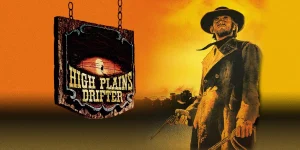
- High Plains Drifter (1973)
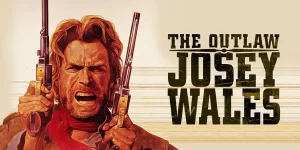
- The Outlaw Josey Wales (1976)
- Unforgiven (1992)
- The Gauntlet (1977)
- Bronco Billy (1980)